
Last updated November 2, 2026
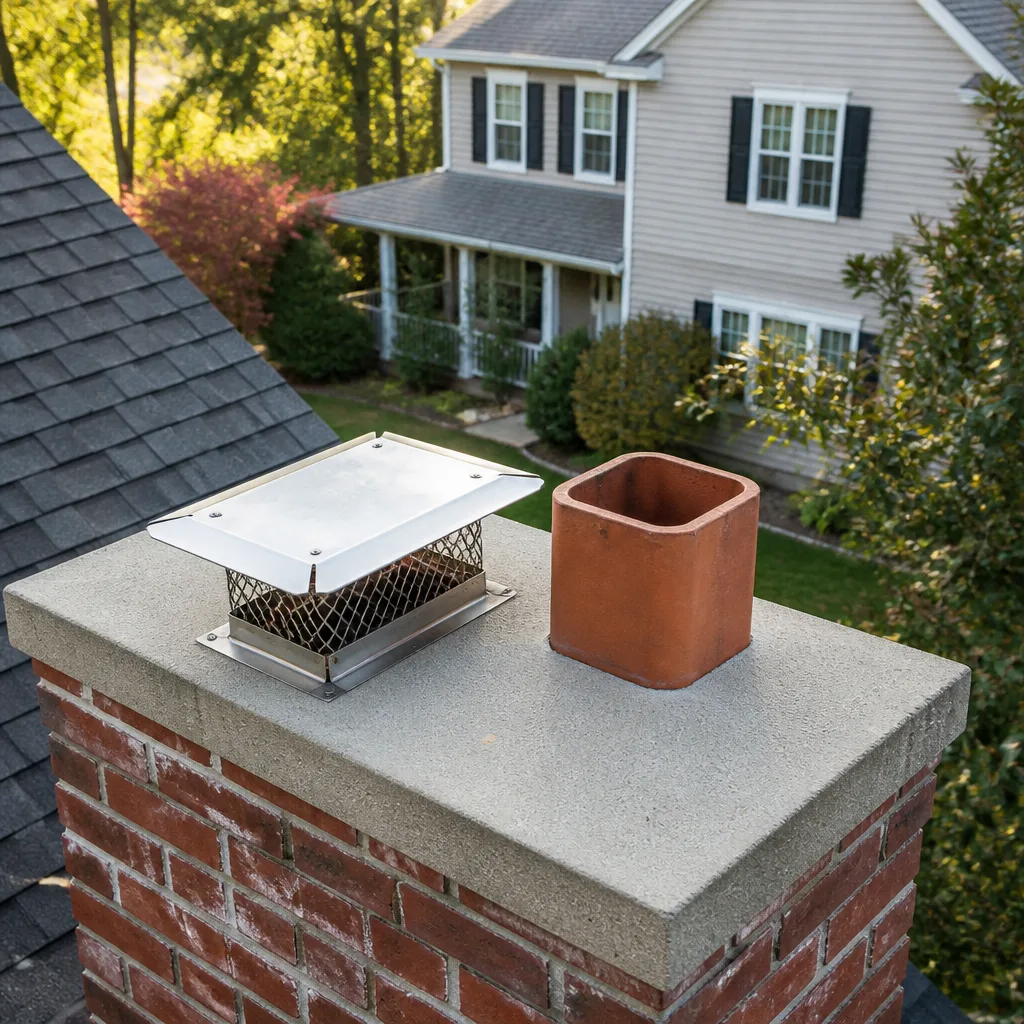 Sweep & inspection
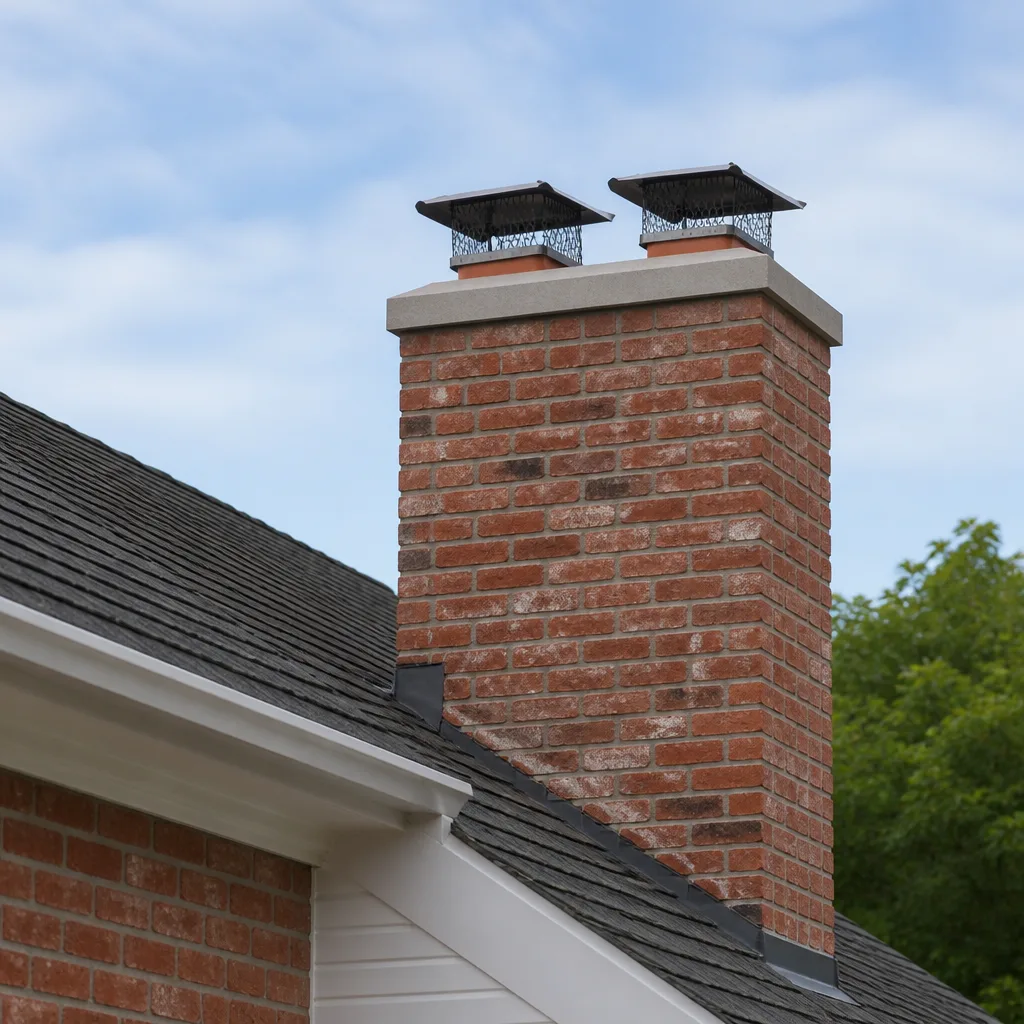 Caps & crowns
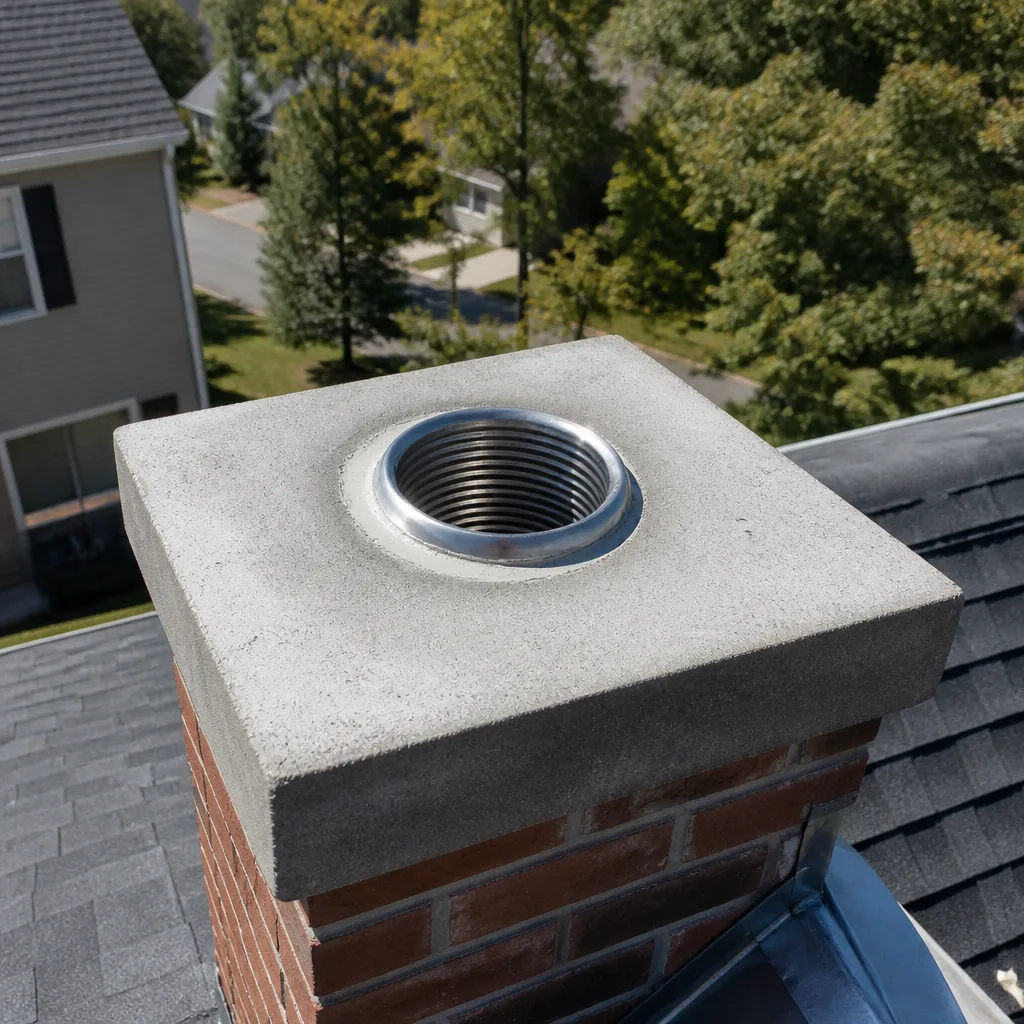 Flue relining
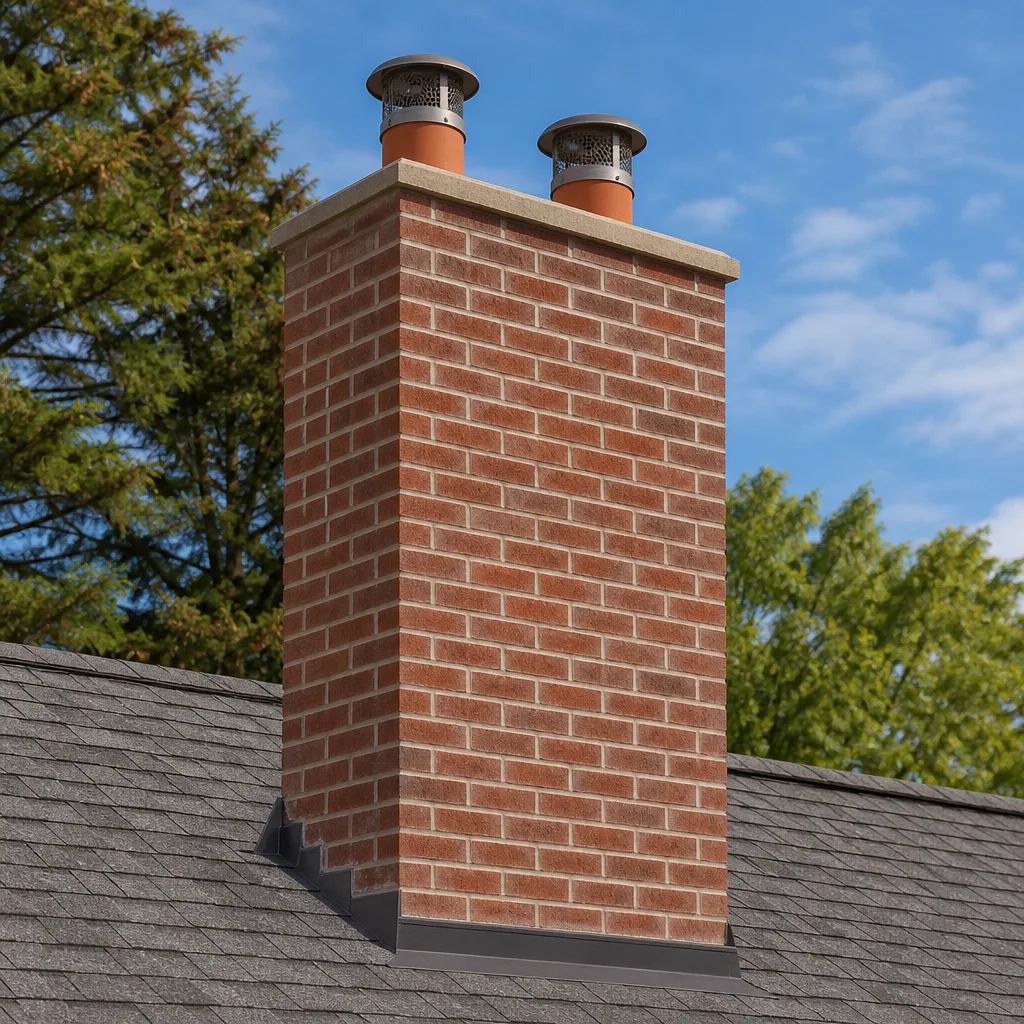 Masonry repair
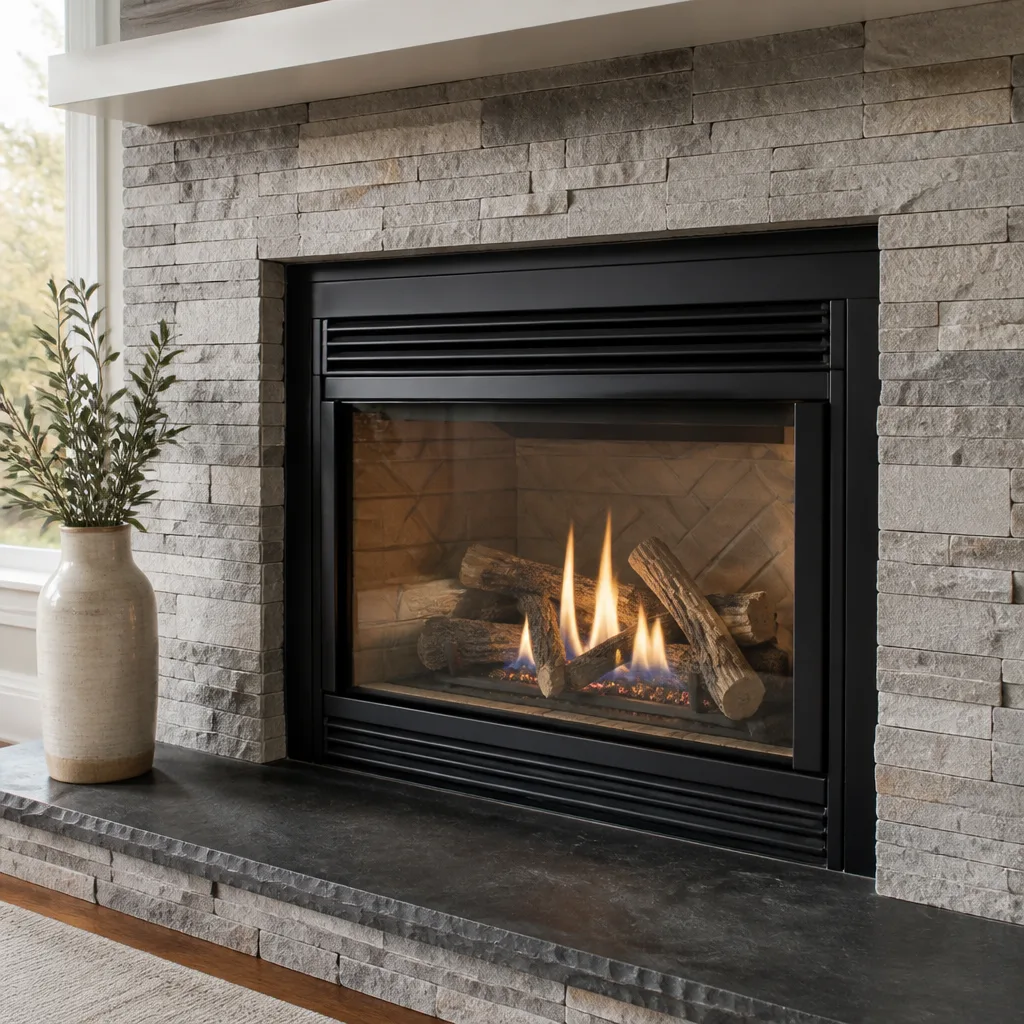 Gas fireplace service
Level 1 sweep and inspection to the NFPA 211 annual standard - flue, crown, cap, and flashing checked and photographed
Chimney sweep logs do not sweep chimneys. They loosen some creosote - which then falls where a brush and vacuum still have to collect it.
Choosing the Right Chimney Cleaning Brand: A Buyer’s Guide for Baldwin Hills
Most homeowners never think to ask what’s in the bucket a chimney sweep brings inside. That’s a mistake. The material used to reline a smoke chamber or seal a cracked firebox joint determines whether that repair holds at 1,400°F operating temperature or fails silently on the second burn. In Baldwin Hills, where mid-century homes often have original masonry chimneys that have been through decades of thermal cycling, the product on the truck matters as much as the person holding the trowel. This guide explains the specific product lines professional sweep contractors use, why they outperform what’s on the shelf at the hardware store, and how to verify you’re actually getting them.
Quick Answer
The right chimney cleaning products for a Baldwin Hills home are professional-grade refractory materials and certified system components from manufacturers like Rutland, HeatShield, ChimneySaver, Lyemance, and Gelco, not the consumer-grade substitutes sold at big-box stores. A reputable chimney contractor should be able to name the specific products they use and explain why each one is rated for your chimney’s operating temperature. The brand matters because the wrong material fails within one or two seasons, while the right one can last a decade or more.
Styles & brands we work with
- Sweep & inspection
- Caps & crowns
- Flue relining
- Masonry repair
- Gas fireplace service
Table of Contents
- Why the Brand on the Bucket Actually Matters
- The Product Categories: What’s on a Professional Sweep Truck
- Why Hardware Store Products Underperform on Chimneys
- How to Verify Your Sweep Is Using Rated Products
- The Right Product for Each Repair: A Baldwin Hills Reference
- Why Brand Selection Affects Your Warranty
- What Baldwin Hills Homeowners Specifically Need to Know
- Questions to Ask Before You Book
Why the Brand on the Bucket Actually Matters
Chimney repair is a materials problem before it’s a labor problem. The inside of a working chimney experiences temperature swings that would destroy ordinary construction materials. A firebox can go from ambient to 800°F in minutes, and the gases moving through the flue carry acids that eat away at unprotected mortar and clay. The products used to clean, seal, and restore those surfaces have to be engineered for that environment.
Here’s what that means in practice. When a chimney company opens a bucket of refractory cement to parge a smoke chamber, that material has to expand and contract at roughly the same rate as the surrounding brick and mortar. If it doesn’t, it cracks at the bond line within a season or two. A homeowner can’t see this happening. The chimney still looks fine from the outside. But the gases that escape through those micro-cracks are the ones that cause carbon monoxide entry into living spaces.
In our service area around Baldwin Hills, we see the same pattern year after year. Older chimneys built in the 1940s through 1960s have clay tile liners that are starting to spall, smoke chambers with original parging that’s crumbling, and crowns that were never built with proper overhang or a drip edge. The difference between a repair that holds and one that doesn’t comes down to whether the contractor used a product rated for the actual conditions inside that chimney.
This isn’t a subtle distinction. The products professional sweeps use from a brand like Olympia Chimney or Famco are specified for residential chimney service by manufacturers who test their materials to standards like ASTM E136, which tests for non-combustibility at high temperatures. The generic fire caulk at a home center isn’t held to that same standard. It might work for sealing a gap around a furnace pipe, but it’s not designed for the direct flame exposure and thermal cycling of a chimney system.
The guide below walks through the specific product categories, explains the technical distinction, and gives you the questions to ask so you know exactly what’s going into your chimney before the work starts. This is the Chimney Sweep Baldwin Hills home approach: name the products, explain the function, and let the materials do the talking.
The Product Categories: What’s on a Professional Sweep Truck
A sweep-only company shows up with brushes and a vacuum. A company that can actually repair what it finds shows up with a lot more. Here are the categories that matter and the brands worth knowing.
Refractory Cement and Mortar
Refractory cement is the workhorse material for firebox repair, smoke chamber parging, and mortar joint repair. The brands that show up on professional trucks include Rutland and Sairset, both of which make products rated for direct high-heat exposure. Rutland’s refractory cement is rated to 2,000°F and is designed specifically for fireplace and chimney repair, not general masonry. That distinction matters. Standard Portland cement breaks down at temperatures well below what a working firebox reaches on a cold Baldwin Hills evening.
Flue Sealant and Resurfacing Systems
This is the most advanced category, and it’s where the real gap between companies shows. HeatShield is a ceramic flue sealant system that can restore a deteriorating clay liner without a full teardown and rebuild. It’s applied as a specialized coating that bonds to the existing clay tile and creates a new, continuous ceramic surface. The equipment and training required to apply it correctly are significant, which is why only a fraction of chimney companies offer it. The product comes as a system: a primer coat and top coat, applied through an inflatable form, then heat-cured. The result is a smoother, more insulated flue with improved draft characteristics.
Water Repellents
Chimney masonry is porous, and water is the enemy of brick and mortar in any climate, but especially in an area like Baldwin Hills where the marine layer brings moisture and the summer sun bakes it back out. ChimneySaver makes penetrating water repellents specifically formulated for chimney masonry. The key distinction: a proper chimney water repellent is vapor-permeable, meaning it lets moisture escape from inside the brick while preventing water intrusion from outside. Sealers sold for driveways or basement walls are film-forming, which traps water inside the chimney and causes accelerated spalling. A lot of homeowners pay for “waterproofing” and end up with a product that’s actively damaging their chimney.
Damper Systems
Throat dampers are the cast-iron flaps that sit above the firebox, and most original dampers in older Baldwin Hills homes are rusted, warped, or missing their seal. Replacement options include traditional cast-iron dampers from manufacturers like Lyemance or top-mount dampers from Lock-Top, which seal at the flue termination instead of the throat. Top-mount dampers offer a better seal, which reduces heat loss in winter and keeps out rain, debris, and animals in summer. The product choice here is about understanding the specific problem: a warped throat damper in a masonry chimney often warrants a top-mount replacement instead of a like-for-like swap.
Chimney Caps and Terminations
The cap at the top of the flue is the first line of defense against water, animals, and spark escape. Brands like Gelco and Copperfield make galvanized, stainless, and copper caps in multiple sizes for different flue configurations. The important thing to check is material grade and sizing. A cap that’s too small or made from a thin-gauge metal will rust through or blow off within a few years, leaving the flue exposed. A properly sized cap from a manufacturer like Copperfield is fabricated from adequate gauge steel and built to match the specific flue dimensions of your chimney, not just whatever was on sale at the home center.
These are the product categories that matter for a functioning chimney. The point isn’t brand loyalty for its own sake. It’s that each of these categories has performance characteristics tied directly to the safety of the system, and the quality of the material is what you’re actually paying for.
Why Hardware Store Products Underperform on Chimneys
The technical reason consumer-grade products fail on chimney applications comes down to thermal expansion cycling and combustibility standards. Here’s what that actually means.
Thermal expansion cycling. Every material expands when heated and contracts when cooled. Brick, mortar, clay tile, and cast iron all expand at different rates. When a chimney heats up, those differences create stress at every bond line and joint. A product designed for chimney use is formulated so its expansion coefficient is close enough to the surrounding materials that the stress doesn’t cause failure. A general-purpose construction adhesive or household caulk has an expansion coefficient that might be three to five times further from the surrounding material. It works once, maybe twice, and then the bond line fractures. The repair fails in a place the homeowner can’t see.
ASTM E136 compliance. This is the standard for non-combustibility, and it’s the technical benchmark in the chimney industry. The test exposes a material to a furnace at 750°C (about 1,382°F) and measures whether it combusts or contributes to flame spread. Products specified for chimney repair, like the refractory cements and flue sealants from professional manufacturers, are tested to ASTM E136 or equivalent standards. Consumer products sold for general fireplace use may not be. The label might say “fire-rated” or “high heat,” but without the ASTM E136 designation, there’s no independent verification that the material behaves the way you need it to inside a working chimney.
Formulation for acidic flue gases. The byproducts of combustion include acids that condense on flue walls, especially in the upper third of the chimney where temperatures drop below the dew point. Professional chimney repair products are formulated to resist that chemical attack. Hardware store substitutes are not. A tube of general silicone or a bucket of basic mason mix will degrade in the presence of flue gas condensate, which again means the repair lasts a season instead of a decade.
The practical takeaway for a homeowner is simple: the $12 tube of caulk or the $8 bag of mortar might save money at purchase, but it costs more in the long run because the repair fails sooner and often fails in a way that creates a larger problem than the original issue. When a small crown crack expands because the wrong fill material couldn’t withstand winter moisture and summer heat, the repair cost balloons from a simple CrownCoat application to a full crown rebuild.
This is the distinction we see in Baldwin Hills again and again. A homeowner had a “chimney repair” done two years ago with a product that wasn’t rated for the application, and now they’re calling us to fix the fix. Starting with the right product the first time is cheaper than paying twice. For a deeper look at how we handle repairs in the area, see our Chimney Repair in Baldwin Hills page.
How to Verify Your Sweep Is Using Rated Products
You can ask a chimney company what products they use, and you should. But the more useful verification is the product data sheet and the manufacturer certification. Here’s a step-by-step process for confirming you’re getting what you’re paying for.
- Ask for the product name before you book. Any reputable chimney contractor should be able to tell you the exact product they’ll use for your repair. “Refractory cement” is a category, not a product. You want to hear a name like Rutland, Sairset, HeatShield, or ChimneySaver. If the answer is vague or they can’t name a specific product, that’s a signal they’re using whatever’s cheapest at the supply house that week.
- Request the product data sheet or technical datasheet. Every legitimate chimney product has documentation from the manufacturer that lists the temperature rating, the ASTM standards it’s tested to, and the recommended applications. The contractor should have this available for any product they’re actively using. If they can’t produce it or don’t know what you’re asking for, treat that as a red flag.
- Check manufacturer certification on HeatShield work. HeatShield requires installers to complete manufacturer training and certification before they’re authorized to purchase the product system. In our experience, not every company that claims to offer flue resurfacing actually has an active certification. Ask directly: “Are you a certified HeatShield installer, and can I see your certification?” A legitimate contractor will show it to you without hesitation.
- Ask how the product is specified for your specific chimney. The same product can be right for one application and wrong for another. A professional should be able to explain why a given material is the right choice for your smoke chamber, crown, or firebox, referencing the specific conditions of your chimney, not just reciting a sales pitch.
The Right Product for Each Repair: A Baldwin Hills Reference
Here’s a quick reference for the specific products appropriate to each common chimney repair, using the conditions we see most often in Baldwin Hills homes.
- Smoke chamber parging: HeatShield Cerfractory or Sairset. Both are rated for the high-heat, direct-flame environment of the smoke chamber. Cerfractory is a ceramic-based material designed to bond to the existing masonry and create a smooth, insulated surface that improves draft. Sairset is a refractory mortar used for the same application with a different formulation. What you should never see is ordinary mortar mix or a bagged “fireplace repair” product with no temperature rating on the label.
- Damper sealing and repair: If the existing cast-iron damper is warped but salvageable, a furnace cement or Fireplace Sealer product can fill small gaps. If the damper is beyond repair, the better long-term fix is a top-mount damper from Lyemance or Lock-Top. A top-mount damper seals at the flue termination with a silicone gasket, which eliminates the draft loss and water entry issues that throat dampers are prone to. In homes with updraft problems, a top-mount damper often solves the problem better than any other single change.
- Crown repair: CrownCoat or a similar elastomeric crown sealer for hairline cracks, applied after the existing crown is cleaned and prepped. For larger cracks or missing sections, a Portland-based mortar with a bonding agent can rebuild the crown, but the finished surface should still be coated with a water-resistant sealer. What not to use: hydraulic cement, which expands as it cures and can crack the crown it’s meant to repair. Hydraulic cement is for stopping active water flow in basements, not for chimney crowns.
- Firebox repair: Refractory cement from Rutland or a similar professional product, rated for direct flame exposure. The firebox is the hottest part of the system during operation, and any repair material here has to handle temperatures above 1,500°F. Regular mortar fails in this environment. The product should be specifically described as a refractory cement, not a general-purpose mortar or a construction adhesive.
- Flue resurfacing: HeatShield is the main system for this application. It’s used when a clay tile liner is cracked, spalled, or otherwise compromised but the surrounding masonry is structurally sound. HeatShield is applied through an inflatable form that creates a smooth, continuous ceramic surface inside the existing flue, restoring the flow path without a teardown. The alternative is a full liner replacement with a flexible system, which is an option we can also provide through our relationships with Chimney Sweep in Baldwin Hills product lines like DuraFlex.
The important pattern here: every repair has a right product and a wrong product, and the wrong product is almost always something that’s cheaper at purchase and more expensive over time. The product selection should be based on the specific conditions of your chimney, not on what’s available at the nearest home center.
Why Brand Selection Affects Your Warranty
Here’s a point most homeowners never consider: choosing a brand-name chimney product often determines whether you have any warranty protection at all.
HeatShield is the clearest example. The manufacturer’s warranty on the HeatShield flue sealant system is only valid when the product is installed by a certified HeatShield contractor. If an uncertified company somehow obtained the product and applied it, the manufacturer provides no warranty coverage for the installation. For a homeowner, that means any future failure is entirely out of pocket. The certification requirement is there for a reason, and it protects the homeowner as much as the manufacturer.
Other products have similar conditions, though typically less formal. Rutland and ChimneySaver products carry manufacturer warranties that require the product to be used in accordance with the published specifications and guidelines. If the product is applied incorrectly or in the wrong application, the warranty is void. The practical takeaway: a contractor who uses the right product but applies it incorrectly is just as bad as one who uses the wrong product. The workmanship warranty they offer should cover the installation, and the manufacturer’s warranty should cover the product. You want both.
Here’s what to ask about warranty coverage before you book a repair:
- What’s your workmanship warranty, and what does it cover? A professional chimney contractor should stand behind their installation with a clear, written workmanship warranty. Get it in writing before the work starts.
- What’s the manufacturer’s warranty on the product, and is it valid for this installation? The contractor should be able to tell you the manufacturer’s warranty terms and confirm that the installation meets the conditions for that warranty to apply.
- Are you certified by the manufacturer to install this product? This is particularly important for HeatShield. If the answer is yes, they should be able to show you the certification.
In our own work, we use HeatShield for flue resurfacing specifically because the system has this certification structure, and because the product is designed to be applied by trained technicians, not off-the-shelf. The material and the application method are part of the same quality control system.
What Baldwin Hills Homeowners Specifically Need to Know
Baldwin Hills has a specific housing stock and a specific climate, and both affect chimney product selection in ways you won’t read about in a generic chimney blog.
The housing stock matters because most of the single-family homes in Baldwin Hills were built between the late 1930s and the early 1970s. These homes have masonry chimneys with clay tile liners, a building method that was standard for the era but has known failure modes after 50 to 80 years of use. The clay tiles crack from thermal stress, the mortar joints between them erode, and the smoke chamber parging degrades. The good news is that these are repairable problems if they’re addressed with the right materials. A HeatShield resurfacing can bring a cracked clay liner back to serviceable condition without a full rebuild, which is a significantly smaller project in both cost and disruption.
The climate matters because Baldwin Hills experiences temperature swings and moisture cycles that stress chimney masonry. The marine layer brings moisture-laden air in the morning, the afternoon sun bakes the exterior surfaces dry, and the cycle repeats daily for most of the year. This is exactly the condition that accelerates spalling in brick and cracking in crowns, and it’s why a vapor-permeable water repellent like ChimneySaver is the right choice for chimney masonry in this area. A film-forming sealer traps the moisture that’s already in the brick, and the expansion and contraction from the daily temperature swings breaks the sealer and the brick together.
There’s also a practical point about service consolidation. Chimney maintenance and dryer vent cleaning are both fire-safety services that require similar equipment and a similar inspection process. A homeowner who schedules both with one company gets a more efficient visit and a single point of contact for any follow-up work. We offer Dryer Vent Cleaning in Baldwin Hills as a standalone service specifically because the same fire-safety logic applies to both systems. Lint buildup in a dryer vent is a leading cause of residential appliance fires, and the inspection process is similar to a chimney inspection: camera down the line, identify the blockage, clean it out, confirm the fix. One call covers it.
Questions to Ask Before You Book
Here’s a specific list of questions to ask any chimney contractor before you agree to a repair. These are the questions a knowledgeable homeowner asks, and the answers tell you a lot about who you’re dealing with.
- What specific products do you use for this repair, and why those products? Listen for actual names like Rutland, HeatShield, ChimneySaver, or Sairset. A contractor who can explain the product choice is a contractor who understands the materials.
- Are the products rated for the temperature and conditions inside my chimney? The answer should reference specific ratings and standards, not vague reassurances.
- Can I see the product data sheets for the materials you’re recommending? A professional contractor has these on file and will show them without hesitation.
- Are you a certified installer for the products that require certification? Again, this matters most for HeatShield. The answer should be immediate and verifiable.
- What’s the workmanship warranty, and what’s covered by the manufacturer’s warranty? Both should be in writing, and the contractor should be able to explain the distinction.
- How do you determine what’s needed – do you use a camera inspection? Any professional chimney company should be using a camera inspection to assess the condition of the flue liner before recommending a repair. A visual inspection from the firebox opening can’t see the upper two-thirds of the flue, and that’s where most liner failures occur.
Every one of these questions has a right answer, and the wrong answer is easy to recognize. A contractor who can’t or won’t answer these questions directly is telling you something important about how they operate.
Common Mistakes to Avoid
- Buying the cheapest product for the job. The $8 tube of caulk is cheap for a reason. It’s not formulated for chimney conditions, and it fails in a way that creates a larger problem. The repair costs more when you have to do it twice.
- Assuming “fire-rated” means “chimney-rated.” These are different standards. A product can be fire-rated for general building applications and still fail in the direct heat and thermal cycling environment of a working chimney. Look for chimney-specific products with the ASTM E136 designation.
- Using hydraulic cement on a chimney crown. This is one of the most common mistakes we see in Baldwin Hills. Hydraulic cement expands as it cures, which is fine for stopping active leaks in a basement but destructive on a chimney crown, where expansion cracks the very material it was meant to repair.
- Skipping the camera inspection. You can’t see a cracked flue liner from the firebox, and you can’t see the upper third of the flue from the roof. Without a camera inspection, any repair recommendation is a guess. A company that doesn’t do camera inspections isn’t doing the work a professional should do.
- Applying a film-forming sealer to chimney brick. This traps moisture inside the masonry and accelerates spalling. The right product is a vapor-permeable water repellent, which lets moisture escape while keeping new water out.
- Replacing a damper without checking the flue condition. A new damper on a chimney with a cracked liner is a band-aid. The inspection should assess the full system before any component replacement is recommended.
- Accepting a vague product description. “Professional-grade materials” doesn’t mean anything by itself. “HeatShield Cerfractory for smoke chamber parging” means something specific. Ask for the product names.
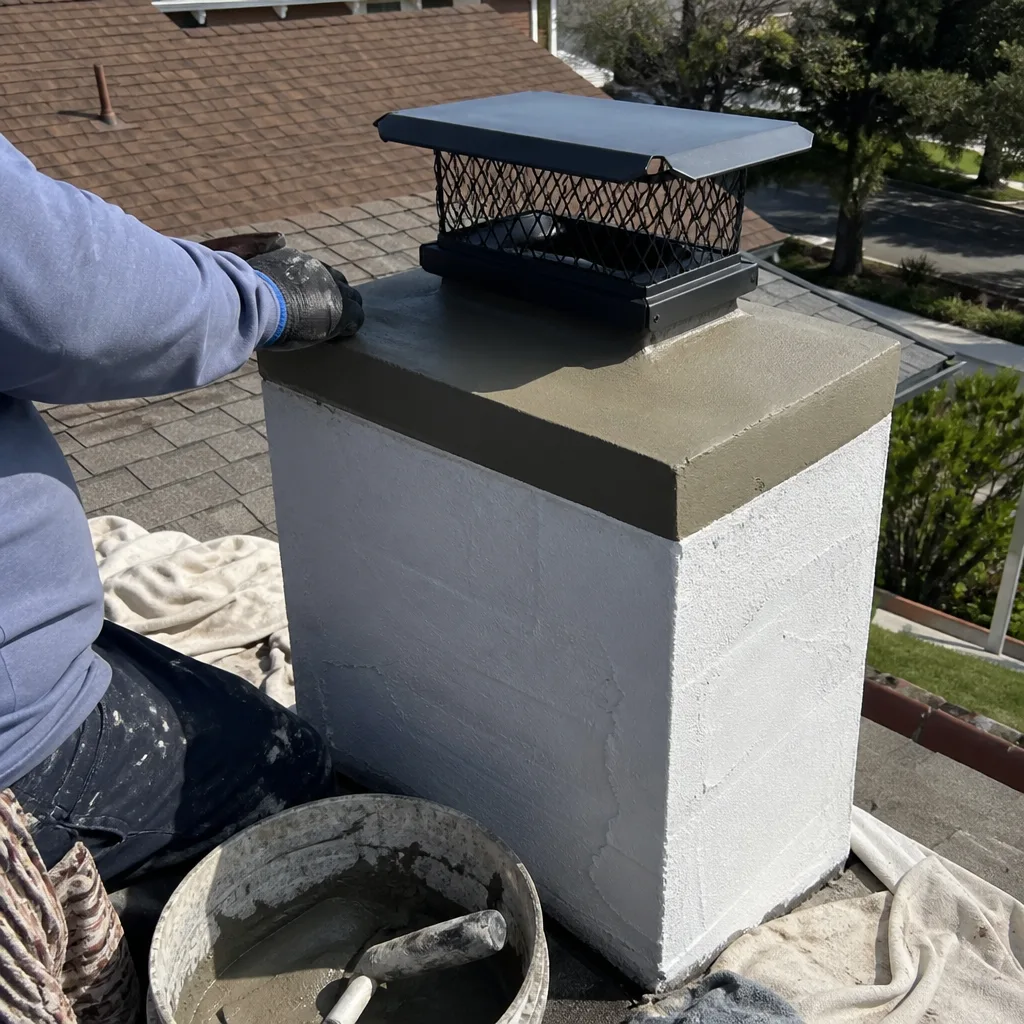
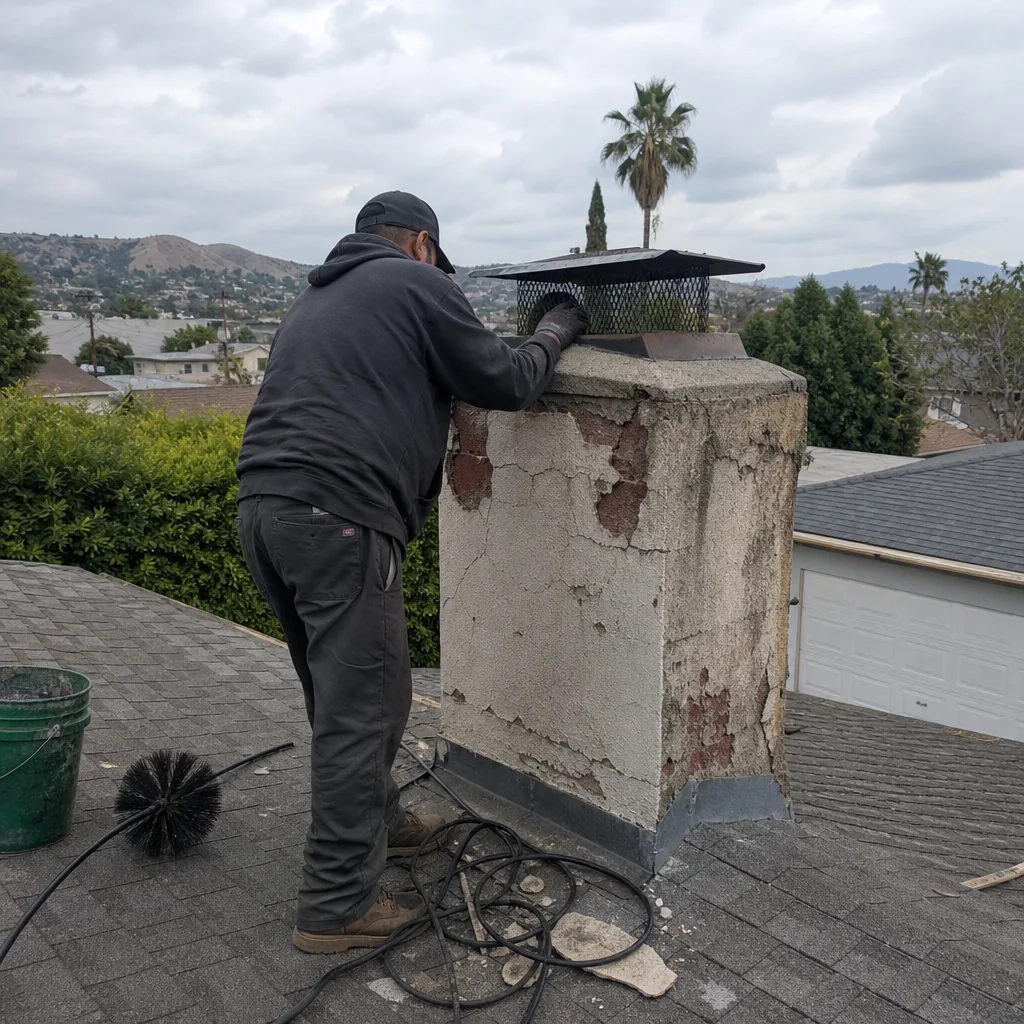
See the difference
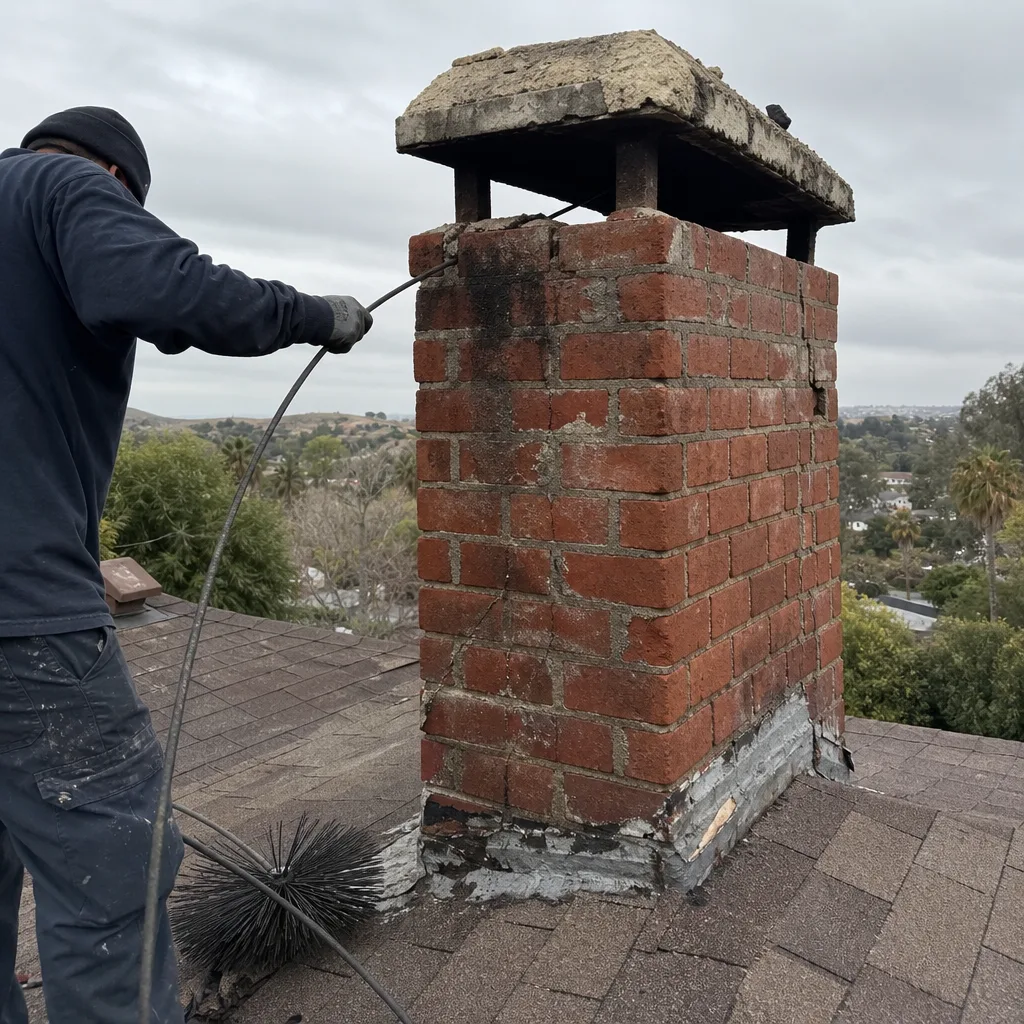 Before
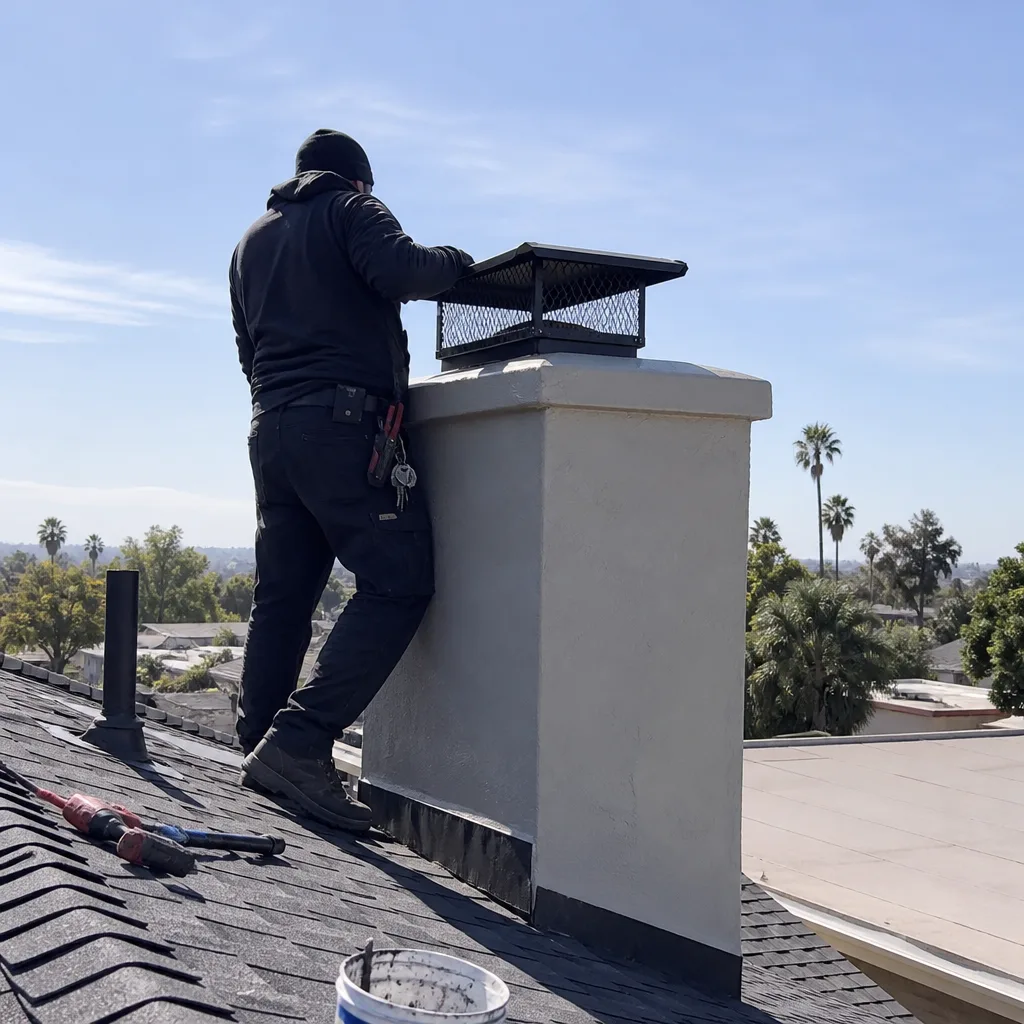 After
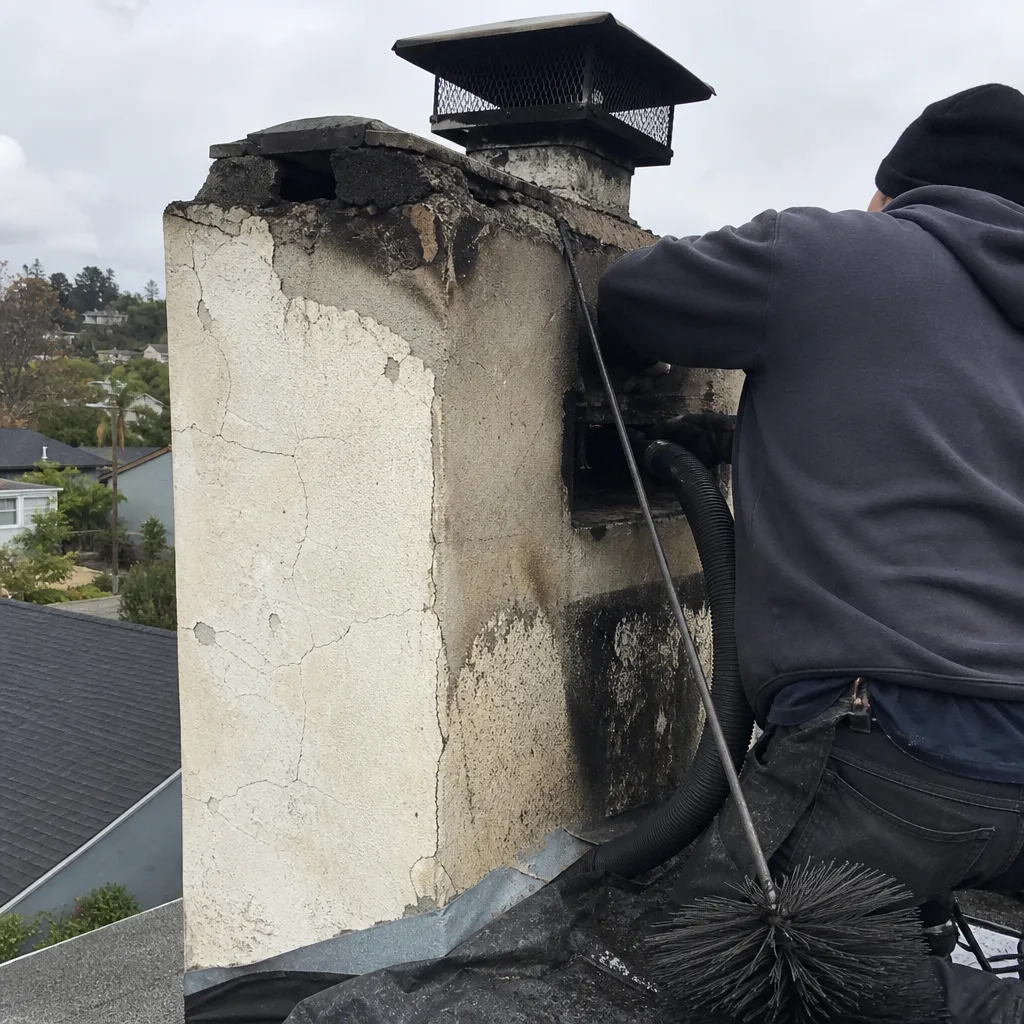 Before
 After
 Before
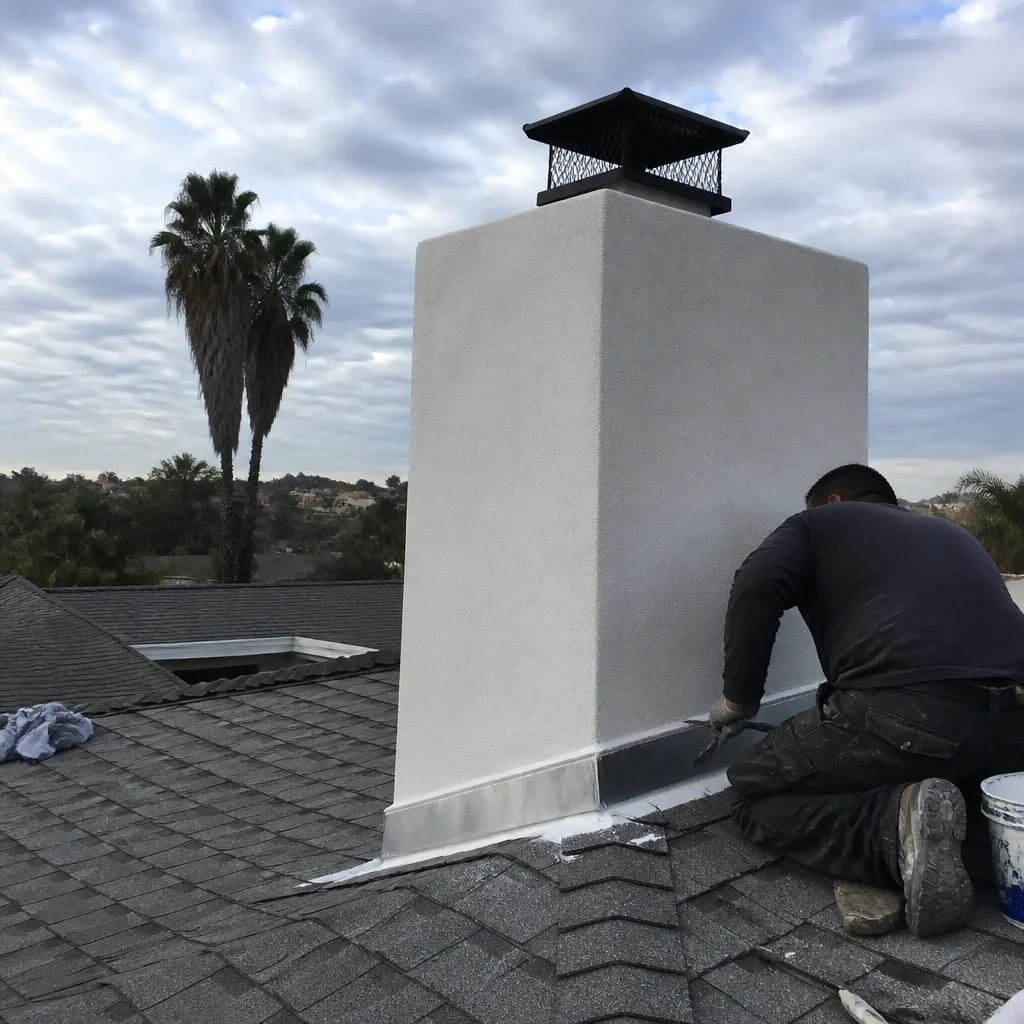 After
When to Call a Professional
Here’s the honest truth: anything involving the inside of a chimney is a professional job. The flue is the part you can’t see, and it’s the part where a failure means carbon monoxide or a chimney fire. If you notice any of the following, call a professional: white staining on the exterior brick (efflorescence, which means water is moving through the masonry), crumbling mortar joints, a smoky smell in the house when the fireplace isn’t in use, or visible cracks in the firebox. These are signs that your chimney needs assessment, and the right contractor will use a camera inspection and specific product recommendations to tell you exactly what’s needed. Chimney Sweep in Baldwin Hills offers free estimates in Baldwin Hills – call (877) 752-4855.
Frequently Asked Questions
Chimney cleaning products are formulated for the specific deposits and conditions inside a flue, including creosote, soot, and acidic residues. Professional chimney sweeps use specialized brushes, chemical treatments, and vacuums with HEPA filtration that are designed for the high-temperature, high-particle environment of a chimney. Regular household cleaning supplies aren’t rated for chimney use and won’t address the actual deposits that accumulate in a flue.
The price varies based on the condition of the chimney, the level of inspection required, and whether any repairs are identified during the process. We’ve found that most Baldwin Hills homeowners pay a rate that’s competitive with the broader Los Angeles market for a standard sweep and inspection, with additional work quoted separately after the camera inspection shows what’s actually needed. Call (877) 752-4855 for an exact quote – estimates are free.
That depends on what the camera inspection shows. If the clay liner is cracked, spalled, or missing sections, cleaning alone won’t address the problem. HeatShield is a resurfacing system that restores the liner to a smooth, continuous surface, and it’s appropriate when the liner damage is moderate and the surrounding masonry is structurally sound. A professional contractor should show you the camera footage so you can see the condition of the liner for yourself before making a decision.
The National Fire Protection Association standard is to have the chimney inspected at least once a year, and swept when the inspection shows a creosote buildup of 1/8 inch or more. For a fireplace that’s used regularly during the winter months, a sweep every year or two is typical in Baldwin Hills. The exact frequency depends on how often you burn, what you burn, and the condition of your flue. Schedule an inspection and the sweep recommendation follows from what the camera shows.
Creosote accumulates inside the flue with every fire, and creosote is flammable. If the buildup reaches a point where it ignites, the result is a chimney fire that can reach temperatures above 2,000°F, hot enough to crack the clay liner and potentially spread to the surrounding structure. Even without a chimney fire, a blocked or restricted flue can push carbon monoxide back into the house. The sweep is the prevention step that keeps both of these failure modes from developing. Call (877) 752-4855 to schedule an inspection and sweep.
Yes, and it’s the most efficient way to handle both. We offer Dryer Vent Cleaning in Baldwin Hills alongside our chimney sweep service, which means one appointment covers both fire-safety systems in your home. The same camera inspection and cleaning process applies to both, and consolidating the visits saves time and often money compared to scheduling them separately.
The Bottom Line
The products on a chimney sweep’s truck tell you more about the company than any marketing copy ever will. A contractor who uses Rutland refractory cement, HeatShield flue sealant, ChimneySaver water repellent, and Lyemance or Lock-Top dampers is a contractor who’s invested in materials that work. A contractor who shows up with a bucket of no-name mortar and a hardware-store caulk gun is telling you they’re cutting corners. In Baldwin Hills, where the housing stock is old enough that chimney repairs are a matter of when rather than if, the brand on the bucket matters. Ask for the product names. Ask for the data sheets. And if the contractor can’t answer, find one who can. Call (877) 752-4855 for a free estimate, and we’ll walk you through the products we use and why they’re the right choice for your chimney.
Written by the team at Chimney Sweep Baldwin Hills, serving Baldwin Hills since 2015.