
Last updated November 2, 2026
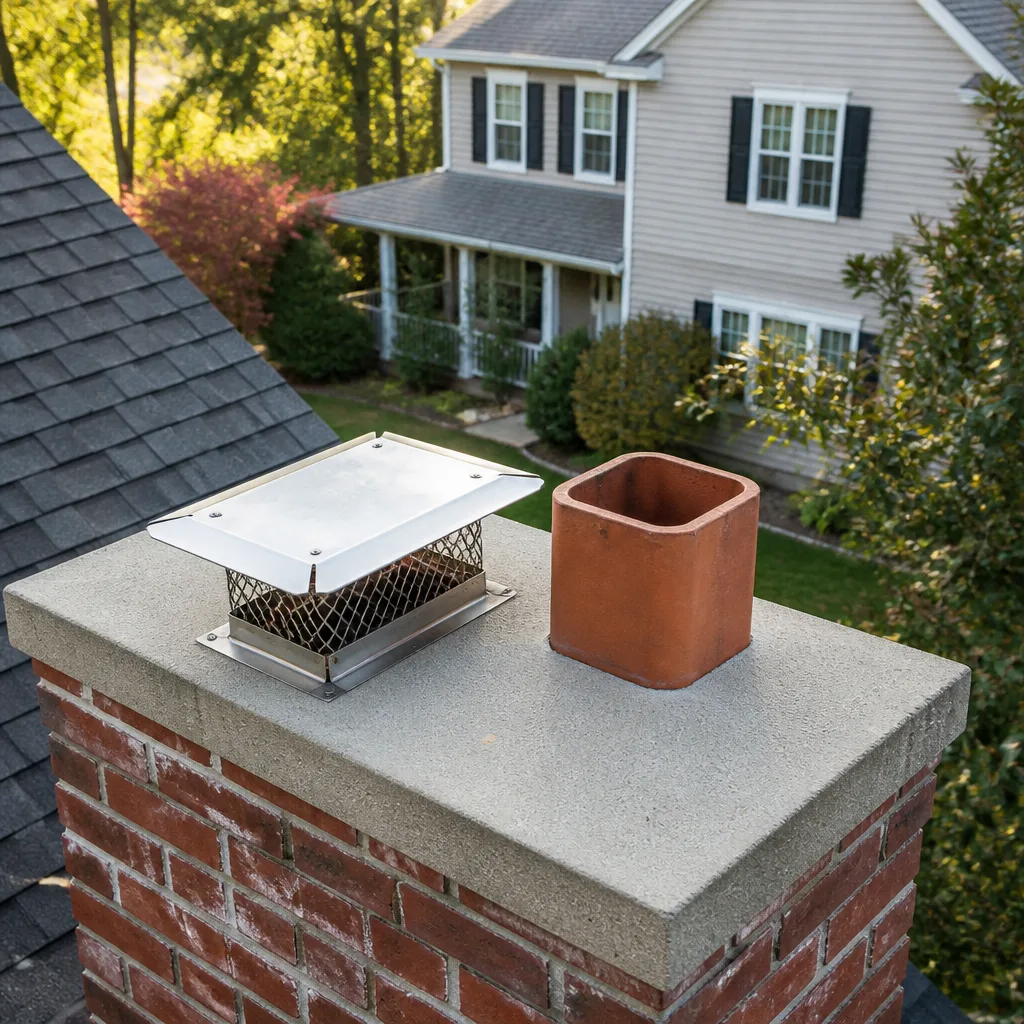 Sweep & inspection
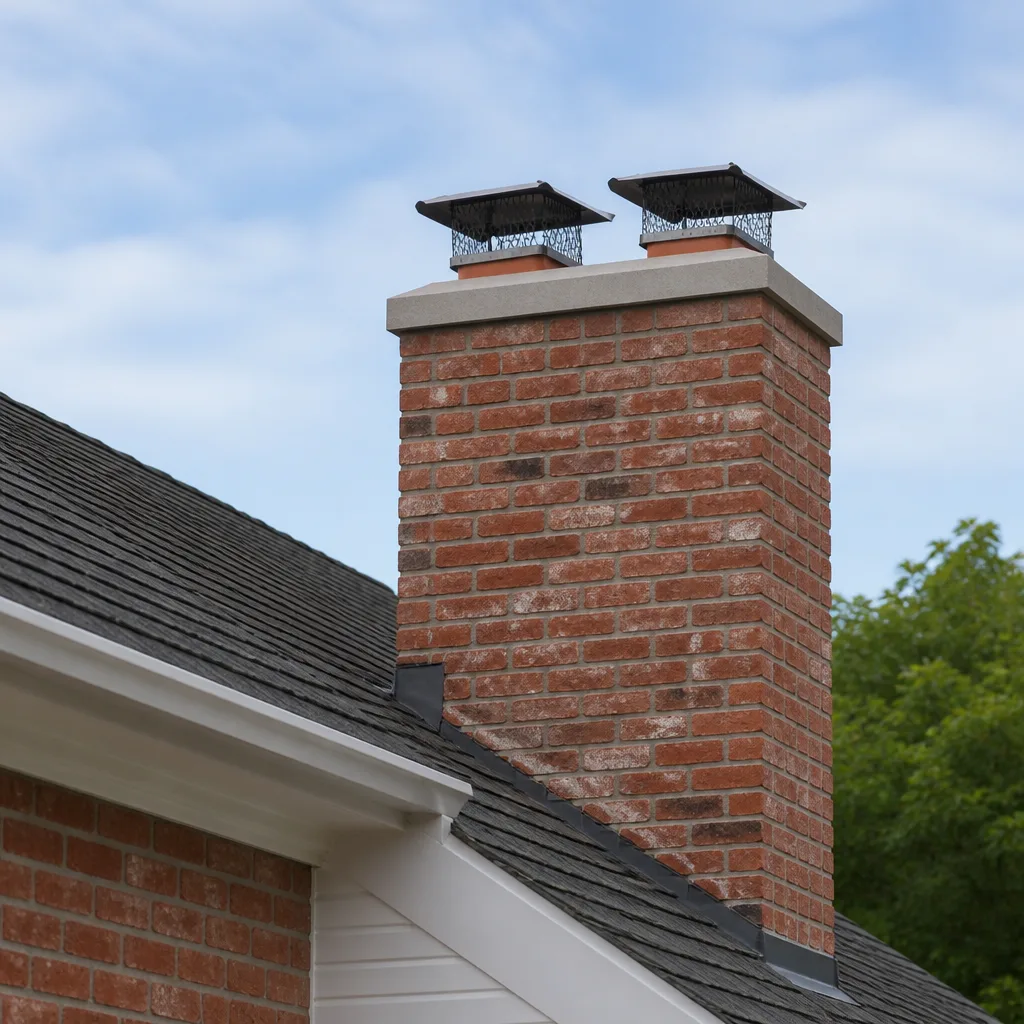 Caps & crowns
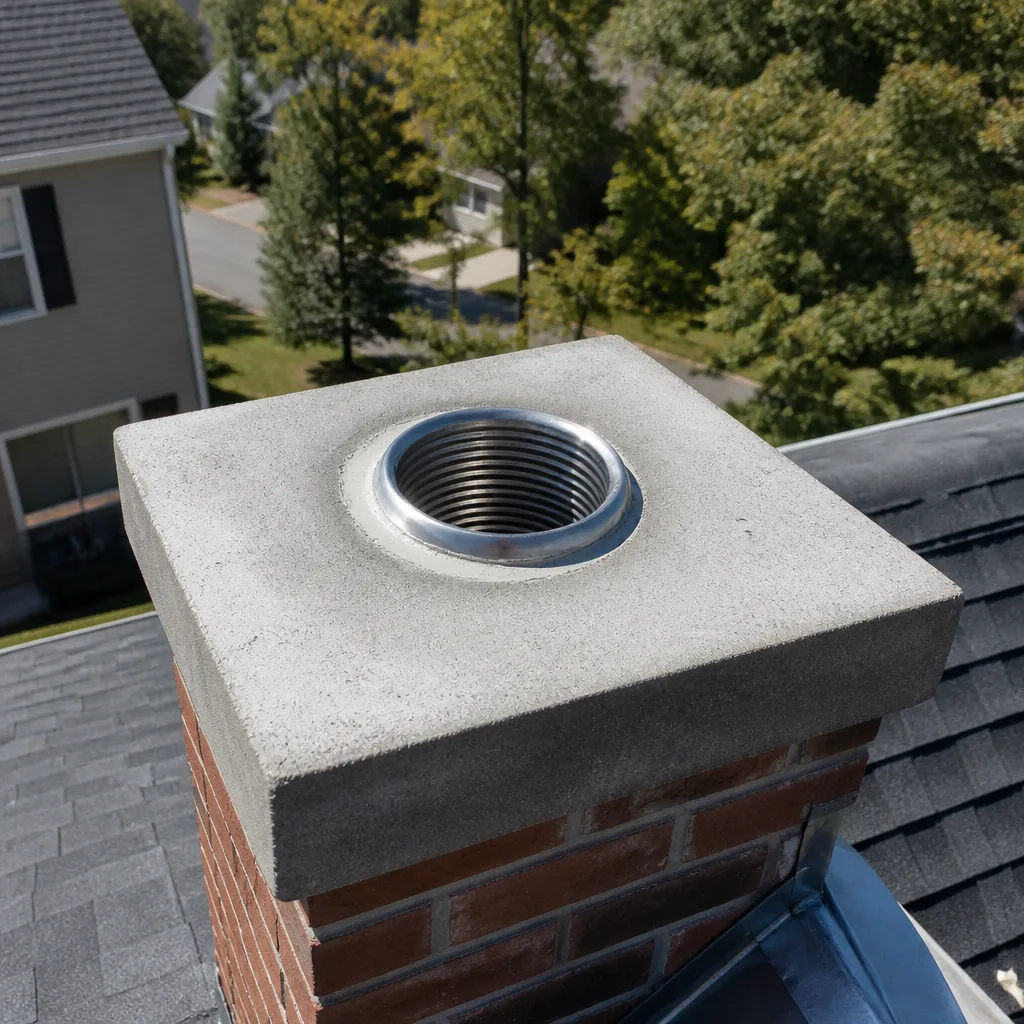 Flue relining
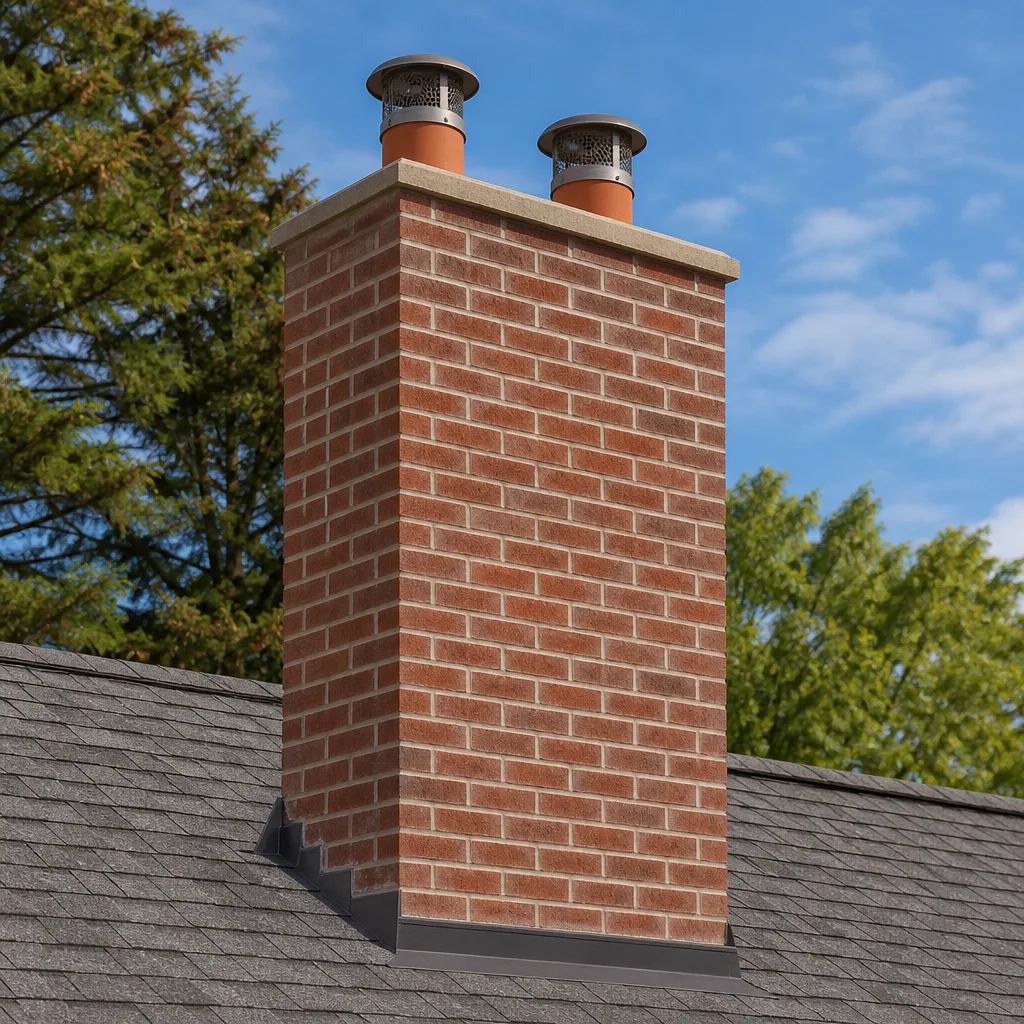 Masonry repair
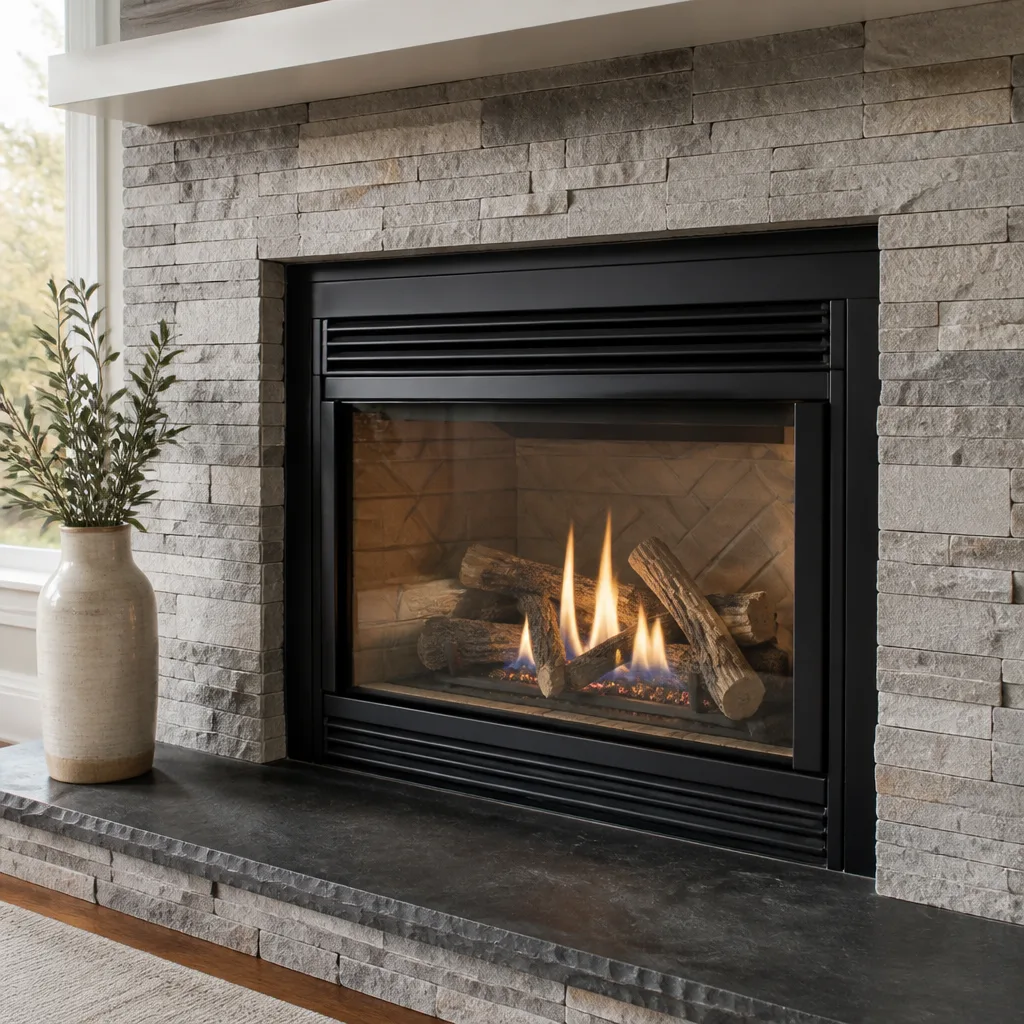 Gas fireplace service
Level 1 sweep and inspection to the NFPA 211 annual standard - flue, crown, cap, and flashing checked and photographed
Chimney sweep logs do not sweep chimneys. They loosen some creosote - which then falls where a brush and vacuum still have to collect it.
DIY vs Professional Chimney Cleaning: The Baldwin Hills Homeowner’s Decision Guide
Here’s a number most chimney cleaning guides won’t lead with: a homeowner using a properly sized brush on a straight flue can remove the same creosote a professional removes, because creosote doesn’t care whose hands are on the rod. What the homeowner won’t remove is the bead of missing mortar 14 feet up, the hairline liner fracture behind the smoke shelf, or the condensation problem caused by a Baldwin Hills marine layer morning against a clay tile that’s been absorbing moisture for 40 years. This guide maps exactly where the DIY line sits for chimney care, and where crossing it costs more than a sweep ever would. For more guides & resources, explore our full collection.
Styles & brands we work with
- Sweep & inspection
- Caps & crowns
- Flue relining
- Masonry repair
- Gas fireplace service
Quick Answer
You can clean a straight, single-flue chimney yourself with roughly $120 to $200 in tools and about 90 minutes of careful work. You cannot assess liner integrity, inspect the smoke chamber, or document the condition of your flue in any way an insurance company will accept after a chimney fire. For Baldwin Hills homeowners, the honest split is this: mechanical brushing is learnable, but structural diagnosis requires camera equipment and material expertise that no tutorial can substitute.
Table of Contents
- What a Careful Homeowner Can Realistically Do
- What Requires Professional Equipment and Training
- The Tool Cost Reality: What DIY Actually Costs in Baldwin Hills
- Why Baldwin Hills Offset Flues Change the Math
- The Insurance and Documentation Dimension
- What a Professional Sweep Actually Includes
- Common Mistakes to Avoid
- When to Call a Professional
- Frequently Asked Questions
- The Bottom Line
What a Careful Homeowner Can Realistically Do
Let’s be direct about what is and is not within reach. We’ve met plenty of Baldwin Hills homeowners who are competent around a ladder, careful with a drop cloth, and perfectly capable of running a brush through a straight flue. We’ve also met homeowners who spent a Saturday covered in soot only to call us Monday because they couldn’t get the cap back on or felt something shift they didn’t like. The distinction is rarely about effort. It’s about geometry and diagnostic reach.
Here’s the task-by-task breakdown, and we’re giving you the version most sweep companies won’t put in writing:
Legitimately DIY-able tasks
- Brushing a straight flue with no offsets: If your flue runs dead vertical from firebox to cap, a correctly sized wire brush on flexible rods will do the mechanical work. This is the one core task a homeowner can competently perform.
- Cap inspection from the roof (if safe to access): A visual check for a missing or rusted rain cap, animal nesting material at the top, or obvious masonry spalling at the crown does not require special equipment. It requires a ladder, a harness if the roof pitch exceeds what you’re comfortable with, and good judgment about when to stay off the roof entirely.
- Exterior mortar visual check at ground level: Standing in your yard with binoculars gives you a legitimate first-pass read on whether the mortar joints above the roofline look crumbly, stained, or missing. This is triage, not diagnosis.
- Checking for flue obstruction at the damper: Opening the damper and shining a bright light up the flue from the firebox can reveal a blocked flue from a bird nest or fallen debris in the first few feet. If you see daylight at the top of a straight run, the flue is at least passable.
The common thread: these tasks are visual or mechanical within a straight, accessible flue. They do not require interpretation of what you’re seeing. That is where the line sits.
What Requires Professional Equipment and Training
Now here’s the list that separates a home maintenance project from a diagnostic and restorative trade. These tasks require tools that are not rented at Home Depot, and more importantly, they require the trained judgment to know what the tool is showing you.
- Camera inspection of the full liner length: This is the single largest gap between DIY and professional work. A chimney camera system runs a high-resolution head down the entire flue, documenting every inch. It shows hairline cracks in clay tiles, spalling, missing mortar, and gaps between tile sections that you cannot see with a flashlight from the firebox or from the roof. In Baldwin Hills, where mid-century homes often have original clay tile liners that have absorbed decades of moisture and heat cycling, camera inspection is frequently how we find problems that have no visible symptom on the firebox walls.
- Smoke chamber parging and assessment: The smoke chamber is the area between the damper and the flue, and in many Baldwin Hills homes it’s made of corbeled brick with mortar joints that degrade faster than any other part of the system. Parging that area is a specialized repair, but even assessing it properly requires access and lighting that a brush cleaning never touches.
- Liner integrity evaluation: A cracked flue liner is the most dangerous condition a homeowner can’t see. When a clay liner heats and cracks, the gap exposes combustible material in the chimney structure to flue gas. No brush cleaning reveals this. It takes a camera, and the person reading the footage needs to know what a hairline fracture looks like versus a shadow, versus a stain.
- HeatShield or similar ceramic liner restoration: This is worth naming directly because it’s the dividing line between a sweep company and a repair company. If your liner is spalling but not fully compromised, a ceramic resurfacing like HeatShield can restore the flue’s integrity without a teardown. This is not a DIY product, it’s a professional system that requires specialized spray equipment and certification to apply correctly.
- DuraFlex flexible liner installation: When a liner is beyond resurfacing, the fix is often a flexible stainless liner pulled through the existing flue. This is a manufacturer-engineered system with specific tolerances for diameter, insulation, and termination. It’s also the difference between a chimney that’s safe to use next winter and one that should be capped off permanently.
What we’re describing here is the boundary between cleaning and repairing. Most Baldwin Hills homeowners don’t know that seam exists until they’re on the wrong side of it. The fixing and restoring part is precisely what separates an expert from a brush-and-go operation. A Chimney Sweep in Baldwin Hills who only cleans can’t tell you whether your flue needs a $2,000 DuraFlex liner or a $400 parge. We can, because we carry both systems.
The Tool Cost Reality: What DIY Actually Costs in Baldwin Hills
The most common DIY argument goes like this: “A chimney sweep costs $200 and I can do it for free.” That math falls apart the minute you price the tools correctly and factor in the learning curve. Here’s the honest number, using current pricing from national suppliers and what we know Baldwin Hills homeowners actually spend, with a full Chimney Cleaning Cost Breakdown: The Baldwin Hills Homeowner’s Reference for 2026 available for comparison.
Competent DIY chimney cleaning tool list
- Chimney brush sized to your flue: $35 to $60. This is the biggest mistake DIYers make, and it’s critical: a brush that’s one inch too small leaves a creosote layer on the flue wall, and one that’s too large binds in the flue and can pull clay tiles loose when you reverse direction. You need to know your exact flue dimensions, which means measuring from the roof before you order anything.
- Brass or steel rod set (flexible, 6-foot sections): $45 to $80. Keep the material cost high because cheap rods separate at the joints under the twisting load of a bound brush, and then you own a brush stuck 10 feet down your flue.
- Drop cloth system and firebox door cover: $25 to $40. The amount of fine soot generated by even a careful brushing is consistently underestimated. One stray gust through the living room window and the cleanup cost exceeds the sweep fee.
- Shop vacuum with a HEPA filter, not the standard filter: $80 to $150 if you don’t already own one. Standard shop vac filters pass fine creosote dust straight through the exhaust, which means you’re moving the problem from the flue to your carpets and upholstery.
- Safety glasses, N95 or better respirator, and clothing you’ll discard: $25 to $45. Creosote is an irritant and a carcinogen, and Baldwin Hills chimney dust is fine enough to stay airborne long after the brushing is done.
- Ladder suitable for roof access: $0 if you already own one, $150 to $250 if you don’t, and if your Baldwin Hills home has a steep pitch or a second-story roof, you also need a harness system or you need to admit this isn’t your project.
Total for a homeowner starting from scratch: roughly $200 to $425 in tools, plus the Saturday, plus the cleanup. If you already own the vac, the ladder, and the respirator, the marginal cost is more like $80 to $140. That’s a real saving over a professional sweep. But here’s what the $0 labor argument always misses:
- You’re paying yourself $0 for the learning curve, and the learning curve is steep. The first time you do a flue brushing, everything takes twice as long as the tutorial, and the mistakes are never in the tutorial.
- You still need a professional inspection. Cleaning and inspecting are different services. Doing the first yourself doesn’t remove the need for the second, and in fact it can hide the second because a freshly brushed flue looks cleaner than it is structurally. A camera inspection after a DIY brushing typically runs a few hundred dollars on its own.
- Disposal and dust control are real costs in terms of time and stress. You will find creosote dust in places you cannot explain. It is fine enough to travel.
We’re not arguing the DIY math is never favorable. For a homeowner who already owns the vacuum, the ladder, and the roof-access comfort, who has a straight flue and the exact brush diameter, and who has scheduled a professional camera inspection afterward, the economics can work. But that homeowner is the exception, and the Baldwin Hills market has enough older homes with compromised liners that the inspection step is not optional. See our How to Hire a Chimney Cleaning Contractor in Baldwin Hills: A Step-by-Step Guide for what to ask before booking.
Why Baldwin Hills Offset Flues Change the Math
Here’s a fact specific enough to matter if you’re reading this from View Park, Ladera Heights, or the hillside streets above La Brea: many of the chimneys in Baldwin Hills were built with offset flue runs, meaning the flue doesn’t ride straight up from the firebox. The builder angled it to route around a joist, a beam, or a second mantel in the original design. Offset flues are not inherently unsafe, but they change the DIY calculus in three ways that generic online guides never address.
First, a flexible rod with a brush on the end will follow an offset, but only if the rod is designed for a continuous bend and the homeowner knows which direction the offset goes. Push the wrong bend, and the brush hangs on the smoke shelf or the first tile ledge. Every inch of rod you jam down a stuck flue from the firebox side increases the chance of knocking a clay tile out of position, and that’s a repair no homeowner can fix from either end.
Second, an offset flue without a rotary system cannot be cleaned to the same standard as a straight flue with hand rods. The brush does not produce even contact through the bend, especially the inside radius, where creosote accumulation concentrates. Baldwin Hills homes from the 1950s through the 1970s are the prime window for this construction style, which means a large share of our local housing stock falls into the “poor DIY candidate” category, regardless of the homeowner’s skill level.
Third, without a camera inspection before the cleaning, you have no way to confirm whether the flue you’re about to brush has intact tiles through the offset. A homeowner who runs a brush down an offset with a pre-existing loose tile and then fires the fireplace bears the responsibility for whatever the brush dislodged. In our experience at Chimney Sweep Baldwin Hills home, we consistently see offset flues in mid-century Baldwin Hills construction, and we’ve seen what happens when a determined DIYer meets a stubborn bend. If your flue has any angle that isn’t visible from both ends, we recommend a rotary system with a camera, which is professional equipment, not a weekend rental.
The Insurance and Documentation Dimension
Here’s the part most DIY chimney cleaning articles won’t touch, and it matters more for Baldwin Hills homeowners than almost anywhere else in Los Angeles. When a chimney fire occurs, the question your insurance adjuster asks is not “Did you clean the chimney?” It’s “Can you prove it was cleaned and inspected by a qualified professional?” And that second question has a very short acceptable answer.
Most homeowners insurance policies in California include maintenance provisions that imply or explicitly require the homeowner to maintain the chimney in a safe condition. If a fire claim is filed and the insurance company determines the fire originated in a chimney that had not been professionally inspected or maintained, the claim can be reduced or denied on the maintenance exclusion. A DIY cleaning with no documentation does not satisfy the standard. A receipt from a professional sweep that includes a camera inspection report does. This is the practical, non-theoretical difference that makes “I cleaned it myself” a dangerous answer to give an adjuster.
The logic is straightforward. An insurance company doesn’t accept homeowner maintenance as evidence because the homeowner has a financial interest in the outcome. A third-party professional with a written report creates a paper trail. We’ve seen Baldwin Hills families learn this the hard way after a chimney fire, and the lesson is always the same: the documentation is worth more than the cleaning itself. No matter how carefully you brush a flue, you cannot generate a professional inspection report from your own work. And that report is the difference between a covered loss and a very expensive conversation.
What a Professional Sweep Actually Includes
If you’ve read this far, you know the brush is the easy part. Here’s what a professional chimney cleaning actually buys you in Baldwin Hills, and what it should buy you if you’re comparing quotes.
- Camera inspection before and after cleaning: The pre-cleaning camera run establishes what the flue looked like before you touched it, which is how we catch cracks and gaps hiding under a layer of creosote. The post-cleaning run confirms the brush or rotary system removed what it should have and that nothing was dislodged during the work. Any company that skips this step is doing half a service.
- Sizing the brush to the actual flue dimensions: Flue sizes in Baldwin Hills range from 6-inch rounds on prefab systems to 8×13 rectangular clay tile, and a competent sweep measures before selecting the brush. Using the wrong size on a clay tile liner can chip tiles or leave a pass-through lane of creosote.
- Smoke chamber brushing and visual assessment: The smoke chamber collects as much creosote as the flue and is easier to miss. Professional cleaning includes it, and professional assessment includes reporting whether the chamber needs parging.
- Firebox cleaning and damper operation check: This is the finishing work that leaves the fireplace usable, plus a check that the damper opens, closes, and seals the way it should after the work.
- Written report with photographic documentation: The report is the deliverable with real insurance and resale value. It should include photos from the camera run, a stated condition of the liner and smoke chamber, and a recommendation for when the next cleaning is due.
- If requested, liner restoration or repair options: If the camera reveals spalling or cracking, a company with HeatShield capability can quote the resurfacing on the spot, and a company that installs DuraFlex can quote the relining. This is the main reason to choose an expert who covers both cleaning and repair, because the alternative is paying one company for the cleaning and a second for the repair, with two service calls and two service fees.
The brands matter here in a way that’s worth stating plainly. We use Gelco and Olympia Chimney components because they’re the same professional-grade materials commercial chimney contractors specify, not the import line stocked for big-box retail. We use HeatShield for ceramic liner resurfacing when the liner is spalling but the structure is sound. And when the liner is beyond resurfacing, we stock and install DuraFlex flexible liners rather than referring you to a restoration firm. That’s the difference in one sentence: a sweep company leaves you with a clean flue and a list of referrals. We leave you with a clean flue and a genuine repair option, because we name the products we use and we carry them to the job.
You can also consolidate the other half of your fire-safety equation under the same visit. Lint accumulation in dryer vents is the leading residential appliance fire cause in the United States, and Baldwin Hills homes with older vent runs or long exhaust paths are particularly prone to restricted airflow. A dedicated Dryer Vent Cleaning in Baldwin Hills addresses that hazard, and pairing it with the chimney work means one service call instead of two separate vendors. For the homeowner who would rather not manage a second appointment, that’s the practical appeal of one call covering both.
Common Mistakes to Avoid
- Using the wrong brush diameter. This is the single most common DIY mistake and the most consequential. A brush that’s too loose leaves creosote behind on the flue wall, which defeats the purpose. A brush that’s too tight binds and can chip clay tiles when you reverse the rod direction. Measure the flue from the top before ordering anything.
- Assuming a clean flue is a safe flue. You can brush out every speck of visible creosote and still have a cracked liner, a failed smoke chamber, or a gap at the tile joints that’s invisible from both ends. Cleaning and structural integrity are separate things, and only a camera separates them.
- Opening the damper too late or not sealing the firebox opening. Creosote dust is fine enough to become airborne and travel through your home within minutes if the firebox opening isn’t sealed with a proper door cover system. A standard flimsy tarp doesn’t cut it.
- Climbing a steep Baldwin Hills roof without a harness. Hillside homes above La Brea and along the ridge lines often have roofs with pitches that make a ladder setup dangerous. The cost of a harness and the training to use it is modest, especially compared to a fall. If your roof pitch is outside your comfort range, call a professional or at minimum work from a secured ladder with a spotter.
- Using the standard shop vac filter instead of HEPA. Standard filters pass fine creosote particulates straight through the exhaust, essentially aerosolizing the carcinogenic material you just pulled from the flue. HEPA filtration is mandatory, not optimal.
- Skipping the post-DIY camera inspection. If you’re going to do the brushing yourself, the one step you should never skip is the professional inspection afterward. Cleaning your own flue and then never having it professionally inspected is the worst possible combination from an insurance and safety standpoint.
- Leaving a dislodged tile in the flue. If you feel resistance while brushing an offset flue and push through it, you may have just knocked a clay tile section loose. Continuing to brush past it makes the condition worse. The correct response is to stop, document what you felt, and have the flue inspected before the fireplace is used again.
When to Call a Professional
Call a professional if your chimney hasn’t been inspected in more than two years, if you’ve never had a camera inspection done, if your flue has an offset or you don’t know whether it does, if you see cracked or spalling brick on the exterior, if you smell smoke in rooms adjacent to the chimney, or if you’ve bought a Baldwin Hills home with an existing fireplace and no documentation from the previous owner. Also call if you’ve attempted a DIY cleaning and felt unusual resistance, or if you want the insurance-grade documentation that only a professional report provides. If you need repair work, the same applies: a Chimney Repair in Baldwin Hills service that also sweeps means you’re not coordinating two companies. Chimney Sweep Baldwin Hills offers free estimates in Baldwin Hills. Call (877) 752-4855 to schedule.
Frequently Asked Questions
A standard chimney sweep in Baldwin Hills typically runs between $180 and $350 depending on flue accessibility, the type of liner, and whether the fireplace has been cleaned recently. Homes with steep roof access or offset flue runs can run higher. The price should include a camera inspection and a written condition report, not just the brushing. If a company quotes significantly below that range, ask whether the camera work and report are included. Call (877) 752-4855 for an exact quote, estimates are free.
No, not to a standard that actually removes the creosote from the full flue length. Some DIY kits sell a bottom-up method that runs the brush from the firebox with the damper removed, but the brush cannot reach the upper third of the flue effectively from that direction, and the creosote that accumulates near the cap is the most concentrated. Roof access is required for top-down brushing.
The National Fire Protection Association standard is that chimneys should be cleaned when creosote accumulation reaches 1/8 inch, which for most Baldwin Hills homeowners works out to once per year for regular wood-burning use, or every two to three years for occasional gas log or decorative fireplace use. The local climate matters here: the damp marine air that rolls through the hills in the morning accelerates the breakdown of creosote into a more corrosive acid form, which is another argument for Seasonal Chimney Cleaning Care for Baldwin Hills: Year-Round Homeowner’s Guide.
Creosote builds up in layers, and once it reaches a third-stage glaze consistency, it’s highly combustible. A hot fire can ignite that layer, producing a chimney fire that reaches 2,000 degrees Fahrenheit, enough to crack clay liners, warp metal flues, and potentially spread to the home’s structure. Even short of an active fire, accumulated creosote corrodes the flue liner over time, which is the slower but just as expensive path. The compound nature of that risk, fire on top and corrosion underneath, is what makes deferred chimney maintenance so costly.
You need a camera inspection you can see with your own eyes before you spend on a liner. A reputable sweep will show you the footage and point to the exact cracks, spalling, or gaps, and will tell you plainly if the liner can be safely used for another season. If the liner is spalling but structurally sound, HeatShield ceramic resurfacing can restore it without a teardown. If it’s fully compromised, a DuraFlex stainless liner installed inside the existing flue is the standard fix. If a company recommends a liner without showing you camera evidence, get a second opinion.
They’re separate systems but the same failure mode: accumulated combustible material in an exhaust flue. Lint buildup in a dryer vent is the leading cause of residential appliance fires in the U.S., and the mechanism is nearly identical to creosote accumulation in a chimney. If your Baldwin Hills home has an older dryer vent run with multiple bends, the restriction point accelerates lint accumulation faster than the vent’s diameter can compensate for. Consolidating both services under one vendor is a convenience, but it’s also a real risk reduction. A dedicated Dryer Vent Cleaning in Baldwin Hills is the service, and pairing it with the chimney sweep means one trip covers the whole fire-safety picture.
The Bottom Line
The honest answer to the DIY question is not yes or no; it’s a two-part split. The flue brushing itself is learnable, provided you have a straight flue, the correct brush diameter, a HEPA vac, and the good sense to size the job to your roof-access comfort. The structural assessment is not learnable from a tutorial, because it depends on camera footage and the trained eye that reads it. For Baldwin Hills homeowners, the practical conclusion is this: if you want to do your own brushing, plan for a professional camera inspection afterward, and keep the insurance documentation requirement in mind. If you want the full service, one call covers the sweep, the inspection, the repair options if needed, and the dryer vent work. Whichever path you choose, the goal is a chimney that’s clean and known to be intact, not one that just looks clean.
Written by the team at Chimney Sweep Baldwin Hills, serving Baldwin Hills since 2015.
See the difference
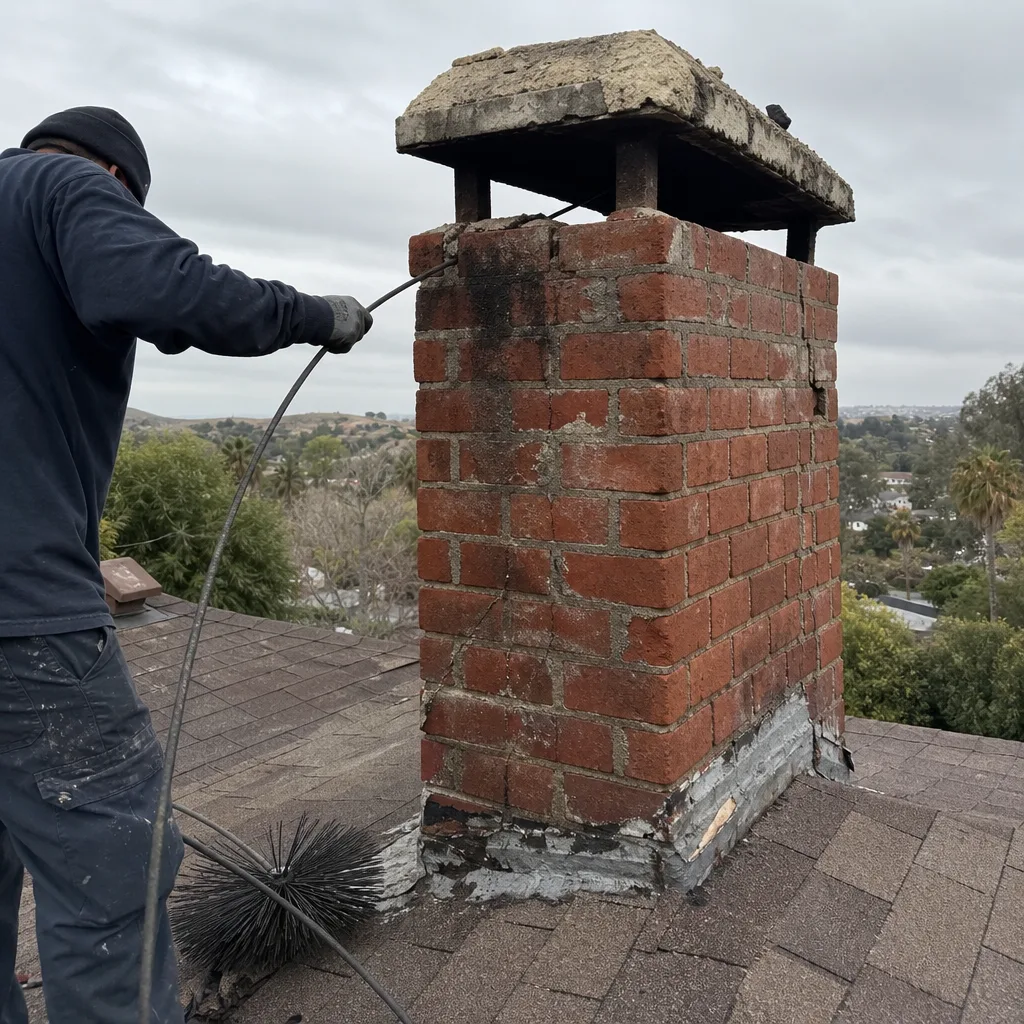 Before
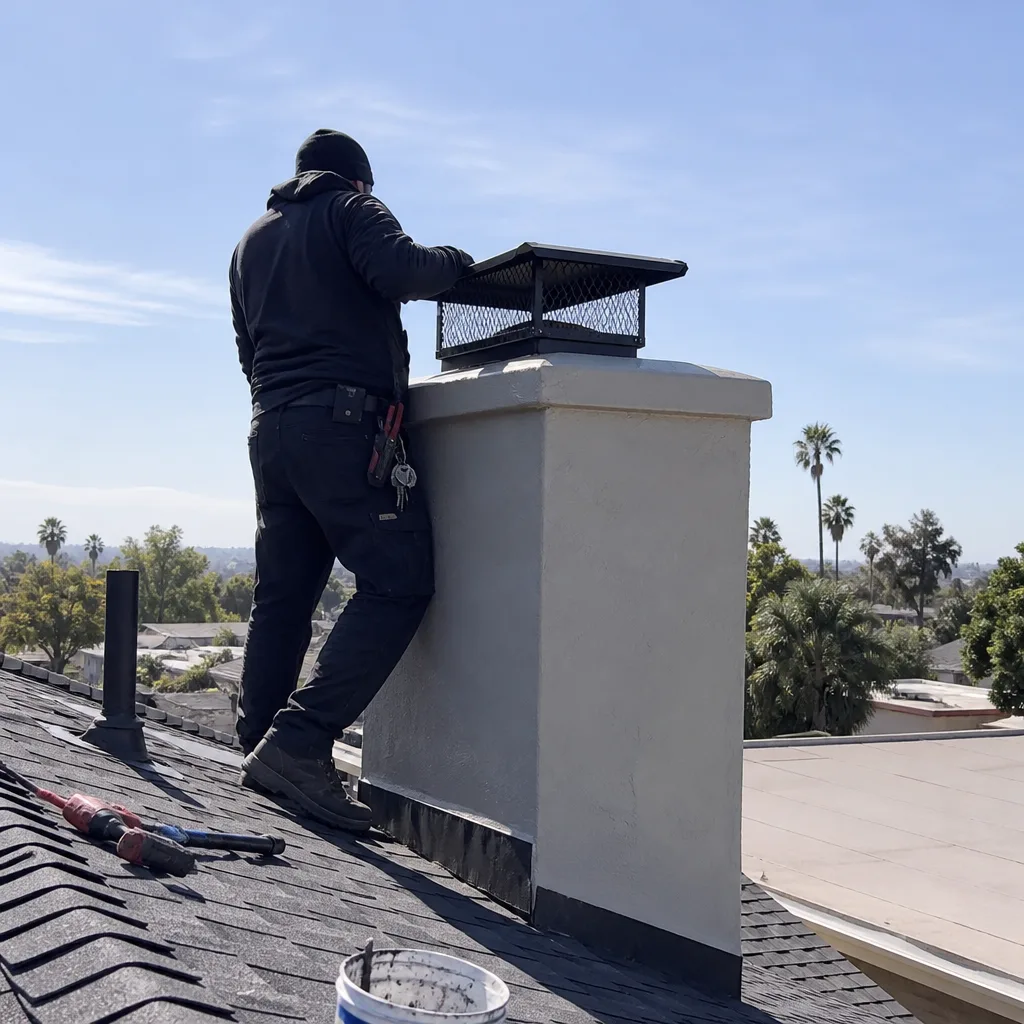 After
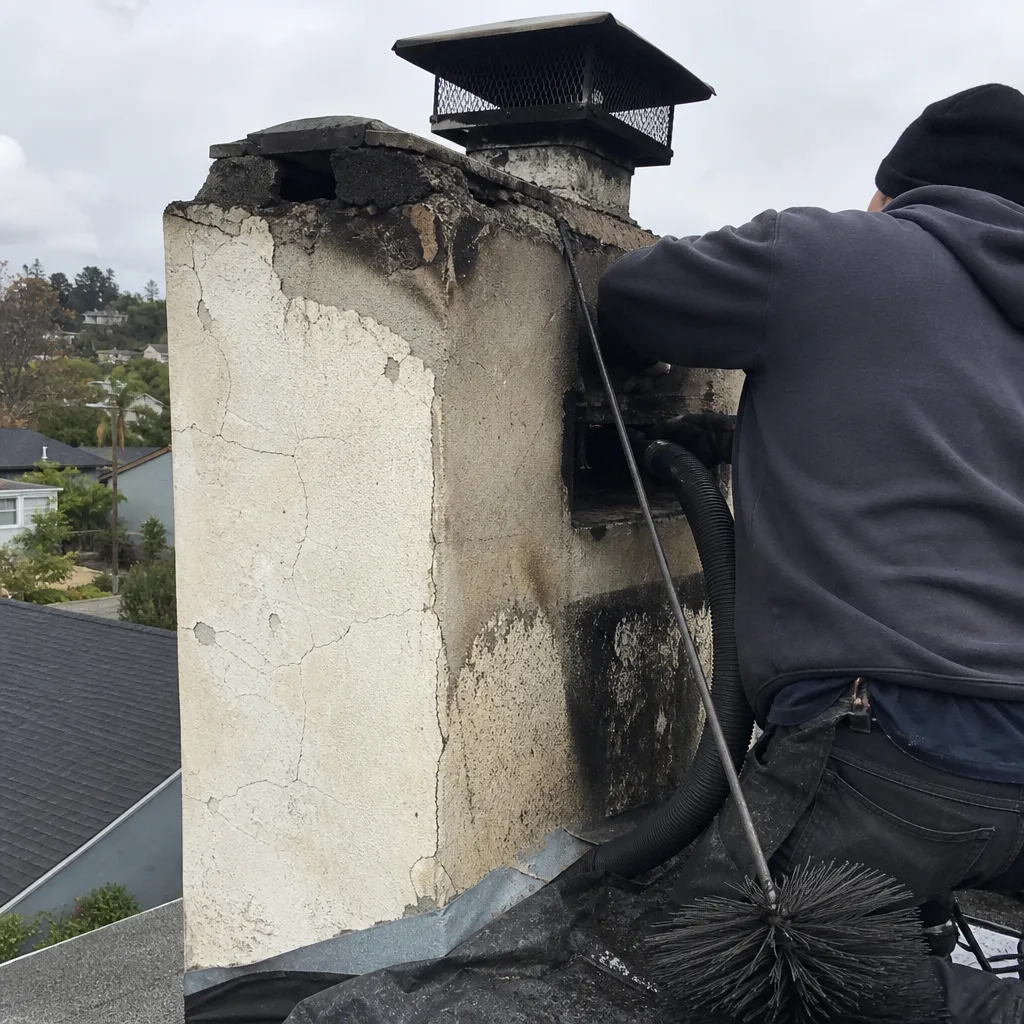 Before
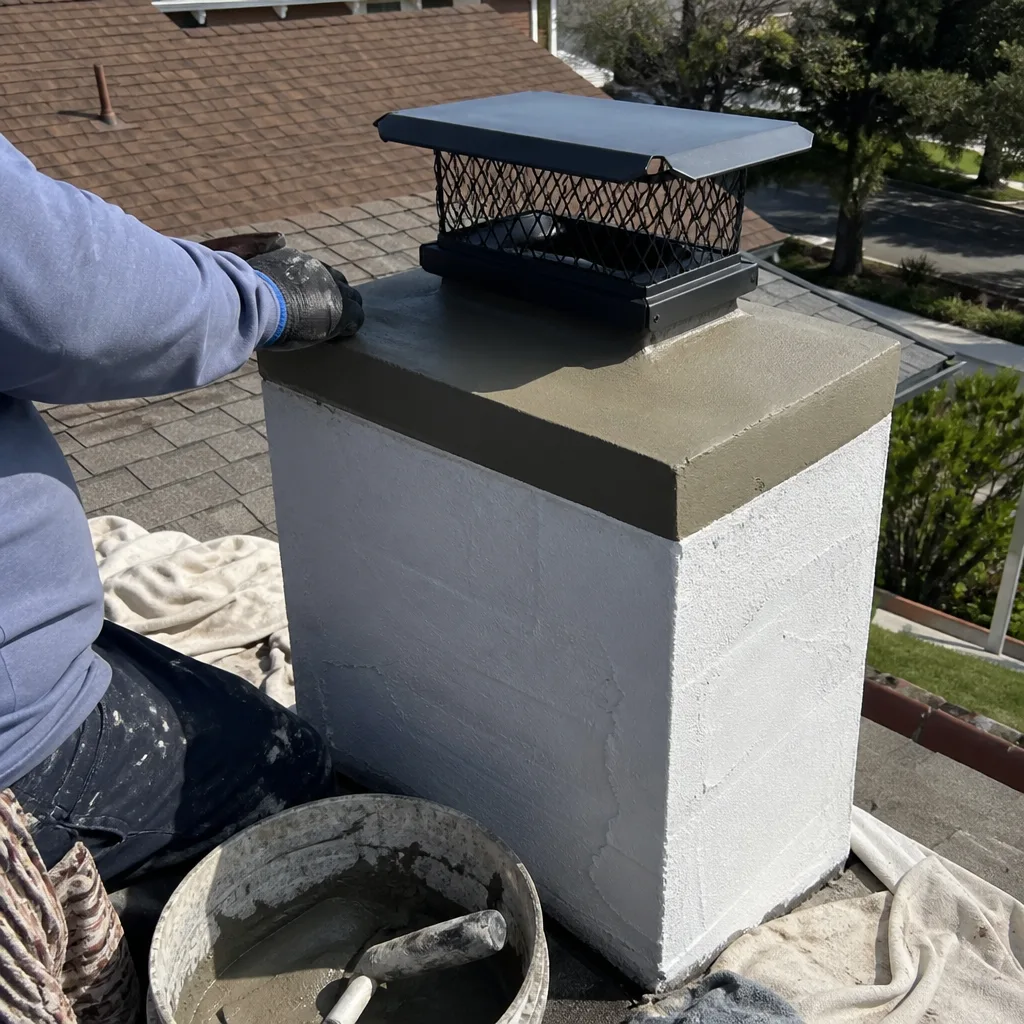 After
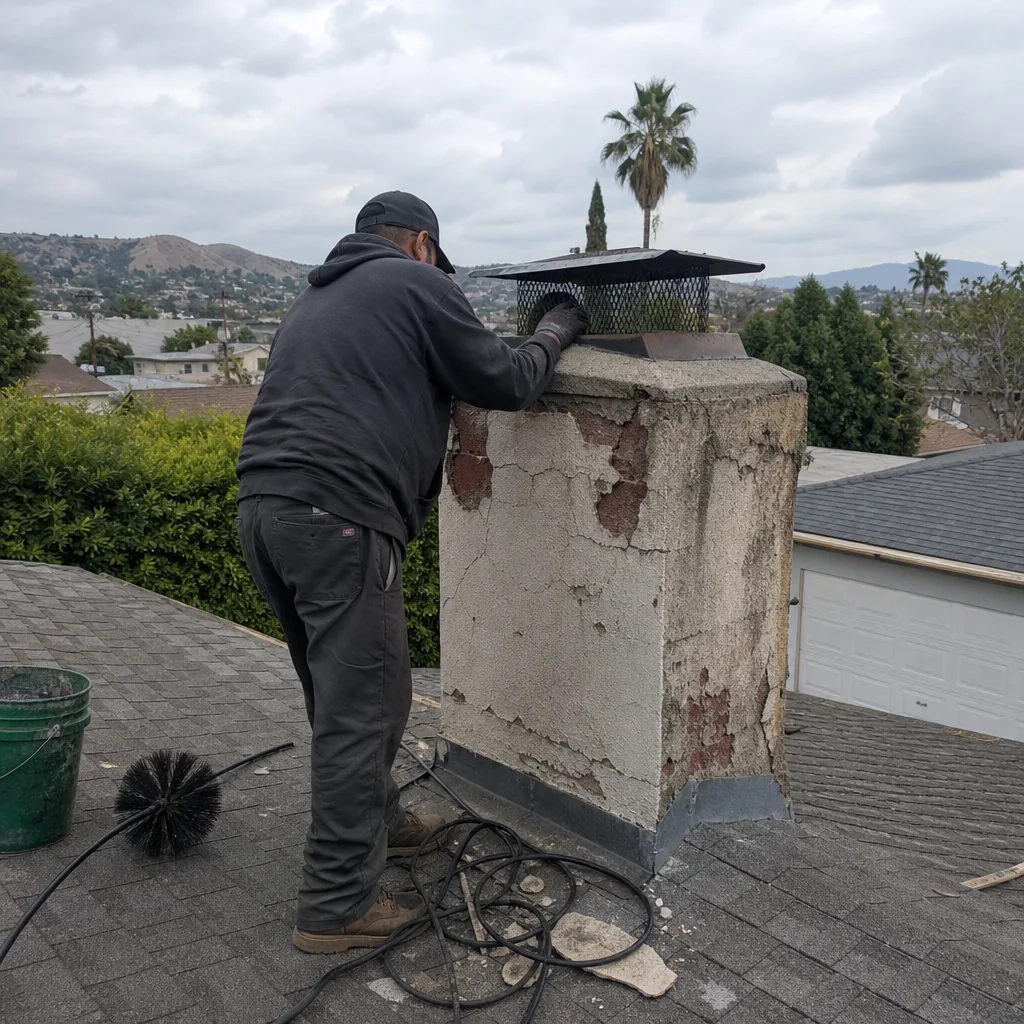 Before
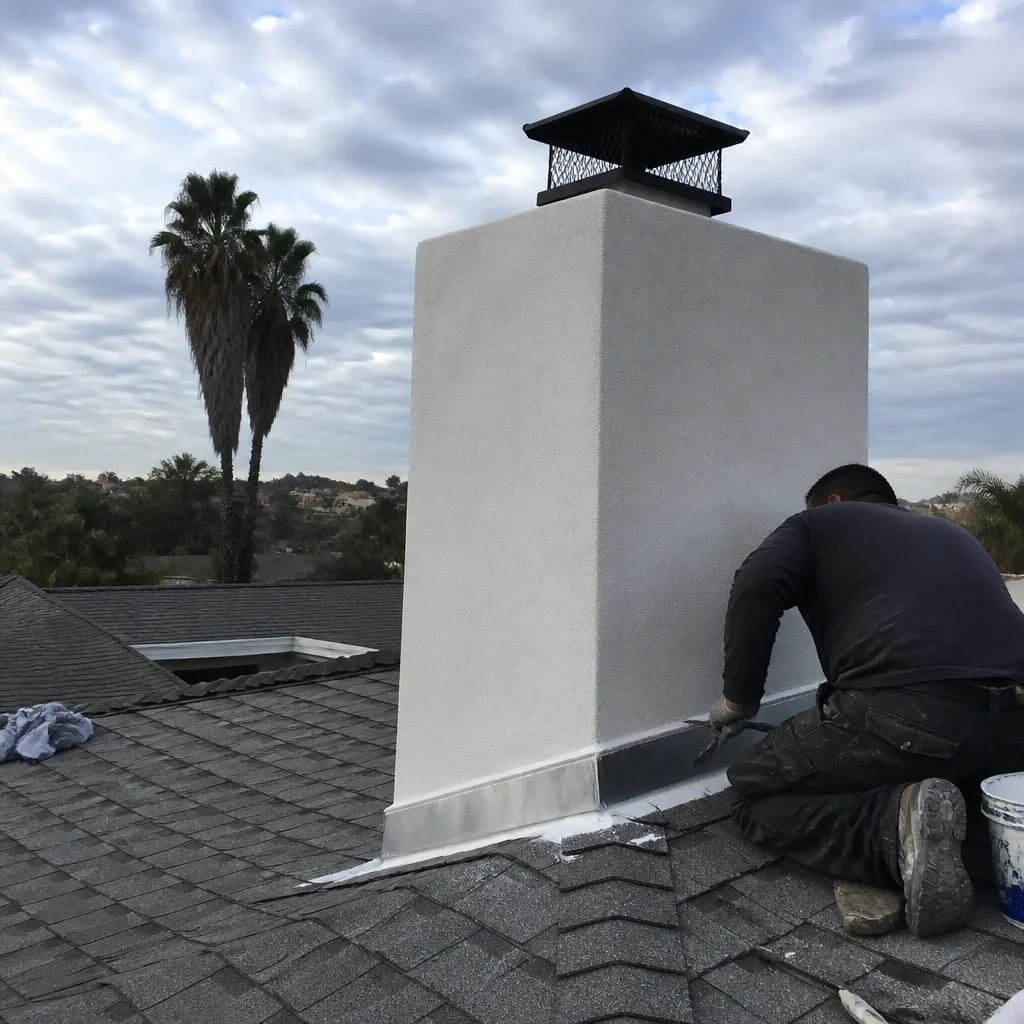 After