
Last updated November 2, 2026
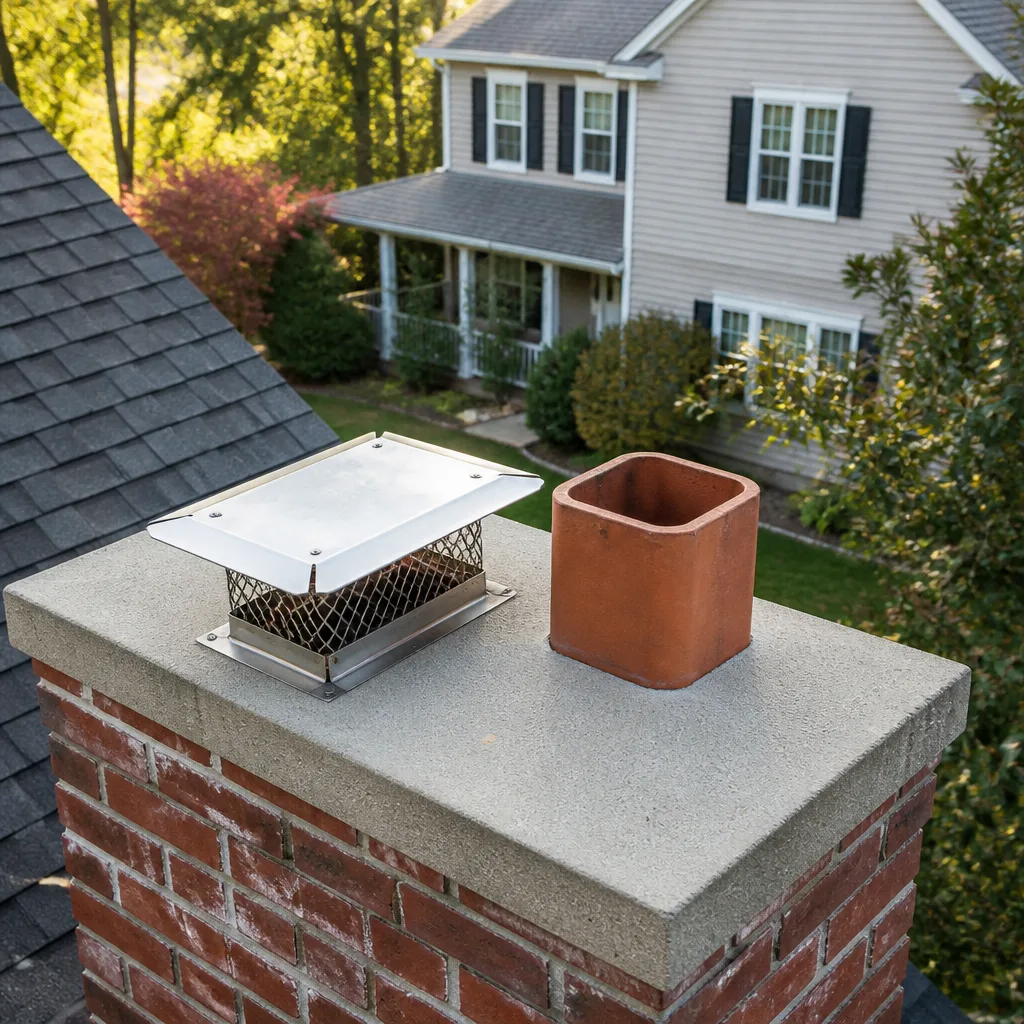 Sweep & inspection
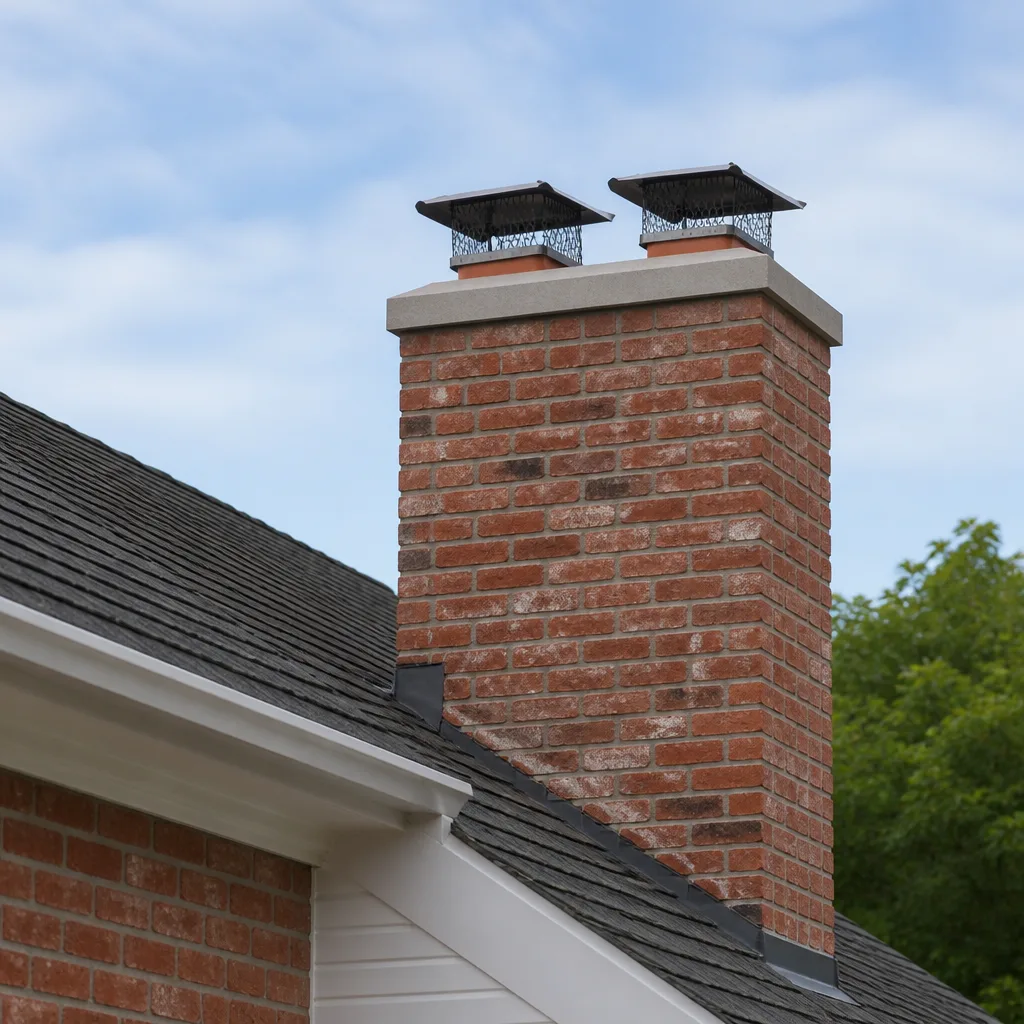 Caps & crowns
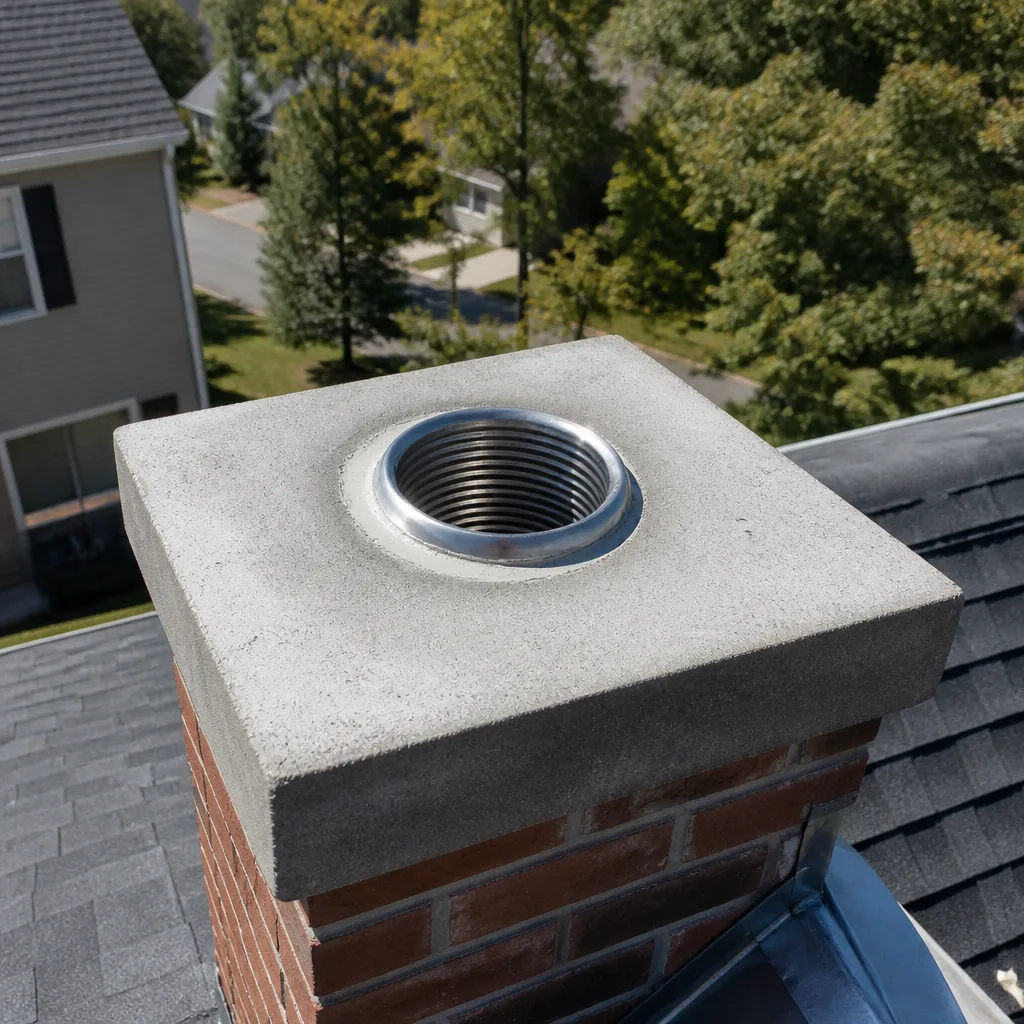 Flue relining
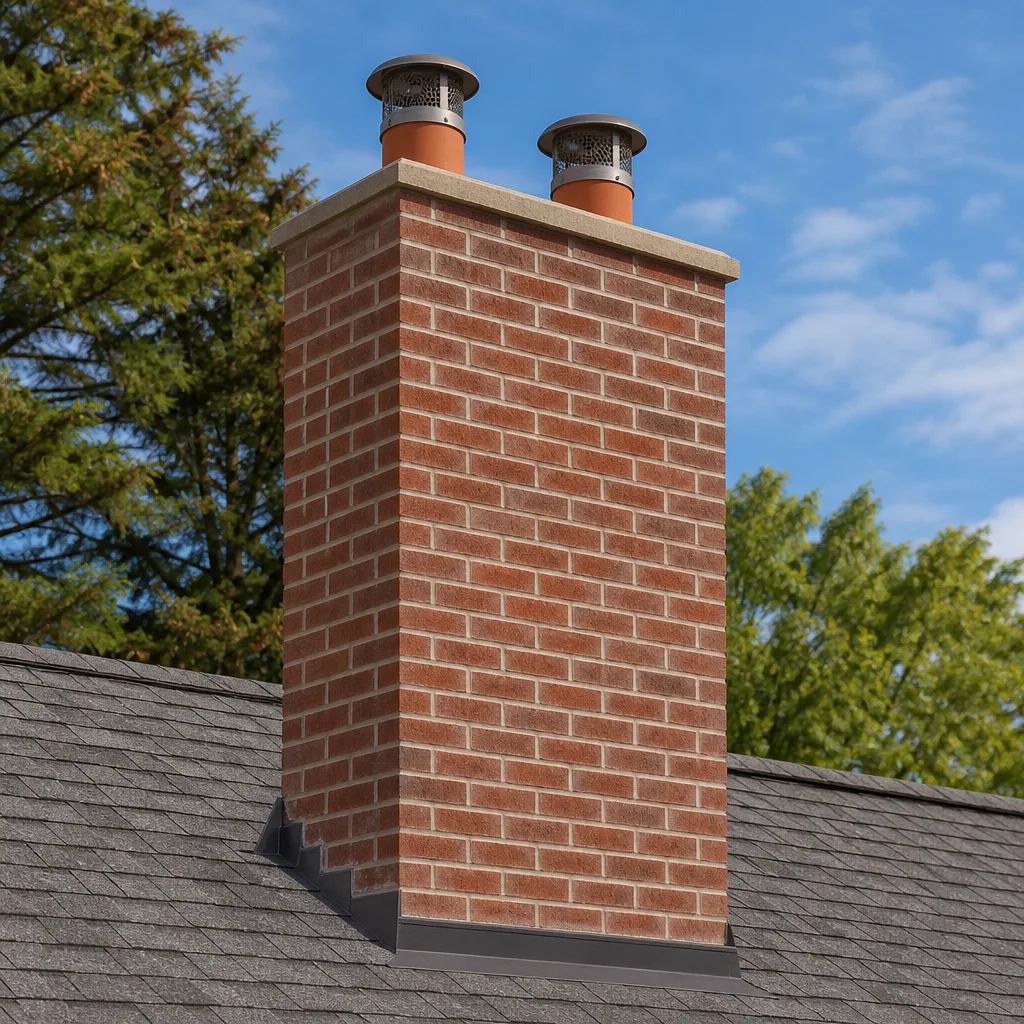 Masonry repair
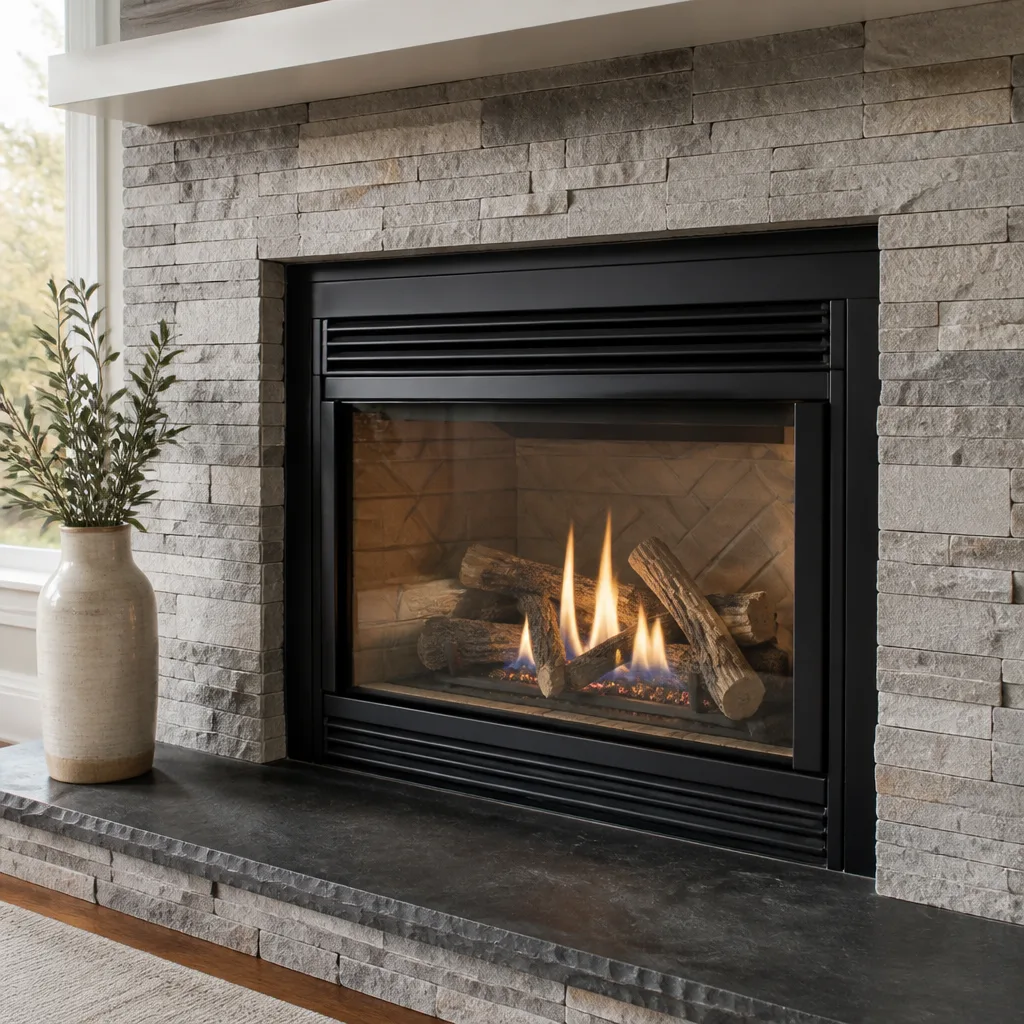 Gas fireplace service
Level 1 sweep and inspection to the NFPA 211 annual standard - flue, crown, cap, and flashing checked and photographed
Chimney sweep logs do not sweep chimneys. They loosen some creosote - which then falls where a brush and vacuum still have to collect it.
Seasonal Chimney Cleaning Care for Baldwin Hills: Year-Round Homeowner’s Guide
The worst time to discover your chimney cap failed is the first cold night in October when you light your first fire of the season, but that’s exactly when most Baldwin Hills homeowners find out. A cracked cap, a bird’s nest packed into the flue, or a summer’s worth of Santa Ana debris doesn’t announce itself until smoke starts curling back into the living room. This guide walks through the real seasonal rhythm of Baldwin Hills chimneys: the October through February burn window, the eight-month dormancy period where moisture and pests do their quiet damage, and the specific maintenance calendar that keeps a $200 cleaning from becoming a $1,400 liner repair.
Quick Answer
Seasonal chimney care in Baldwin Hills means sweeping after the burning season ends (February to early March), inspecting caps and dampers before the Santa Ana wind window starts (September), and performing a visual check for moisture, pest intrusion, and creosote buildup every three months. The local climate creates two distinct risk windows: the October to February burn window and the March to September dormancy window. A year-round calendar built around that rhythm, not a generic four-season template, prevents the deferred problems that turn routine maintenance into structural repairs.
Styles & brands we work with
- Sweep & inspection
- Caps & crowns
- Flue relining
- Masonry repair
- Gas fireplace service
Table of Contents
- Why Baldwin Hills Is Different: Two Seasons, Not Four
- The Burn Window: October Through February
- The Post-Season Sweep: Why February Timing Matters
- The Santa Ana Wind Window: September Through November
- The Marine Layer Months: May Through September
- Pest Intrusion Calendar: When Starlings and Racoons Move In
- Month-by-Month Maintenance Calendar for Baldwin Hills
- Common Mistakes to Avoid
Why Baldwin Hills Is Different: Two Seasons, Not Four
Most chimney maintenance advice online gets written for New England or the Midwest, where freezing winters and leaf-dropping autumns set the schedule. Baldwin Hills doesn’t work that way. You don’t get a hard freeze that splits masonry, you don’t get a heavy leaf season, and you don’t get six months of continuous burning. What you do get is a Mediterranean climate with a long, damp marine layer season from May through September and dry, gusty Santa Ana winds from September through November. Those two weather patterns, combined with occasional winter burn use, create a maintenance rhythm that’s specific to Los Angeles County.
We’ve crawled onto a lot of Baldwin Hills roofs over the years, and the chimneys here share common failure patterns. Uncapped flues fill with sycamore and eucalyptus debris during Santa Ana events. Moisture from the marine layer condenses inside unlined or clay-lined flues and breaks down the mortar joints. Starlings nest in the flue during spring, and raccoons use the chimney chase as a den site in the fall. None of these problems require a freeze-thaw cycle to get started. They’re driven by wind, humidity, and wildlife pressure, and they all follow a predictable annual pattern.
The key shift for Baldwin Hills homeowners is thinking about chimney maintenance as a year-round responsibility, not a fall ritual. The Chimney Sweep Baldwin Hills home page covers our core services, but this guide explains the timing logic behind them.
The Burn Window: October Through February
Baldwin Hills residents burn wood during a five-month window, typically from the first cold snap in late October through the last rains in February. Some years that window shrinks to three months, and in a mild year, a fireplace might get used ten times total. That intermittent use pattern creates a unique creosote problem. The fires are not hot enough or frequent enough to burn off early-stage creosote, so each fire deposits a thin layer that cools and hardens before the next use. Over several seasons, those thin layers build up faster than they would with daily burning.
Creosote forms in stages. Stage 1 is a flaky, soot-like residue. Stage 2 is a crunchy, tar-like deposit. Stage 3 is a hardened, glossy glaze that requires chemical removal or mechanical rotary cleaning. Intermittent burning is the primary driver that pushes creosote from Stage 1 to Stage 2, because each fire reheats and partially polymerizes the existing layer before cooling it again. We see Stage 2 creosote in Baldwin Hills chimneys that get used only 15 to 20 times per season, which surprises most homeowners.
During the burn window, check these three things every month:
- Smoke spillage during startup: A cold flue can create a brief draft reversal, but if smoke keeps spilling after the first two minutes, there’s a restriction or a negative pressure problem.
- Unusual odors after rain: A damp, smoky smell coming from the fireplace after a rain event means water is getting into the flue and soaking into creosote deposits.
- Visible soot accumulation on the damper: The damper plate is the easiest place to see creosote buildup without a full inspection. If it’s crusty or sticky, it’s time for a cleaning.
For the actual cleaning work, our Chimney Sweep in Baldwin Hills page details what a standard sweep includes.
The Post-Season Sweep: Why February Timing Matters
The single most consequential scheduling decision a Baldwin Hills homeowner makes is when to book the annual chimney sweep. Most people book in September or October, right before the burn window opens. That’s understandable, and a pre-season sweep is better than no sweep at all. But the post-season sweep, done in February or early March, is what actually prevents long-term damage in the Los Angeles climate.
Here’s why. When you finish burning in February, the creosote inside the flue is warm, semi-pliable, and relatively easy to remove with standard rotary brushes. If that creosote sits through the May-to-September marine layer period, it absorbs ambient moisture. That moisture combines with the acidic compounds in creosote to accelerate corrosion of metal liners and degradation of mortar joints in masonry chimneys. Worse, the creosote hardens as it dries, becoming more difficult to remove the next season. We regularly see flues in Baldwin Hills where a simple February sweep would have taken an hour, but by October the creosote has hardened enough to require chemical treatment or extended rotary work.
The post-season sweep timing works like this:
- Late February to early March: Book the annual chimney sweep after the last burn of the season.
- March through May: The flue is clean during the first marine layer months, so there’s no creosote absorbing moisture.
- June through August: The chimney sits dry and clean through the heaviest humidity period.
- September: A quick visual inspection before burn season catches any cap damage from summer Santa Ana wind events.
This schedule flips the conventional wisdom, but it’s the correct approach for a climate where moisture, not cold, is the primary threat.
The Santa Ana Wind Window: September Through November
The Santa Ana winds are the most destructive weather event for Baldwin Hills chimneys, and most homeowners never connect them to chimney problems. These winds blow from the northeast, descending from the high desert and accelerating through the mountain passes. They bring sustained wind speeds of 25 to 40 mph with gusts over 60 mph, and they carry an enormous amount of fine dust, sand, and plant debris from the Inland Empire and the foothills.
An uncapped chimney flue acts like a wind scoop during these events. The venturi effect, where wind accelerates as it passes over the top of the flue, creates negative pressure inside the chimney that pulls dust, sand, and small debris down into the firebox. We’ve opened dampers in September and found four to six inches of fine dust accumulated in the smoke chamber. That dust becomes airborne smoke and particulate matter when the first fire of the season hits a warm chimney, and it can also create a fire hazard if it’s mixed with creosote residue from the previous burn season.
The more serious problem is ember intrusion. During wildfire events in the Santa Monica Mountains or the Hollywood Hills, wind-driven embers can travel a mile or more ahead of the fire front. An uncapped chimney with a degraded spark arrestor mesh becomes an entry point for those embers, which can ignite creosote deposits inside the flue or smolder in accumulated debris. The Los Angeles County Fire Code requires spark arrestors on all chimney flues in wildland-urban interface zones, which includes most of the Baldwin Hills area.
Before the Santa Ana window opens, usually in late August or early September, check the following:
- Chimney cap present and intact: A missing or damaged cap is a guaranteed debris entry point. Replace it before the winds start.
- Spark arrestor mesh undamaged: The mesh should be intact with no gaps larger than 1/2 inch. Embers pass through damaged mesh easily.
- Flue liner visible and undamaged: Look down the flue with a flashlight. Cracked clay liner tiles or visible gaps between sections need professional assessment.
We stock and install Galco and Olympia Chimney products for cap and spark arrestor replacements, along with Copperfield dampers. These are the same materials commercial contractors specify, and they hold up to repeated Santa Ana wind cycles far better than the sheet metal caps you’ll find at a hardware store.
The Marine Layer Months: May Through September
The May-to-September period in Baldwin Hills brings coastal fog and marine layer humidity that pushes relative humidity levels above 70% most mornings. That moisture does not stay outside your chimney. The flue is a vertical shaft open to the atmosphere, and humid air from the marine layer settles inside it and condenses on the cooler masonry and liner surfaces.
The condensation problem is worst in older masonry chimneys with clay tile liners. The tiles have mortar joints between them, and those joints absorb moisture. Over time, the absorbed moisture dissolves the alkaline compounds in the mortar, and the joints start to erode. We see this in Baldwin Hills chimneys built in the 1940s and 1950s, when the neighborhood’s housing stock was originally developed. The mortar joints between the clay tiles become soft and crumbly, and eventually the tiles shift or crack. That’s when smoke and carbon monoxide can leak into the wall cavity, not just up the flue.
The solution for this cycle is a water-repellent treatment like ChimneySaver Water Repellent, applied to the exterior masonry of the chimney. This is not a sealant or a paint. It’s a siloxane-based compound that penetrates the masonry and creates a vapor-permeable barrier. Water beads and runs off the surface, but water vapor can still escape from inside the masonry. That’s the critical distinction: paint or elastomeric sealants trap moisture inside the chimney, which accelerates the spalling and cracking they were meant to prevent. A proper water-repellent treatment interrupts the moisture absorption cycle without creating a moisture trap.
For homes with metal liners, the marine layer creates a different problem: condensation on the interior liner wall. When the liner cools overnight and humid air moves through the flue, water droplets condense on the metal. That water drips down into the firebox or, worse, into the insulation around the liner. Over a full summer, this repeated condensation can cause accelerated rusting in galvanized liners. Stainless liners resist corrosion better, but they’re not immune. Our Chimney Repair in Baldwin Hills page covers liner inspection and replacement options, including DuraFlex flexible liner systems for chimneys with structural degradation.
Pest Intrusion Calendar: When Starlings and Racoons Move In
Wildlife pressure on Baldwin Hills chimneys follows a predictable calendar that lines up with the breeding and nesting seasons of the local species. The two main culprits are European starlings and raccoons, with occasional appearances from chimney swifts and squirrels.
European starlings are the primary bird species in the LA basin that nests inside chimney flues. They begin seeking nesting sites in late February and early March, and they’ll use an uncapped flue with a 12-inch opening as a ready-made cavity. A starling pair can build a nest in three to five days, packing twigs, grass, and debris into the flue and blocking the draft. The Migratory Bird Treaty Act protects starlings while they are actively nesting, which means you cannot legally remove an active nest until the chicks have fledged. In practice, that means a March nest removal becomes a six-week wait until late April or early May.
The practical solution is prevention. A properly sized chimney cap with a 3/4-inch mesh screen keeps starlings out while allowing the flue to draft normally. We install caps on a majority of Baldwin Hills chimneys we service, and the Galco and Olympia Chimney caps we use have held up well to both the wind and the wildlife pressure in this area.
Raccoons are the other significant pest. They start seeking den sites in October and November, and a chimney with an oversized cap or a damaged top damper is an easy entry point. A raccoon in the chimney is a different problem than a bird’s nest. Raccoons are strong, they tear up the cap and damper hardware, and their waste creates a biohazard that needs to be professionally cleaned before the chimney can be used. We do not handle live animal removal, but after the animal is out, we repair the cap, replace the damper, and restore the flue to working condition.
The pest prevention calendar for Baldwin Hills is simple: check the cap and spark arrestor in late February before starling nesting begins, and check it again in September before raccoon denning season starts. The inspections take ten minutes and cost nothing if you can safely access the roof. For most homeowners, though, roof access in Baldwin Hills is a two-story climb with steep pitches, so it’s safer to have a professional do the inspection as part of a routine service call.
Month-by-Month Maintenance Calendar for Baldwin Hills
Here’s the consolidated maintenance calendar we recommend for Baldwin Hills chimneys. It accounts for the local burn window, the Santa Ana wind cycle, the marine layer moisture pattern, and the pest pressure timeline.
- January: Mid-burn-window check. Verify the damper opens and closes freely, check for smoke spillage on startup, and look for any water stains on the ceiling near the chimney chase. A mid-season visual check catches problems before they become hazards.
- February: Post-season sweep. Book the annual chimney sweeping after the last fire. This is the single most important maintenance action of the year in Baldwin Hills. The flue is clean before the moisture season begins.
- March: Cap and damper inspection. Check the chimney cap for damage, verify the spark arrestor mesh is intact, and confirm the damper seals properly. This is the last month before starling nesting begins.
- April: Off-season visual check. Look for any signs of water intrusion around the chimney crown or chase. April rain is uncommon but possible, and the marine layer starts thickening.
- May: Moisture assessment. If the chimney has not been treated with a water repellent, schedule a moisture absorption test. This is the month when marine layer humidity reaches its peak.
- June: Dryer vent check. Since we’re on the topic of fire safety, June is a good time to have the dryer vent cleaned. Lint buildup is the leading cause of residential dryer fires, and summer is when dryer use tends to increase.
- July: Mid-summer visual check. Minimal chimney use this month, but check for pest activity around the chase or cap. Raccoons are not active yet, but squirrels and roof rats can be.
- August: Pre-Santa Ana cap inspection. This is the last month before the wind window opens. If the cap or spark arrestor needs replacement, get it done now, not in October.
- September: Santa Ana preparation. Clear any accumulated debris from the flue and firebox. Check the damper seal. If you skipped the February sweep, book it now as a pre-season sweep before the winds make a clean flue a dirty one.
- October: Pre-burn safety check. Verify the flue is clear, the cap is secure, and the damper works. Light the first fire of the season and watch for any smoke spillage or unusual odors.
- November: Burn window maintenance. Continue monthly smoke and odor checks. If you’re using the fireplace more than twice a week, consider a mid-season sweep in December.
- December: Holiday burn check. December is the heaviest burn month in Baldwin Hills. Check the firebox for creosote buildup every two weeks, and schedule a mid-season sweep if you’ve used the fireplace more than 25 times since October.
Common Mistakes to Avoid
- Skipping the post-season sweep because the chimney “looks fine.” The flue interior doesn’t show visible creosote from the firebox. By the time you can see crusty buildup on the damper, significant accumulation is already present further up the flue.
- Booking the annual sweep in October. An October sweep is better than nothing, but it misses the opportunity to remove creosote before it hardens and absorbs moisture through the marine layer season. A February sweep leaves the flue clean through the dampest months.
- Ignoring the chimney cap because “birds aren’t a problem around here.” European starlings are abundant in Los Angeles County, and an uncapped flue is an open invitation. Once a nest is active, the Migratory Bird Treaty Act prevents removal until the chicks fledge, leaving an active chimney unusable for weeks.
- Treating a chimney cap replacement as a trip-to-the-hardware-store job. The generic sheet metal caps sold at home improvement stores do not hold up to Baldwin Hills Santa Ana wind cycles. They warp, the mesh tears, and they need replacement within a year or two. Professional-grade caps from Galco or Olympia Chimney last substantially longer.
- Using an elastomeric or acrylic sealant on chimney masonry. These coatings trap moisture inside the masonry and accelerate the spalling and cracking they were meant to prevent. A siloxane-based water repellent like ChimneySaver allows vapor to escape while blocking liquid water absorption.
- Delaying a liner inspection because smoke still drafts fine. Carbon monoxide is colorless and odorless, and a cracked or eroded liner can leak combustion gases into the wall cavity even when the chimney seems to be drafting normally. Liner problems are invisible until they’re serious.
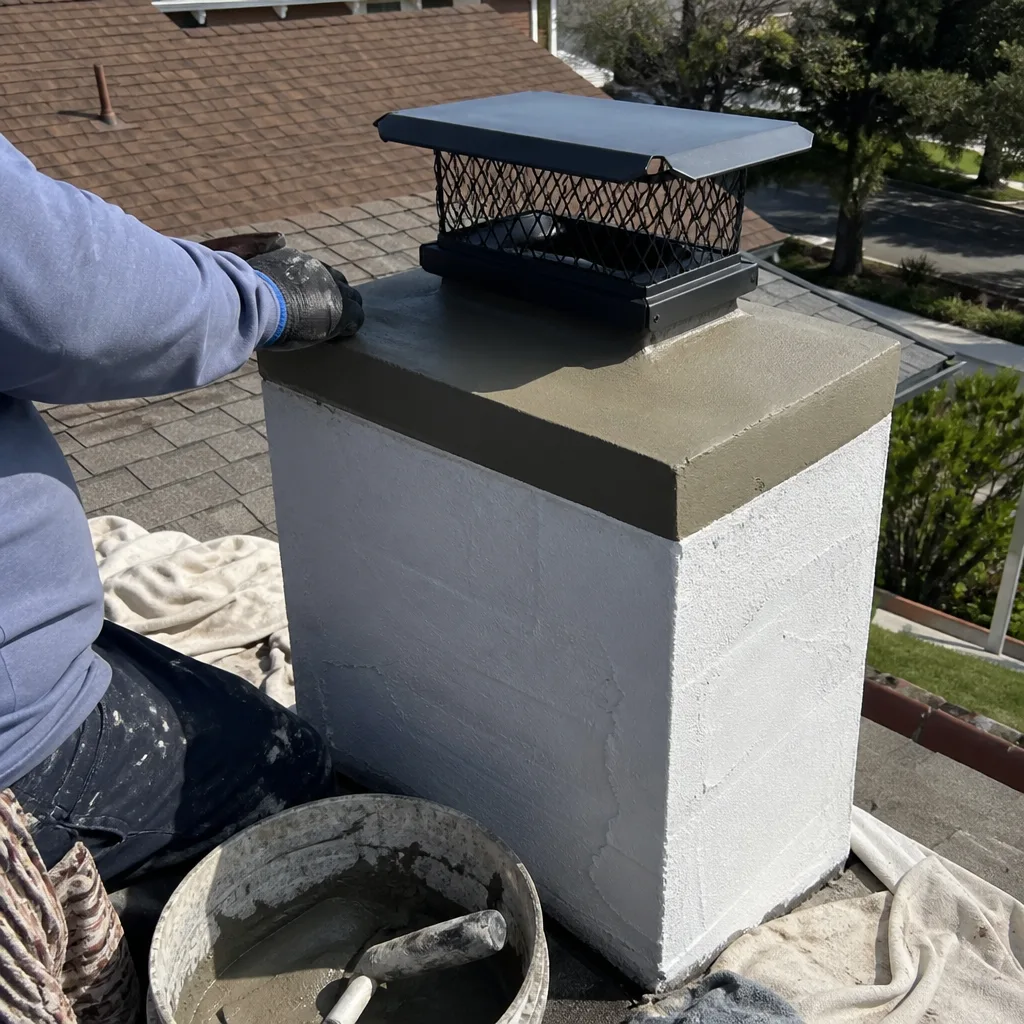
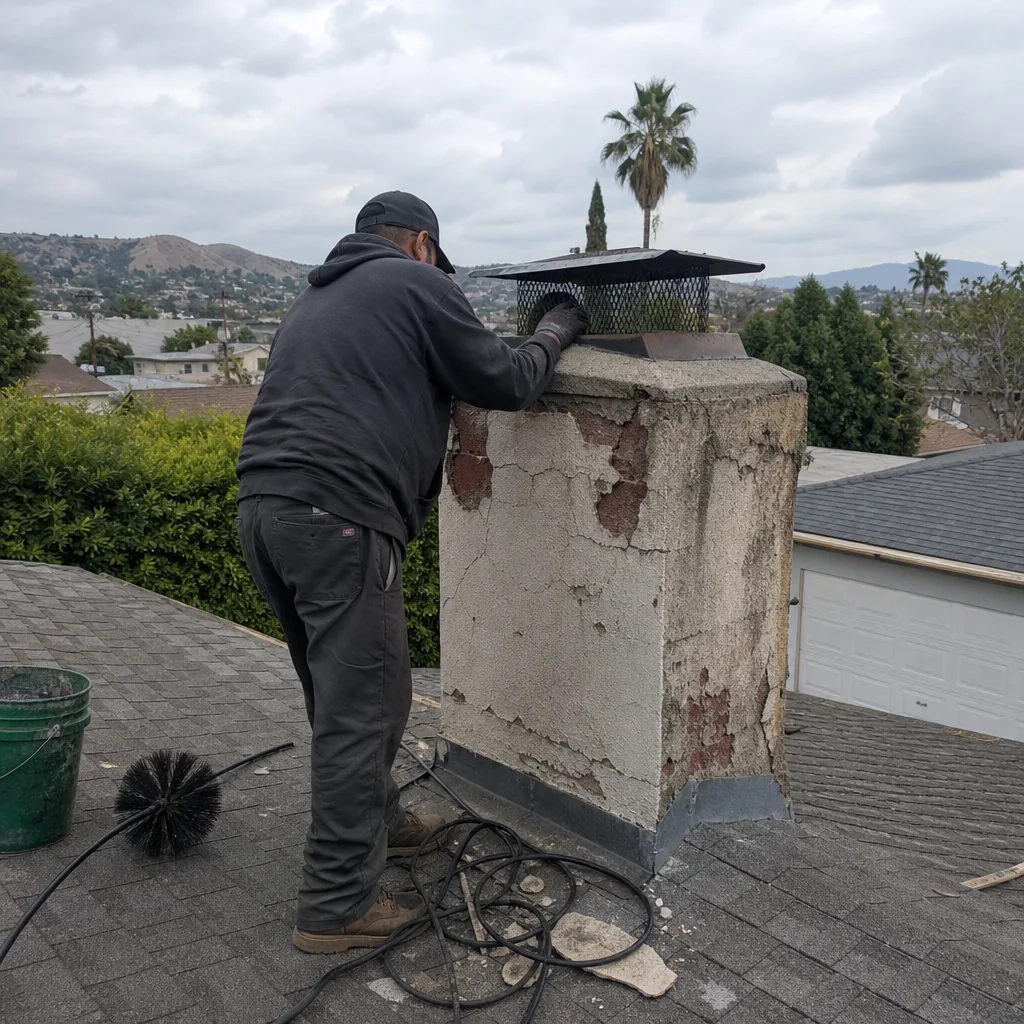
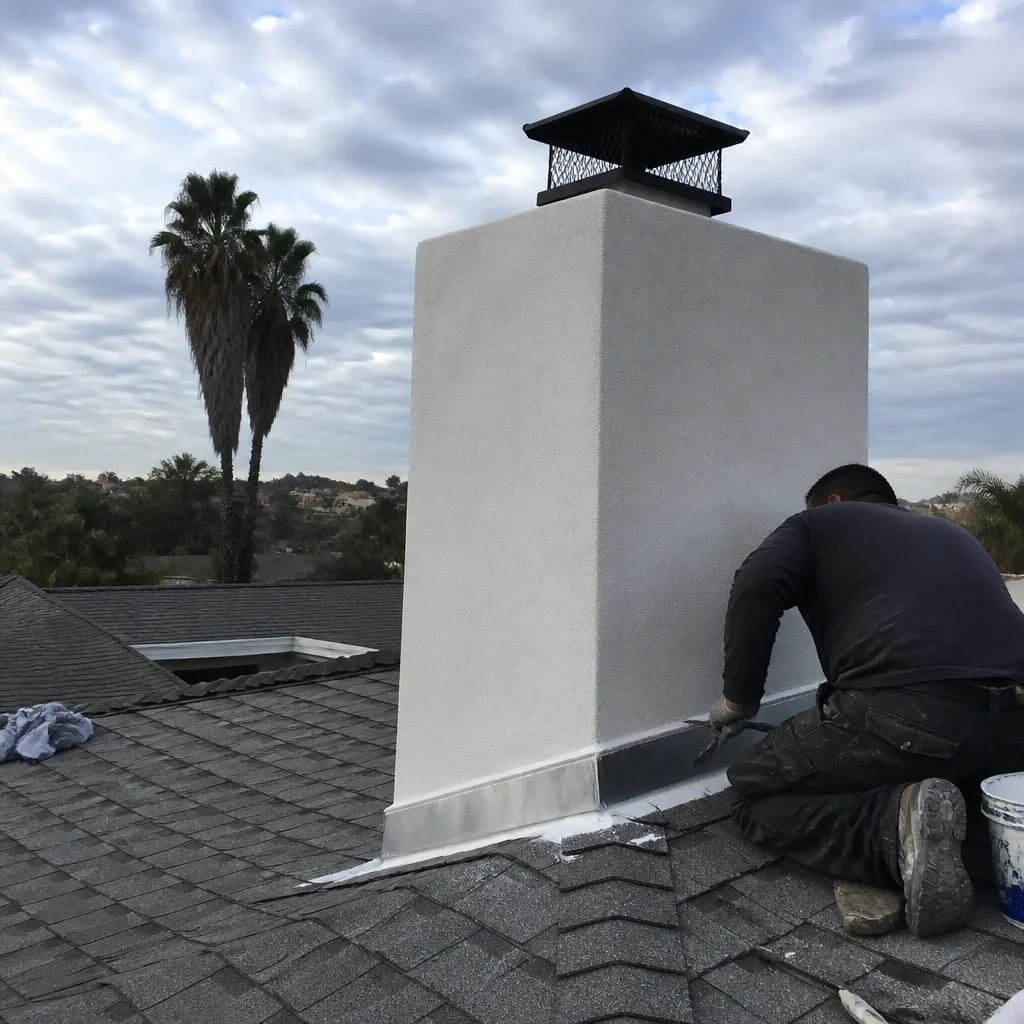
See the difference
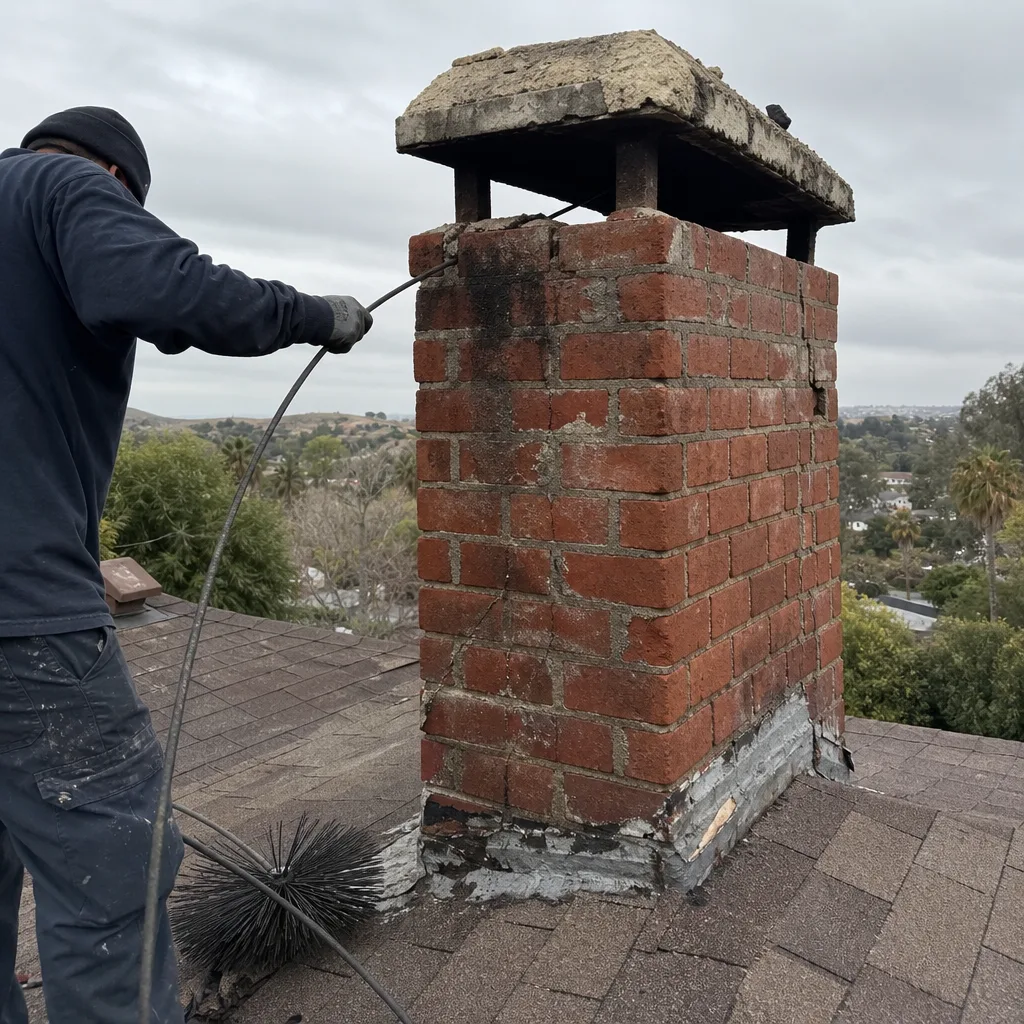 Before
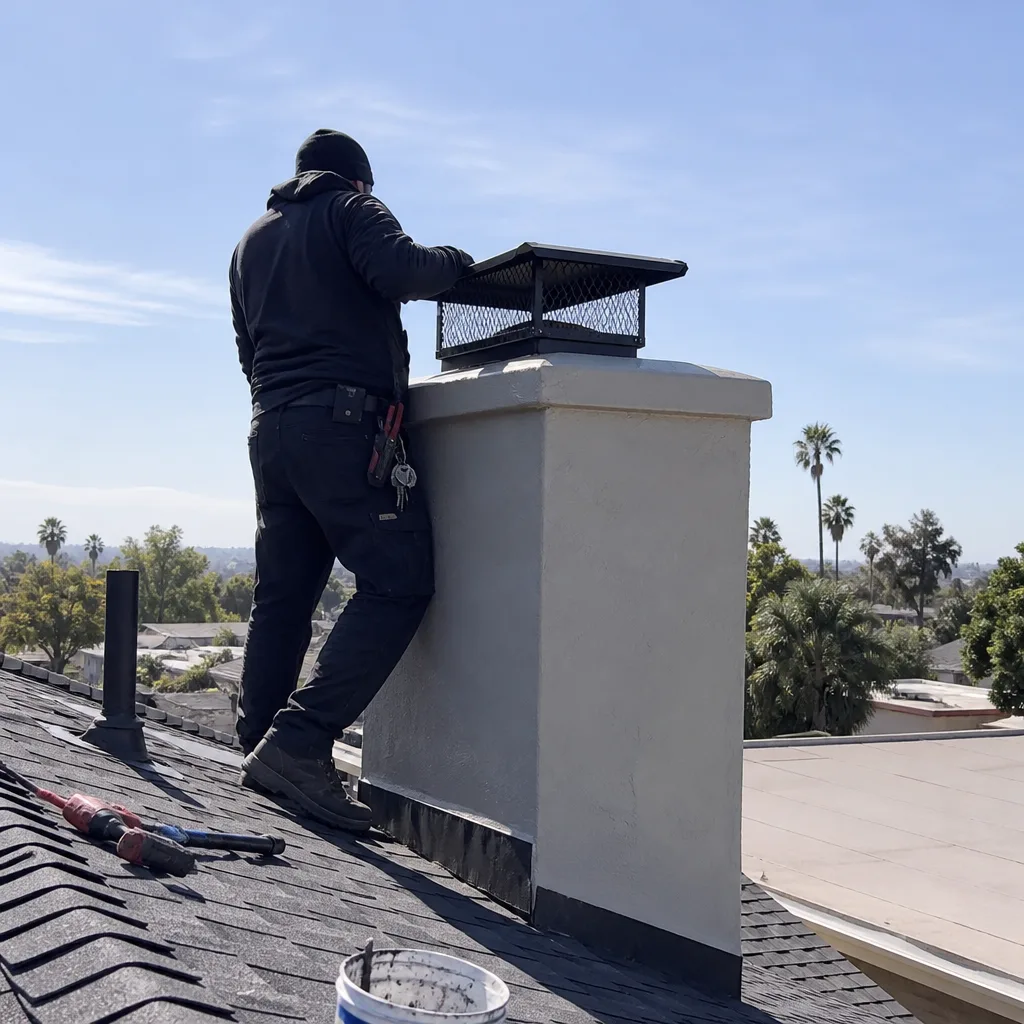 After
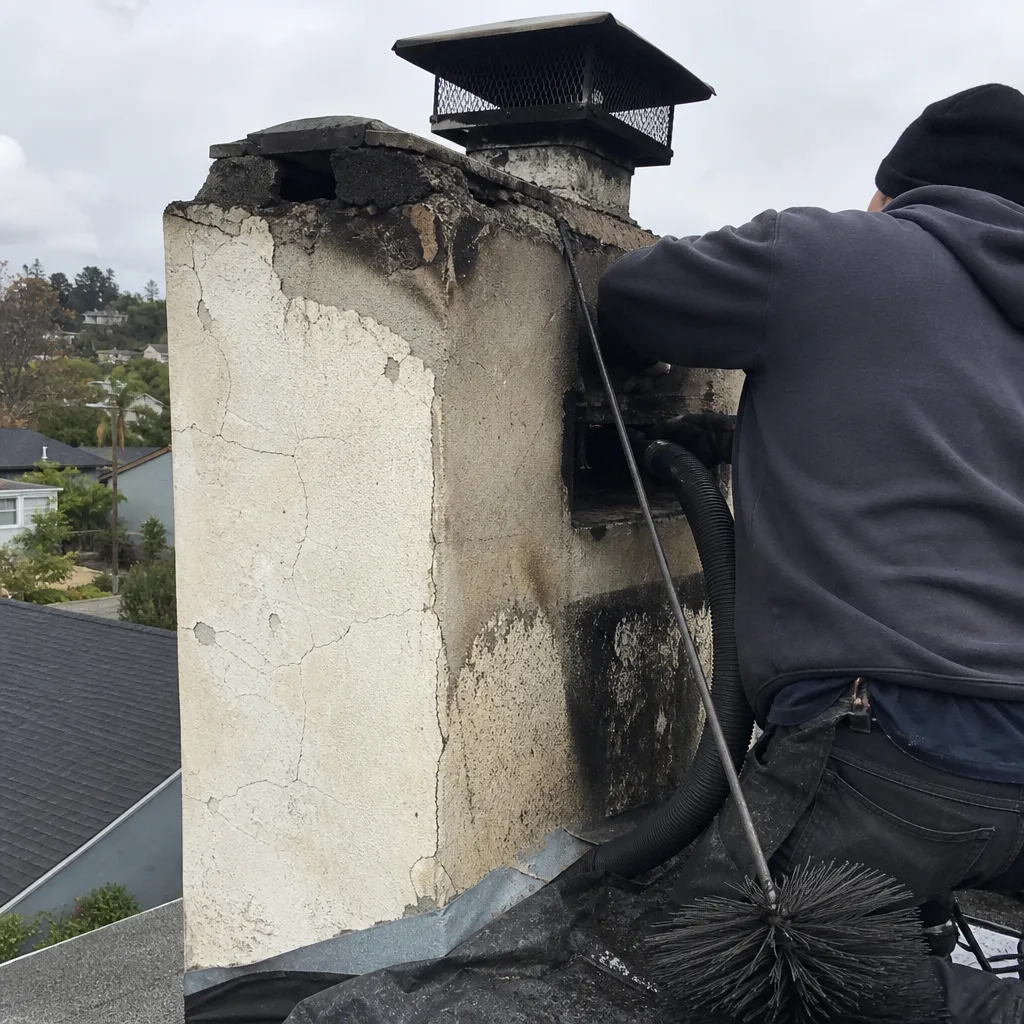 Before
 After
 Before
 After
When to Call a Professional
Some maintenance tasks are safe for homeowners, like monthly visual checks and damper operation testing. Others need a trained chimney sweep with the right equipment and safety gear. Call a professional if you see cracked or spalling masonry on the chimney exterior, if smoke spills into the room during startup, if you smell smoky odors during the summer months, if you suspect a bird or animal has been in the flue, or if your chimney has not been swept in more than two burn seasons. You should also call before making a liner decision. A camera inspection is the only way to determine whether a liner needs repair, restoration, or replacement, and making that call without visual evidence is guessing. Chimney Sweep Baldwin Hills offers free estimates in Baldwin Hills. Call (877) 752-4855 to schedule an inspection.
Frequently Asked Questions
A chimney in Baldwin Hills should be swept once per burn season, ideally in February or early March after the last fire. The National Fire Protection Association recommends an annual inspection and cleaning for wood-burning fireplaces, and the Baldwin Hills climate makes the post-season sweep more important than the pre-season sweep because summer humidity bonds with creosote residue and hardens it. If you burn more than twice a week during the October-to-February window, consider a mid-season sweep in December as well. Call (877) 752-4855 to schedule a sweep.
Chimney sweeping in Baldwin Hills typically costs between $150 and $300 for a standard open-flue fireplace with a single-story roof access. Two-story homes, steep roof pitches, and extended flue lengths push the price toward the higher end. Homes with significant creosote accumulation, pest debris, or liner inspection needs may require additional service time. A camera inspection usually adds $75 to $150 to the service call. For an exact quote, call (877) 752-4855. Estimates are free.
You only need a new liner if a camera inspection shows cracks, gaps, or erosion in the existing liner that compromises the system’s ability to contain combustion gases. A reputable sweep will always show you the camera footage and explain what the images show before recommending any liner work. In many cases, a deteriorating clay liner can be resurfaced with HeatShield ceramic liner instead of being fully replaced, which is a lower-cost option that restores the liner’s integrity. If a technician recommends liner work without showing you camera evidence, get a second opinion.
Skipping chimney maintenance in Baldwin Hills leads to a predictable sequence of problems. Creosote accumulates and hardens into a Stage 2 or Stage 3 glaze that requires chemical removal. The marine layer moisture absorbs into the creosote and accelerates mortar joint erosion. If the cap is missing or damaged, Santa Ana winds fill the flue with debris and pests move in during nesting season. By year three or four, the chimney often needs a liner restoration or replacement instead of a standard sweep. The total cost of deferred maintenance typically runs three to five times what regular annual service would have cost. Call (877) 752-4855 to get your chimney back on a maintenance schedule.
A properly sized chimney cap with a 3/4-inch mesh screen prevents nearly all bird and animal intrusion, but it requires proper installation and regular inspection. The cap must be sized to the flue dimensions, secured against high winds, and checked twice a year for damage. Galco and Olympia Chimney caps have held up well in Baldwin Hills service conditions, but even the best cap needs replacement after a severe Santa Ana wind event or a raccoon encounter. A cap is a mechanical device, not a set-it-and-forget-it solution.
Dryer vent cleaning addresses the same fire-safety concern as chimney sweeping: the removal of combustible residue from a heated exhaust system. Lint buildup in dryer vents is the leading cause of residential dryer fires, and the same homeowners who maintain their chimneys often overlook their dryer vents. We offer dryer vent cleaning in Baldwin Hills as a standalone service, so homeowners can consolidate fire-safety maintenance under one call. An annual dryer vent cleaning is the standard recommendation, with more frequent service for households that do heavy laundry loads year-round.
The Bottom Line
Baldwin Hills chimneys do not follow the national average maintenance schedule, and homeowners who use a generic fall-cleaning calendar miss the specific threats that this climate and geography create. The burn window runs from October through February, the Santa Ana wind window from September through November, the marine layer moisture season from May through September, and the pest nesting season from February through May. Each of those windows creates specific problems that are preventable with the right timing. Sweep in February, inspect the cap in August, treat the masonry with a vapor-permeable water repellent, and verify the liner with a camera inspection every few years. That’s the full year-round rhythm for a Baldwin Hills chimney, and it’s the difference between a maintenance bill and a structural repair.
Written by the team at Chimney Sweep Baldwin Hills, serving Baldwin Hills since 2015.