
Last updated November 2, 2026
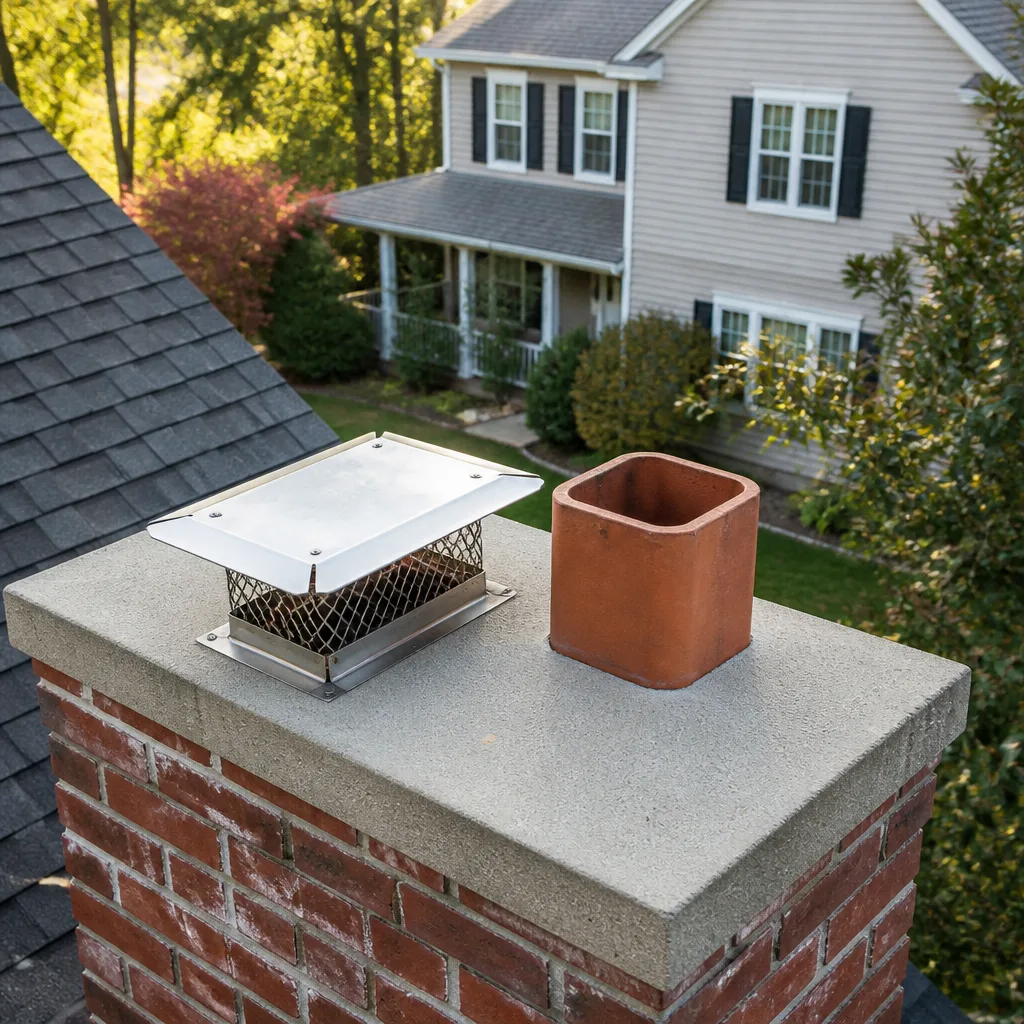 Sweep & inspection
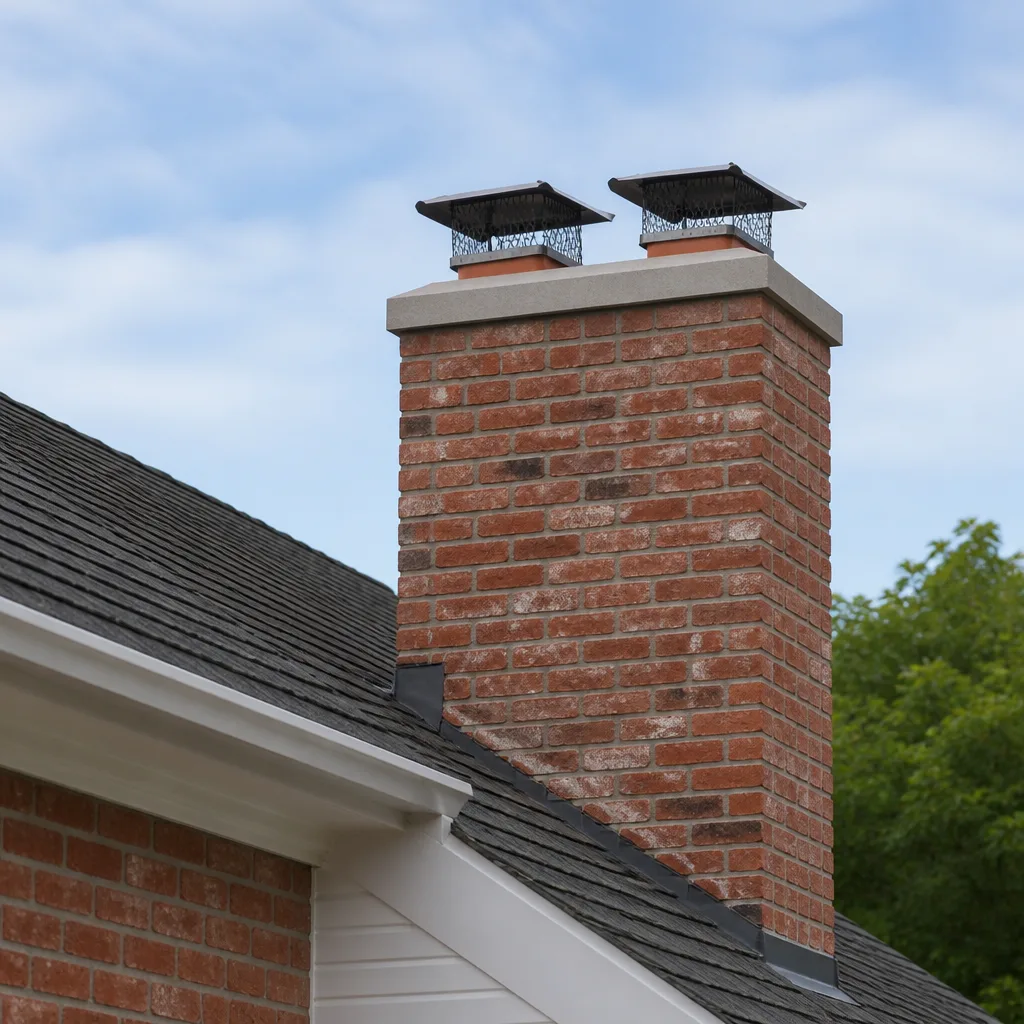 Caps & crowns
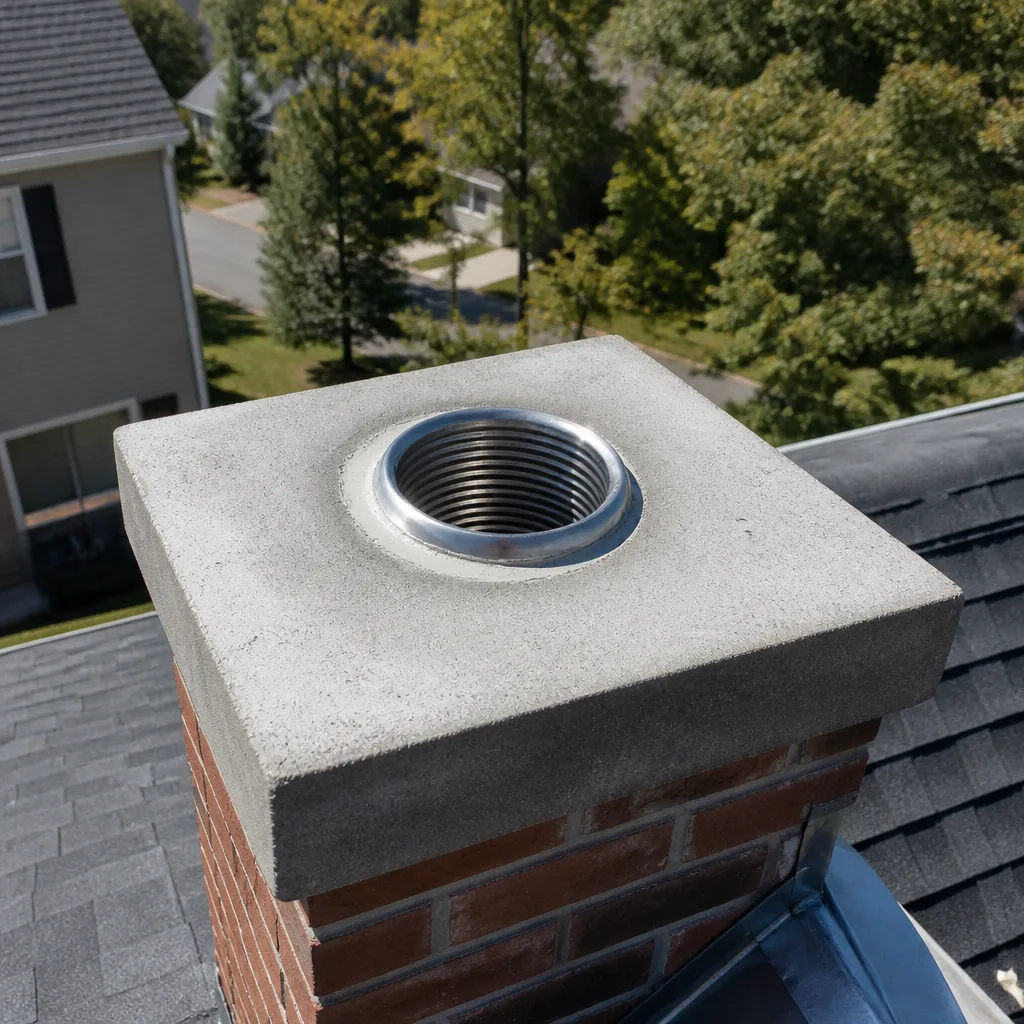 Flue relining
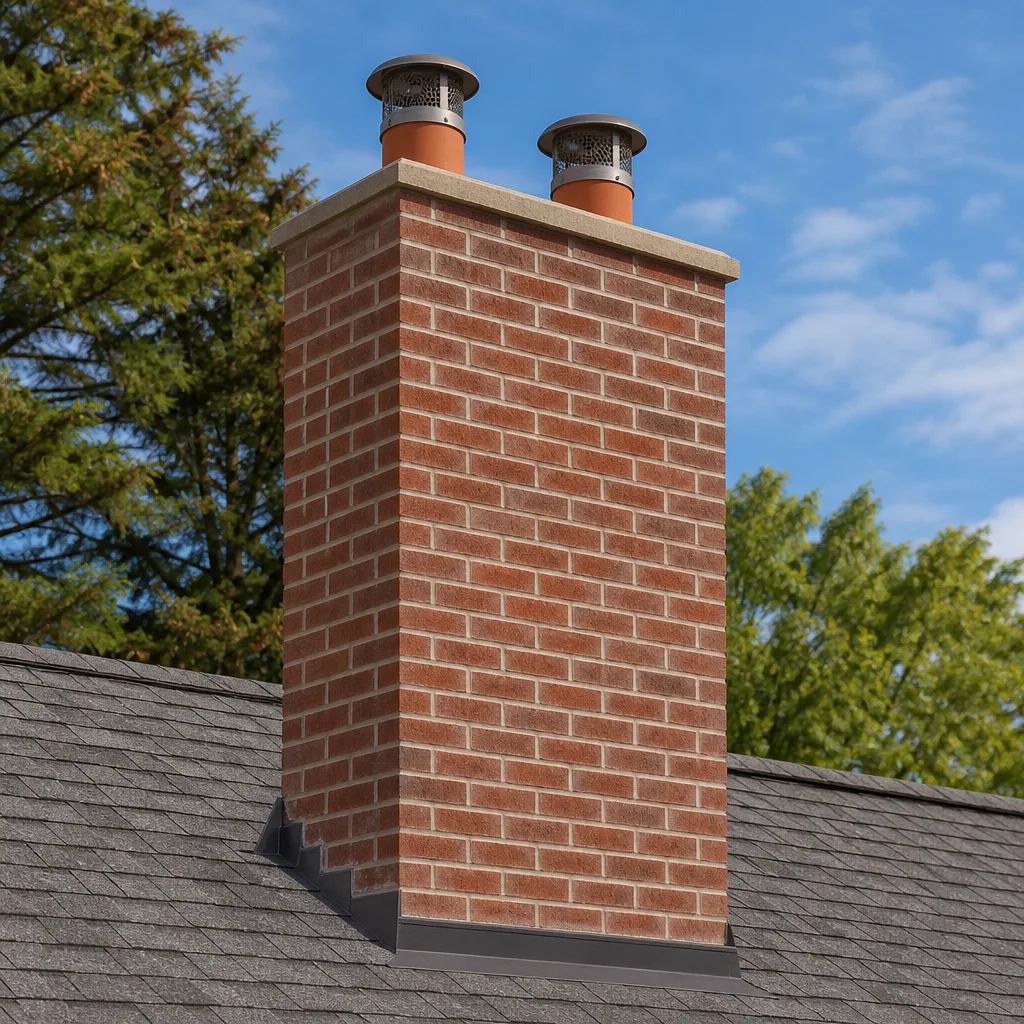 Masonry repair
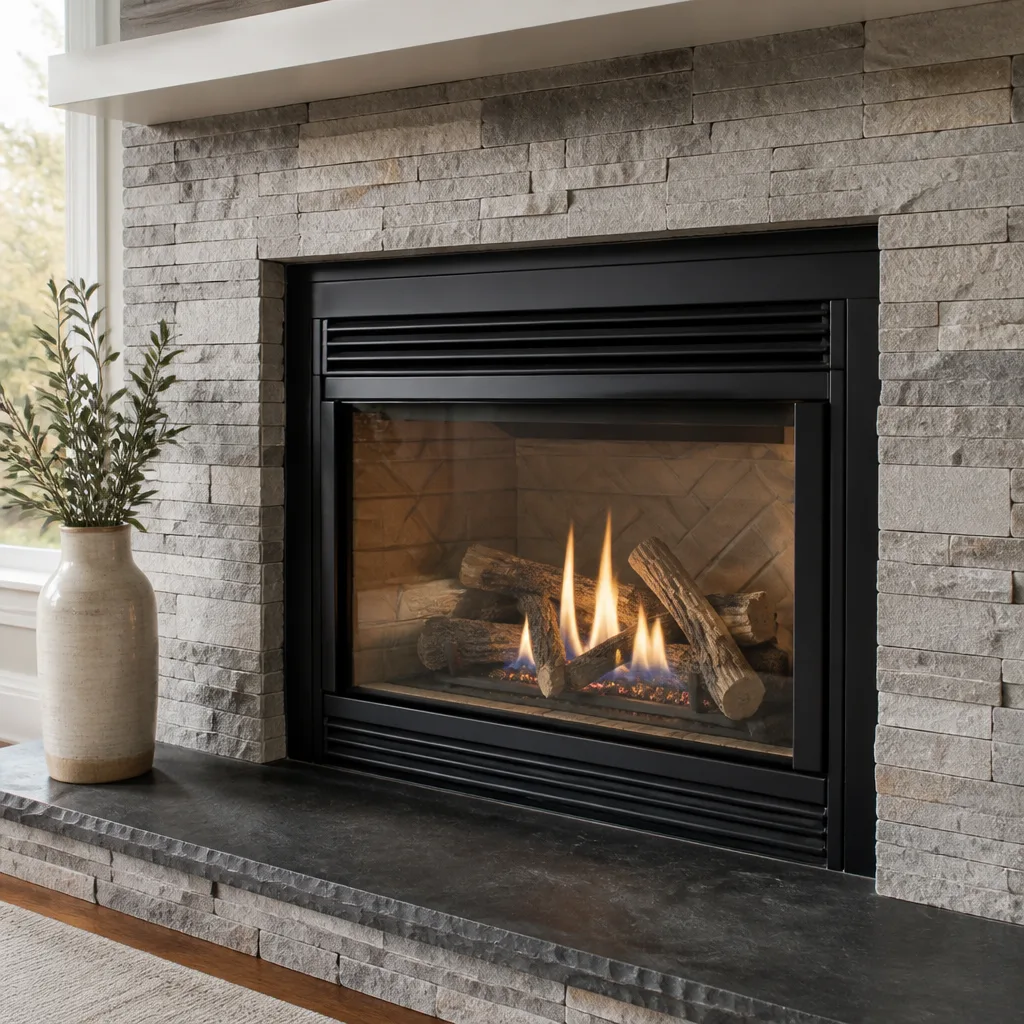 Gas fireplace service
Level 1 sweep and inspection to the NFPA 211 annual standard - flue, crown, cap, and flashing checked and photographed
Chimney sweep logs do not sweep chimneys. They loosen some creosote - which then falls where a brush and vacuum still have to collect it.
Chimney Sweep Troubleshooting: Common Problems and How to Fix Them
A smoky fireplace is not one problem. It’s at least seven different problems with seven different fixes, and the most common homeowner mistake is treating all of them with the same solution: opening the damper wider. In Baldwin Hills, where many homes were built between the 1940s and 1970s with masonry chimneys now entering their sixth or seventh decade of service, what starts as a subtle back-puff on a windy afternoon can signal anything from a clogged cap screen to structural flue damage. This guide gives you a system-by-system diagnostic framework so you can identify what you’re actually dealing with, describe it accurately to a professional, and catch deterioration before it compounds into a five-figure repair.
Quick Answer
Most chimney problems fall into five categories: draft failure, blockages, water intrusion, damper malfunction, and odor. Each presents with a distinct set of symptoms that can be diagnosed through visual inspection, odor identification, and simple behavioral tests. Smoke rollback, for instance, is usually caused by negative air pressure in the house or a cold flue, not a dirty chimney, while water staining on a ceiling near the fireplace almost always points to failed flashing or a compromised crown. Before attempting any fix, identify which system is failing, because misdiagnosis is the single most expensive mistake in chimney repair.
Styles & brands we work with
- Sweep & inspection
- Caps & crowns
- Flue relining
- Masonry repair
- Gas fireplace service
Table of Contents
- Smoke Rollback: The Seven Causes and Their Distinct Fixes
- Damper Diagnostics: Plate, Throat, and Top-Mount Failures
- Water Intrusion: Efflorescence, Spalling, and Mortar Erosion
- Odor as a Diagnostic Tool: Four Smells, Four System Failures
- Creosote: What Your Buildup Stage Says About Burn Habits
- DIY Repairs: What You Can Safely Fix and What You Absolutely Cannot
- The Dryer Vent Overlap: Symptoms That Mimic Chimney Problems
Smoke Rollback: The Seven Causes and Their Distinct Fixes
When smoke enters the living space instead of traveling up the flue, homeowners in Baldwin Hills tend to assume the chimney needs sweeping. Sometimes it does. But smoke rollback has at least seven distinct causes, each requiring a completely different intervention, and misdiagnosing the cause means paying for a fix that doesn’t work. Our Complete Chimney Sweep Guide for Baldwin Hills Homeowners breaks down when sweeping helps and when it won’t. We’ve walked into homes where a previous sweep had come and gone, the firebox spotless, and the smoke problem identical to before because the real issue was a negative-pressure kitchen exhaust fan competing with the fireplace for makeup air.
Here is the decision tree we use on every smoke-rollback call:
- Is the damper actually open? This sounds obvious, but in older Baldwin Hills homes with original cast-iron throat dampers, the lever mechanism can strip or detach so the handle moves while the plate stays shut. Verify visually with a flashlight. Look up from the firebox and confirm the damper plate is angled open, not just that the handle travels.
- Is the flue cold? Cold flue syndrome happens when the air inside the chimney is denser than the air in the room. That cold slug of air sits in the flue like a plug. When you light a fire, smoke rises until it hits the cold zone and stalls, spilling back into the room. The fix is preheating: hold a lit rolled-up newspaper torched near the open damper for 60 to 90 seconds before lighting the main fuel. This reverses the pressure differential. If preheating doesn’t fix it, move to the next test.
- Is a competing appliance pulling air out of the room? A kitchen range hood venting outside, a bathroom fan, or even a clothes dryer running can create negative pressure inside the house. The house then sucks air down the chimney to balance itself, and that downdraft carries smoke with it. Test this by opening a window near the fireplace an inch or two. If the rollback stops, the issue is house tightness, not the chimney at all. The permanent fix is a combustion air intake or make-up air system, not a chimney repair.
- Is the flue sized correctly for the firebox opening? A flue that’s too small for the firebox will always smoke, no matter how clean it is. The classic ratio is 1:10 – flue cross-sectional area should be at least one-tenth the fireplace opening area. Many mid-century Baldwin Hills homes were built with generous fireplace openings and undersized flues to save brick. If preheating and window-cracking don’t help, flue sizing becomes a suspect. The fix is either a smaller fire, glass fireplace doors, or a flue liner that improves draft velocity.
- Is there an actual blockage? Bird nests, raccoon debris, dead squirrels, leaf accumulations, or collapsed flue tiles can obstruct the path. In Baldwin Hills, the biggest culprits are pigeons and squirrels nesting in uncapped flues. If the chimney hasn’t been swept in more than two years, and particularly if you hear scratching sounds, a blockage moves way up the probability list. This requires a professional sweep and likely a cap installation after the obstruction clears.
- Is the chimney terminating in a wind pressure zone? If an addition was built next to the chimney, or a tall tree now towers over the roofline, or the chimney sits on the leeward side of a dominant slope, wind can press downward into the flue. The fix is usually a vacuum cap, taller flue extension, or wind-dispersing cap design.
- Is the flue liner itself failing? When clay tile liners crack and spall, they create rough surfaces and constrictions that destroy draft. This is also a fire hazard because gaps expose combustible framing to flue gases. If the symptom appeared gradually over multiple seasons and the chimney is over 30 years old, a camera inspection is the only way to confirm. Repair options range from stainless steel relining with a product like DuraFlex to resurfacing with HeatShield ceramic, which restores the flue interior without teardown.
The takeaway: most rollback calls are not solved by sweeping. They’re solved by diagnosis. If you’re not sure which of these is your problem, a free estimate from Chimney Sweep Baldwin Hills includes the specific test sequence outlined above. We don’t sweep a smoky fireplace until we know why it’s smoky.
Damper Diagnostics: Plate, Throat, and Top-Mount Failures
Dampers fail in predictable ways, and identifying which type you have is the first step. Most homes in Baldwin Hills have one of three damper configurations: a cast-iron throat damper (the flat plate just above the firebox), a butterfly-style throat damper with a center pivot, or a top-mount damper installed at the flue terminus. Each fails differently.
Cast-iron throat dampers are the most common in homes built before 1980. You identify them by the flat plate and a lever mechanism, usually either a rotary handle on the fireplace face or a poker-style lever inside the firebox. Failure mode one: the plate rusts and seizes in position, either open or shut. Failure mode two: the lever arm detaches from the plate because the cotter pin rots away. Failure mode three: the plate warps from heat cycling and no longer seals flush, leaving a permanent gap that lets heated air escape the house in winter and lets down-drafts enter in summer. A warped plate that won’t seat needs replacement, not adjustment, and running a fire with a partially failed damper forces your HVAC system to work against a permanent air leak.
Top-mount dampers, like the Lyemance or Lock-Top designs, sit on the flue opening at the crown and seal with a rubber gasket pulled tight by a cable that runs down the flue to a bracket mounted on the firebox wall. Failure mode one: the cable stretches or the spring weakens, preventing a tight seal, which you’ll notice as persistent cold air entry in winter. Failure mode two: the gasket degrades from UV exposure and heat, losing its airtight seal. Failure mode three: the cable housing pulls loose from the masonry because the anchor screws were set in mortar joints rather than brick face. From the firebox, you can check cable tension, bracket security, and whether the cable travels smoothly. But you cannot visually assess the seal itself without climbing onto the roof. If the bracket feels loose in the wall, do not tighten it yourself and call a professional. A damper that seems functional but isn’t sealing costs you money in heating and cooling losses every month, and many Baldwin Hills homeowners discover the issue only when the summer flue-stench picks up.
The most frequently overlooked problem: a damper that closes fully but is installed without a measurable gap for combustion air. Modern building codes require a damper that permits some airflow, so if you have gas logs or a gas insert, the damper must never seal completely while the appliance operates. That’s a carbon monoxide hazard. If you’ve recently had gas logs installed and immediately noticed new draft problems, that’s the likely cause.
Water Intrusion: Efflorescence, Spalling, and Mortar Erosion
Water is the single most destructive agent in residential chimneys, and in Baldwin Hills, the marine layer combined with winter rain creates a near-constant moisture cycle. We see three distinct water-related signatures on chimney masonry, and each tells a different story about the location and severity of water entry.
Efflorescence staining is the white, powdery, chalk-looking deposit that forms on brick faces or the chimney’s interior firebox walls. It’s formed when water carries soluble salts through the masonry, deposits them on the surface, and evaporates. Efflorescence itself is not structural damage, but it is a consistent early warning that water is moving through the masonry. If you see it on an exterior wall, water is getting into the brick. If you see it inside the firebox after rain, water has already penetrated deep enough to reach the flue path. The first step is always the same: identify where water enters, which is usually the crown, flashing, or brick face itself. Efflorescence that appears only after heavy rain and disappears in dry weather suggests a flashing leak. Efflorescence that persists year-round points to a cracked crown or porous brick face that’s absorbing moisture from ambient humidity.
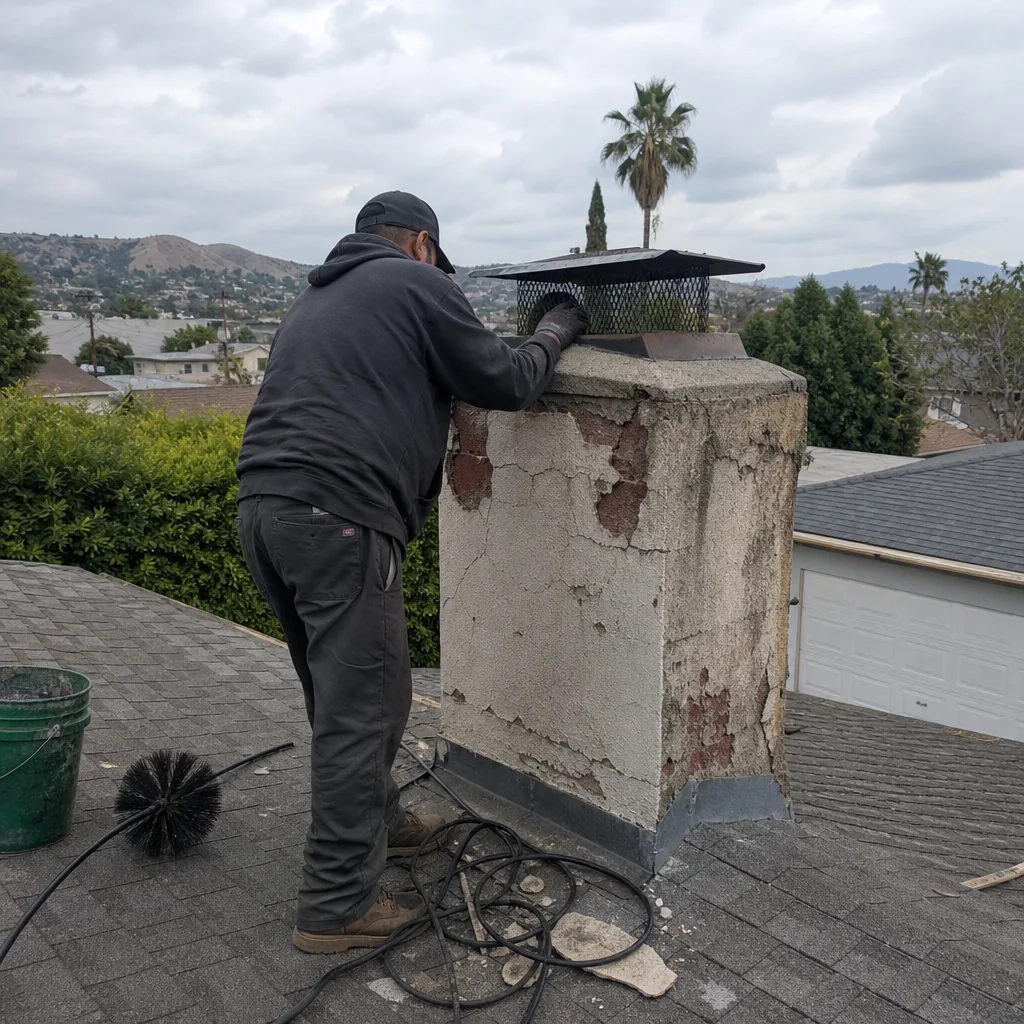
Spalling is when the brick face literally shears off in flakes or chunks. This is water damage reaching the destruction phase. Water inside the brick expands and contracts with temperature cycles. In Baldwin Hills, where day-night temperature swings are moderate but rain followed by dry heat is common, the freeze-thaw cycle is less the culprit than salt crystallization pressure inside the brick. Once spalling starts, it accelerates. Losing brick face reduces the structural cross-section, and a chimney in this state cannot be repaired with sealant. Spalled bricks must be replaced. If spalling is occurring near the top of the chimney where it meets the crown, it’s likely the crown has failed and is funneling water into the top rows. If spalling is occurring near the roofline, suspect failed step flashing.
Mortar joint erosion is the third signature, and it’s the easiest to spot from the ground. Look at the mortar lines between bricks. If they’re recessed, crumbling, or absent in sections, water is entering through every compromised joint. Repointing, the process of cutting out and replacing the top 3/4 inch of mortar, is the fix. It requires matching the original mortar’s composition, which for mid-century Baldwin Hills homes often means a higher lime content than modern bagged mortar. Getting this wrong is a common DIY failure: modern Portland-cement-heavy mortar sets harder than the surrounding brick, so when the brick moves, the mortar doesn’t, and the brick face pops off. That’s how a $40 tub of repair mortar becomes a $2,000 masonry restoration.
One more urgent note: if water is running through the flue interior, you’ll see it in the firebox after rain. That’s not a masonry issue. It’s a failed cap or a cracked crown. In an uncapped flue, rain enters directly and can pool at the smoke shelf, saturating the trap area and creating the persistent musty smell so common in older homes in this area.
Odor as a Diagnostic Tool: Four Smells, Four System Failures
Your nose is one of the best diagnostic instruments you own, and a chimney that smells bad is trying to tell you something specific. The odor type maps to the system failure with surprising reliability. We recommend homeowners learn to categorize chimney odors because it dramatically improves the quality of information you can provide to any professional, and it often identifies problems before they become visible.
The creosote smell is acrid and tarry, like burnt asphalt mixed with old campfire. It’s strongest on hot, humid summer days when the chimney structure heats up. This smell means creosote buildup inside the flue is evaporating volatile compounds and pushing them into the house, typically through the damper or cracks in the flue interior. In Baldwin Hills, where summer inversions trap moisture near the hillside, homes near the crest get this smell intensely because relative humidity stays high, accelerating creosote volatilization. The fix is a sweeping, but the deeper question is why creosote accumulated that much. If the smell is strong every summer, the flue is either undersized for the firebox, causing low-temperature smoldering that deposits creosote quickly, or the burning habits involve green or unseasoned wood. This is a maintenance-plus-behavior issue, not just a cleanliness one.
The mildew smell is earthy, damp, basement-like. It’s most noticeable when the fireplace is not in use, particularly in the morning when the house warms. This smell points to water infiltration. Moisture has entered the flue or firebox and organic material, usually leaves or nesting debris, is decomposing in the damp environment. Where the mildew smell persists year-round, suspect a cracked cap, failed mortar, or missing cricket flashing on the roof-to-chimney junction. A sweep can remove the debris, but if the water entry point isn’t repaired, the smell returns in a matter of weeks.
The animal smell is unmistakable: ammonia-like, musty, sometimes with a decay note if something has died in the flue. In Baldwin Hills, squirrels and pigeons are the most common chimney intruders. If you hear scratching, chirping, or flapping in the evenings, something is living in your flue or smoke shelf. A nest wedged in the flue is both a smell source and a serious fire hazard because nesting material is highly ignitable. The fix is removal plus a certified cap with appropriate mesh sizing. This is not a DIY removal job; wildlife in chimneys can carry mites and disease, and removal is regulated in Los Angeles County. The remedy matters less than the prevention: Chimney Repair in Baldwin Hills addresses recurring animal intrusion by matching the cap design to the flue shape and prevailing wind exposure specific to the hillside terrain.
The gas-smell profile is a different category entirely: not a chimney odor in the conventional sense, but a draft problem. If you have a gas fireplace, gas logs, or a gas water heater venting into the same flue, and you smell a faint rotten-egg or sulfur odor near the firebox when the appliance cycles on, that’s unburned or incompletely combusted gas being pushed backward by a failed draft. Leave the house if the smell is strong, but if it’s a faint intermittent odor that appears only when the furnace or water heater runs, the issue is almost always a draft reversal caused by negative pressure. The fix is make-up air or a draft-inducing cap, not a new gas valve. If the smell is strong or persistent, treat it as a gas emergency and call your utility provider. Do not operate the appliance in the meantime.
Creosote: What Your Buildup Stage Says About Burn Habits
Creosote forms in three stages, and they’re useful to know because each stage tells a different story about your burning practices and flue conditions. We photograph every flue during inspection precisely so a homeowner can see what stage they’re at, because you cannot diagnose a flue you cannot see.
Stage 1 creosote is a fine, sooty, gray or brown powder. It brushes off easily with standard sweeping equipment. It’s normal, it’s expected, and it develops in any flue with regular wood burning. Stage 1 is not an urgent condition, but it should be removed before it accumulates into a layer thick enough to ignite.
Stage 2 creosote is flaky and shiny, like black cornflakes adhered to the flue walls. It forms when flue temperatures are lower, often because the fire is smoldering rather than burning hot, or because the wood is not fully seasoned. Stage 2 requires more aggressive mechanical removal with rotary tools, and at this stage you’re beginning to burn less efficiently because the flue diameter is being reduced. If Stage 2 creosote develops within a single burn season, the issue is either wet wood, an oversized firebox for the flue, or a damper run closed for too long during initial ignition.
Stage 3 creosote is a dense, tar-like glaze that hardens into a shiny coat on the flue interior. It’s extremely difficult to remove mechanically and presents a serious chimney-fire fuel load. Stage 3 almost never develops in a single season unless a homeowner burns green wood continuously or operates the fireplace with the damper partially closed. At Stage 3, a standard brush sweep may not be enough. In some cases, the flue requires chemical treatment or the liner may need resurfacing if the glaze has begun to deteriorate the underlying clay. HeatShield ceramic resurfacing is specifically designed for this situation: it restores continuity to a flue interior that’s been degraded by repeated creosote fires and corrosion, and it’s a repair we’re equipped to perform, not sub-contract out.
The practical takeaway: if you’re burning in a fireplace in Baldwin Hills during the wet season, use seasoned hardwood with a moisture content below 20 percent, start with small hot fires rather than one log trying to smolder, and have the flue checked after every cord and a half of wood. That’s the interval where most homes in this climate hit a measurable creosote increase worth removing.
DIY Repairs: What You Can Safely Fix and What You Absolutely Cannot
There’s a persistent myth that chimney repair is a homeowner-accessible project because the materials are sold at big-box stores. In reality, the split between safe DIY work and professional-only work is clear and bright-line, and we’d rather tell you what not to touch than watch a well-intentioned repair become a structural problem. Here is the honest breakdown.
Safe DIY items:
- Damper preheating and maintenance: A cast-iron throat damper benefits from light wire-brushing and a high-temperature graphite lubricant on the pivot points. This will not fix a warped plate or detached lever, but it will keep a functioning damper functioning.
- Firebox surface repairs using refractory cement: Products like Meeco’s Red Devil refractory cement are appropriate for hairline surface spalls in the firebox, where the damage is cosmetic and the firebox’s structural layer is intact. The key phrase is surface. If the firebox floor has cracks deeper than 1/4 inch, or if you can wiggle a firebrick by hand, that’s not a cement job. That’s a rebuild.
- Cap screen inspection from the ground: You can often see a clogged cap screen from the yard with binoculars, and identifying that a screen is clogged requires no altitude. Removing that cap for cleaning is typically not a ground-accessible task unless you have safe roof access, proper safety gear, and a second person present. For most homeowners, observing the issue is the DIY part, and calling for removal is the professional part.
- Creosote monitoring: You can shine a flashlight up the flue from the firebox and get a partial view of buildup. You won’t see the full flue length, but Stage 1 vs. Stage 3 is often distinguishable from the bottom. If the walls look shiny and black rather than powdery, you’ve got a glaze situation and should not defer the call.
Professional-only items (do not attempt, regardless of what YouTube suggests):
- Flue liner inspection and repair: You cannot properly see the upper two-thirds of a flue without a camera. A cracked clay tile in the middle of the flue is invisible from both the roof and the firebox and is the single most missed defect in amateur chimney assessment. Our company uses a camera inspection on every service call because we’ve seen too many flues that looked fine from above and below and were structurally compromised in the middle. HeatShield and DuraFlex repairs require equipment and certification beyond the typical homeowner’s range, and they’re installed to specific UL-listing standards.
- Crown repair: A cracked crown is not a caulk job. The crown has to be removed and re-poured with the correct slope and overhang, and the mix has to be rated for exterior exposure with specific aggregate and expansion characteristics. Silicone caulk on a crown lasts about one season, delays the real repair, and makes the eventual crown removal messier because the failed caulk has to be mechanically stripped first.
- Flashing replacement: Step flashing and counterflashing must be integrated into the roof shingle courses. Getting this wrong causes a leak that mimics a chimney leak, and it often takes a roofer half a season to trace the actual water path. If water appears on the ceiling near the chimney after rain, assume flashing until inspection proves otherwise, and don’t climb on the roof yourself. Steep-pitch roofs, which are common on Baldwin Hills hillside lots, make this work genuinely dangerous for anyone without roof-specific safety training and fall protection.
- Animal removal: As mentioned, live animal removal from a flue is regulated, risky, and not something to DIY with a broom and a garbage bag. It’s also a task where improper removal creates a worse problem: an animal that dies in the flue creates an odor issue and a biohazard cleanup requirement that far exceeds the original removal cost.
One more DIY warning that comes up often in our line of work: homeowners applying waterproofing sealant to exterior brick as a fix for efflorescence. If the brick has active water infiltration from a failed flashing or cracked crown, sealing the exterior traps water inside the masonry. In the summer heat, that water turns to vapor and pushes outward, accelerating spalling. Sealant is the last step in a water-intrusion repair, not the first.
The Dryer Vent Overlap: Symptoms That Mimic Chimney Problems
Here’s a diagnostic overlap that catches many Baldwin Hills homeowners off guard: a dryer vent and a chimney share a common airspace in the house, and a clogged dryer vent can produce symptoms you’d attribute to the chimney.
The most common overlap is a burning smell during dryer operation that gets mistaken for a fireplace issue, especially in homes where the laundry room is adjacent to the chimney chase. Lint accumulation inside the dryer vent reduces airflow, the dryer element runs hotter, and the heating elements scorch accumulated lint. The smell moves through shared wall cavities. If the smell appears only when the dryer is running, it’s not the chimney. It’s the vent.
The second overlap is a house that feels drafty or smoky when the fireplace is lit and the dryer runs simultaneously. The dryer is a powerful exhaust fan. A standard residential dryer moves about 200 cubic feet per minute of air. Running that while a fire is burning in the next room creates exactly the negative-pressure condition described in the smoke rollback section. If smoke only rolls back when the dryer is on, the chimney isn’t the problem. The house’s air balance is, and the fix is dedicated make-up air or simply not running the dryer during a fire.
This is why we offer Dryer Vent Cleaning in Baldwin Hills as a core service, not an add-on. A blocked dryer vent is a leading cause of residential appliance fires, and many of the homes in this area have long vent runs that were installed when dryers moved less air. The lint and moisture profile from an older vent makes inspection a safety task, not a performance one. If your dryer takes longer than 45 minutes to dry a standard load, or if the laundry room feels humid during operation, or if the vent hood outside isn’t visibly opening and closing with airflow, schedule an inspection. This isn’t a chimney symptom, but it’s the same level of fire-safety vigilance, and it’s one call to handle both systems under one roof.
For readers wanting a broader overview of what a full-service chimney maintenance visit includes, our Chimney Sweep Baldwin Hills home page covers the complete scope: what gets inspected, what gets cleaned, what the camera shows, and what we document for you.
Common Mistakes to Avoid
- Opening the damper wider to fix rollback. The damper is either open or it isn’t. “Wider” is not a draft adjustment. If a wide-open damper still lets smoke in, the problem is elsewhere, and continuing to burn through the smoke only deposits more creosote on a flue that’s already underperforming.
- Scheduling a sweep without a camera inspection. A brush sweep removes creosote. It does not reveal cracked tiles, deteriorated mortar joints, animal damage, or a failing liner. If the company you hire doesn’t put a camera up the flue, you’re getting half a service. In Baldwin Hills, with the concentration of pre-1980 masonry chimneys, skip-the-camera sweeps are how latent fire hazards go undetected for decades.
- Sealing the exterior brick to chase away efflorescence. As covered above, sealing active water infiltration traps moisture and accelerates spalling. Fix the water entry point, then address the cosmetic deposit.
- Burning green or unseasoned wood to save money on fuel. Green wood burns at lower temperatures and produces dramatically more creosote. In this climate, where the marine layer adds ambient humidity, green wood creates an even bigger creosote load because the moisture can’t escape the flue efficiently.
- Ignoring a summer chimney smell as normal. It is common, but it is not normal. The creosote smell in August is the chimney telling you something about buildup or liner condition, and the house-wide mildew smell after rain is telling you about water entry. Both get more expensive to fix the longer they’re deferred.
- Assuming a new house means a safe chimney. We’ve inspected homes in Baldwin Hills that had never had a fire in them and found flue tile cracks from settlement or construction debris left in the flue. Age is a risk factor, not a guarantee.
- Trying to remove an animal nesting in the chimney with a fire. This one should go without saying, but it shows up in search results and old-timer advice enough that we feel obligated to include it. Burning out a nest is how structure fires start. The nest compresses into a plug, the fire below it superheats, and the result is a chimney fire fed by a mass of dry organic material at the perfect ignition point.
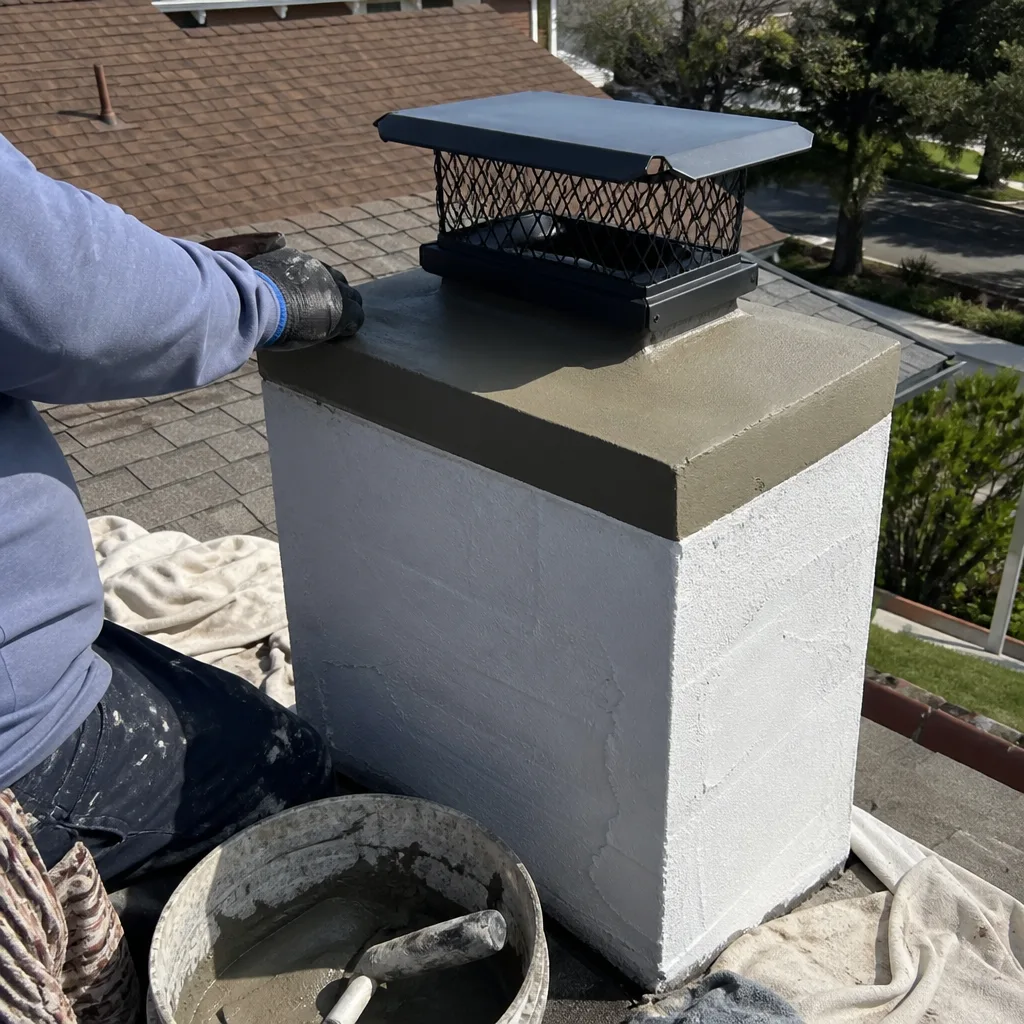
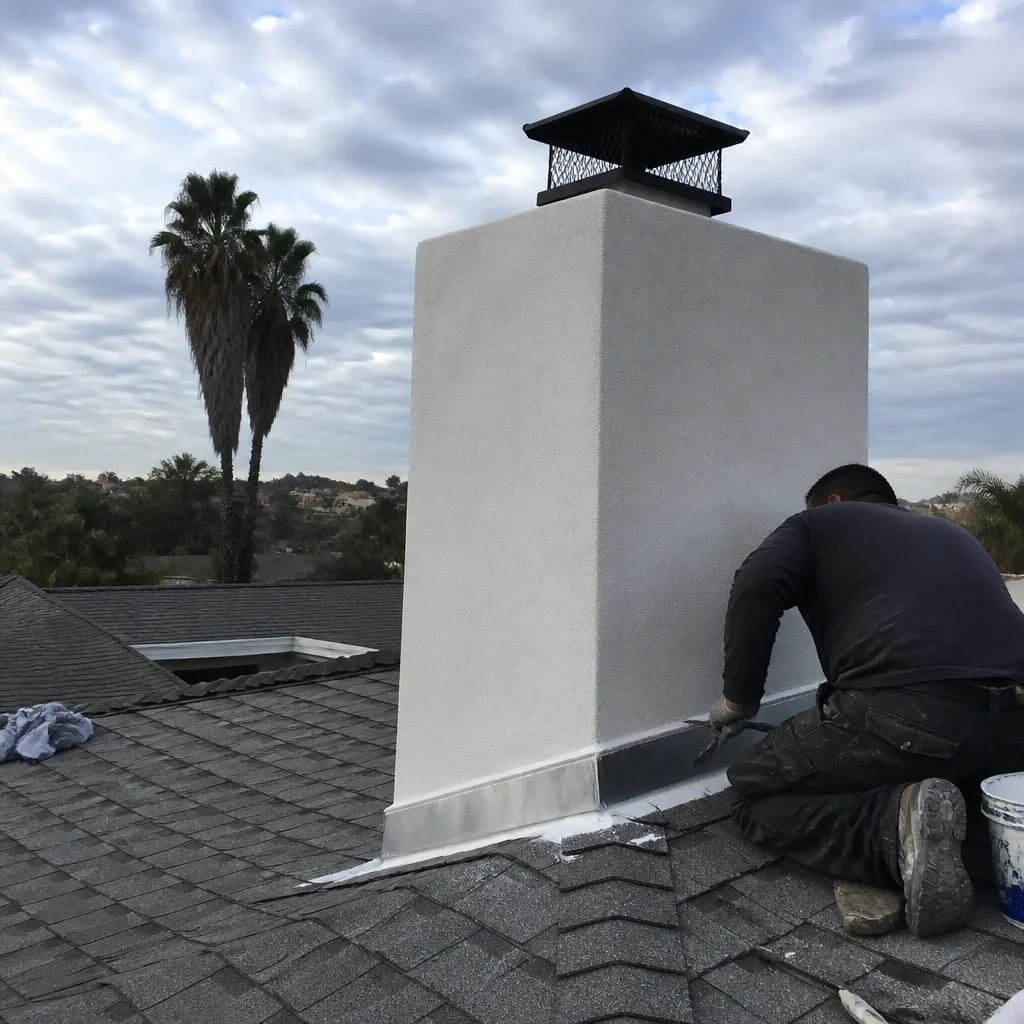
See the difference
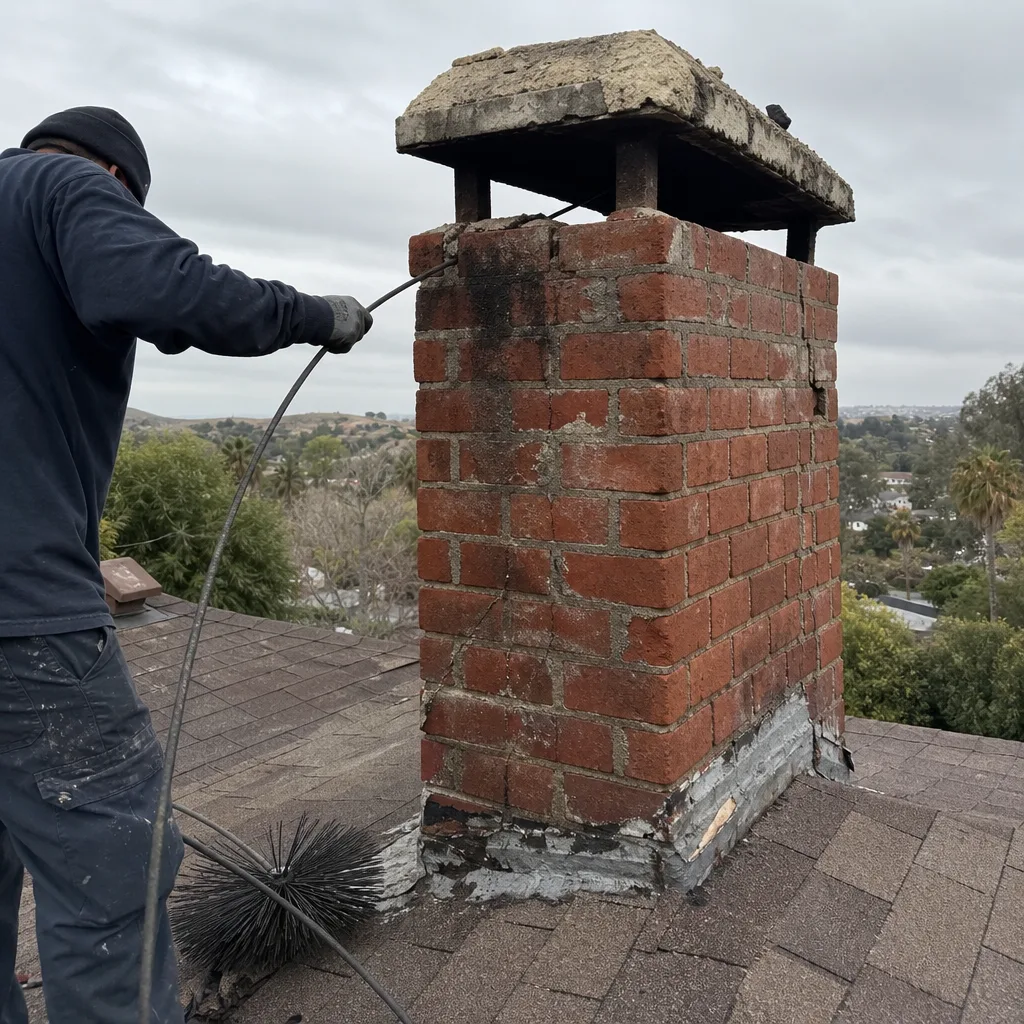 Before
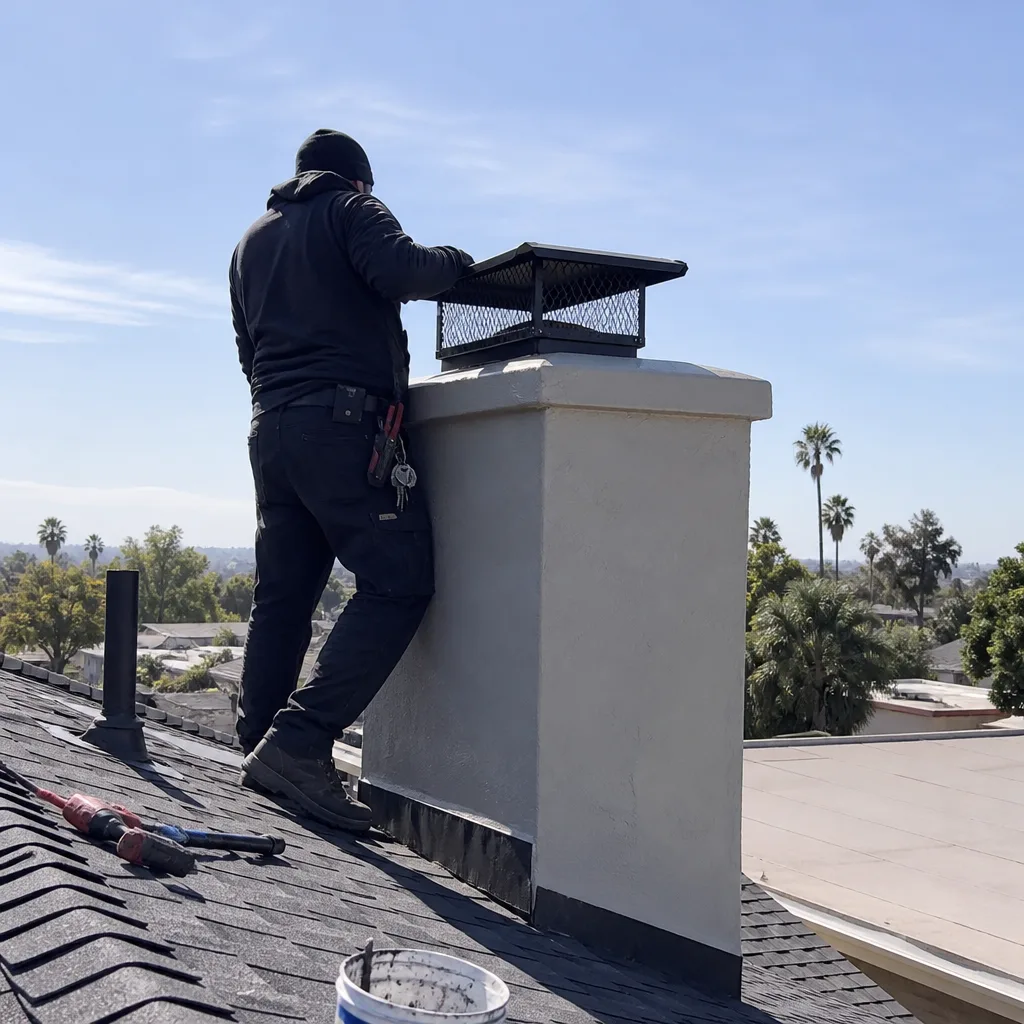 After
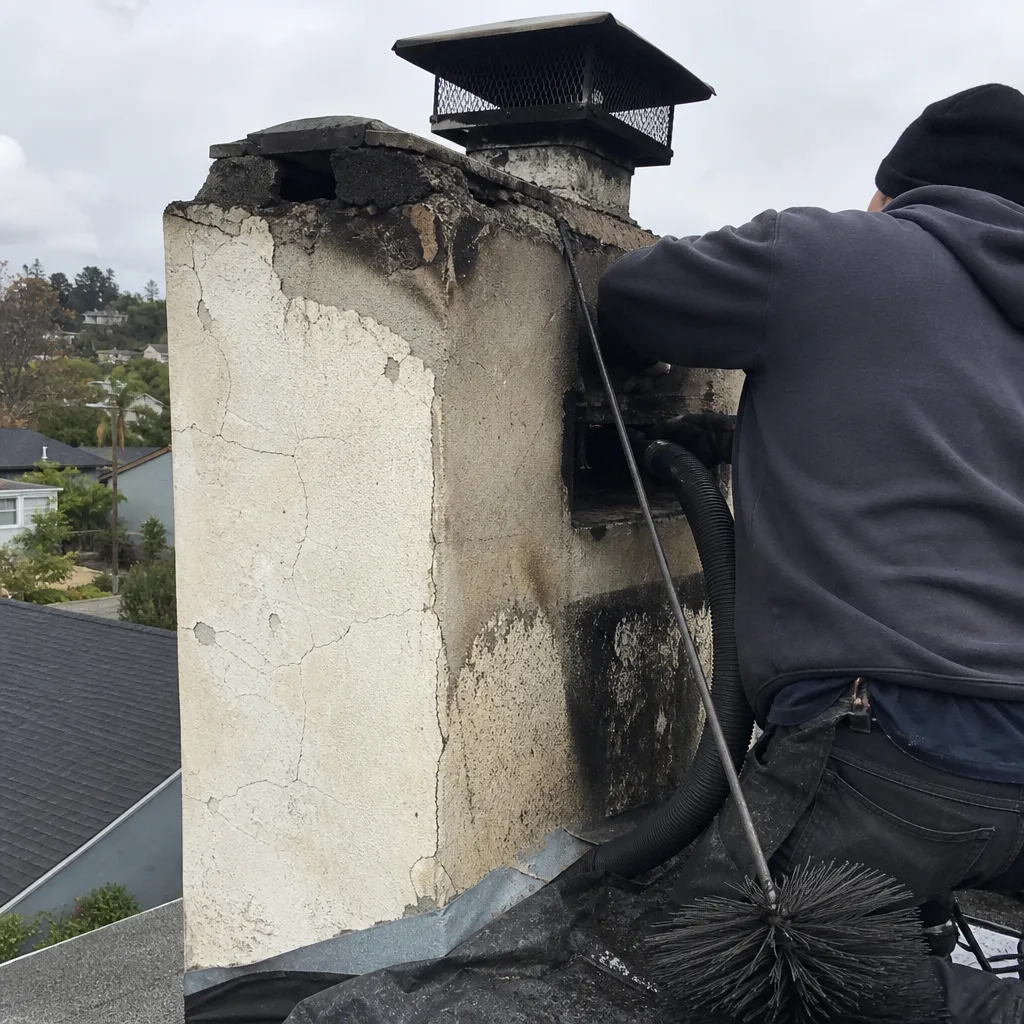 Before
 After
 Before
 After
When to Call a Professional
The line between fix-it-yourself and call-a-pro is not about skill level or tool ownership. It’s about what is visible from the positions you can safely reach. If the smoke rollback persists after verifying the damper is open, preheating, and opening a window, the problem is above the firebox and requires tools and access you likely don’t have. If you see water stains on the ceiling near the chimney after rain, that’s a flashing or crown failure and the clock is ticking on structural damage. If you smell gas near the firebox, call your utility provider first, then call us after the utility clears the line. If you hear animals in the flue, don’t attempt removal yourself. And if it has been more than two years since the chimney was last inspected, you’re operating on assumptions, not information. Chimney Sweep Baldwin Hills offers free estimates in Baldwin Hills – call (877) 752-4855 and we’ll put a camera in the flue, show you what we’re seeing, and recommend only what the evidence supports. Nothing gets recommended without footage you can watch yourself. We use professional-grade materials from Gelco, Olympia Chimney, Famco, and Copperfield when repairs are needed, and we’ll tell you plainly when they’re not needed.
Frequently Asked Questions
A standard chimney sweep in Baldwin Hills typically ranges from $180 to $340, depending on the flue length, the creosote stage, and whether the chimney has been regularly maintained. A sweep plus camera inspection runs higher because the camera work adds diagnostic value beyond the cleaning. If significant creosote removal is needed or if the flue requires rotary tooling for Stage 3 glaze, the work is more involved. For an exact quote, call (877) 752-4855.
Not always. A camera inspection tells you definitively. A clay tile liner with minor spalling and hairline cracks in a structurally sound chimney can often be resurfaced with HeatShield ceramic rather than fully replaced, and that’s a meaningfully less invasive repair. A liner with collapsed tiles, multiple gaping separations, or damage that compromises the flue’s structural integrity requires a stainless steel reline, typically DuraFlex. What you should not do is accept a liner recommendation without camera evidence you can see for yourself. Call (877) 752-4855 to schedule an inspection.
The National Fire Protection Association standard, which is the guideline we use, is that a chimney should be inspected at least once per year and swept when creosote buildup reaches 1/8 inch of accumulation, regardless of time elapsed. For a home in Baldwin Hills that burns seasoned hardwood seasonally through the wet months, that often translates to a sweep every one to two cords of wood, or every 12 to 18 months.
Creosote accumulates, draft degrades, and your risk profile changes. The first noticeable effect is usually the chimney becoming more temperamental: more smoke rollback, slower ignition, the smell in the summer. The second effect is that a chimney fire becomes a statistical possibility rather than a theoretical one. Creosote ignites at around 451 degrees Fahrenheit, and a flue with Stage 2 or Stage 3 buildup can reach that temperature from a normal fire. A chimney fire is not a controlled event; it is a structural event that damages the liner, cracks the masonry, and extends into the house through any gap in the flue path.
The summer smell is almost always creosote or mildew. Creosote volatilizes in the heat and the smell travels down the flue because hot air rises, but in summer the interior of the house is often cooler than the flue, which creates a reverse draft. That reverse draft carries the creosote smell into the living space. The mildew smell indicates water entry and organic debris somewhere in the flue path. Both are diagnosable with a camera inspection, and both have straightforward fixes that don’t necessarily involve a full sweeping.
It can, if the dryer is actually the cause of the smoke rollback. A dryer moving 200 cubic feet per minute out of the house creates a negative pressure condition that can pull fireplace smoke backward into the room. If your smoke rollback happens only when the dryer runs, the chimney isn’t the primary problem. The air balance in the house is. Cleaning the dryer vent will improve dryer performance and reduce fire risk, but it won’t fix negative air pressure. The house needs a make-up air solution. Call (877) 752-4855 and we’ll diagnose the actual cause rather than selling you a service that doesn’t match the symptom.
The Bottom Line
Chimney problems are rarely single-cause, and the most expensive repair is the one that chases the wrong cause. Smoke rollback, water staining, odors, and damper failures each have distinct signatures that point to specific system failures. A camera inspection is the single highest-value diagnostic step in the chimney service because it converts guesswork into visible evidence, and any company that sweeps without one is leaving the most important findings unseen. If you’re in Baldwin Hills with a chimney you suspect is failing in any way, start with the test sequences in this guide and our Choosing the Right Chimney Cleaning Brand: A Buyer’s Guide for Baldwin Hills, then call (877) 752-4855 to schedule a diagnostic inspection. We’ll show you what’s actually in the flue, explain what it means, and recommend only what the evidence calls for. Sweep, repair, and restore – one call covers it.
Written by the team at Chimney Sweep Baldwin Hills, serving Baldwin Hills since 2015. For more guides & resources, visit our blog.