
Last updated November 2, 2026
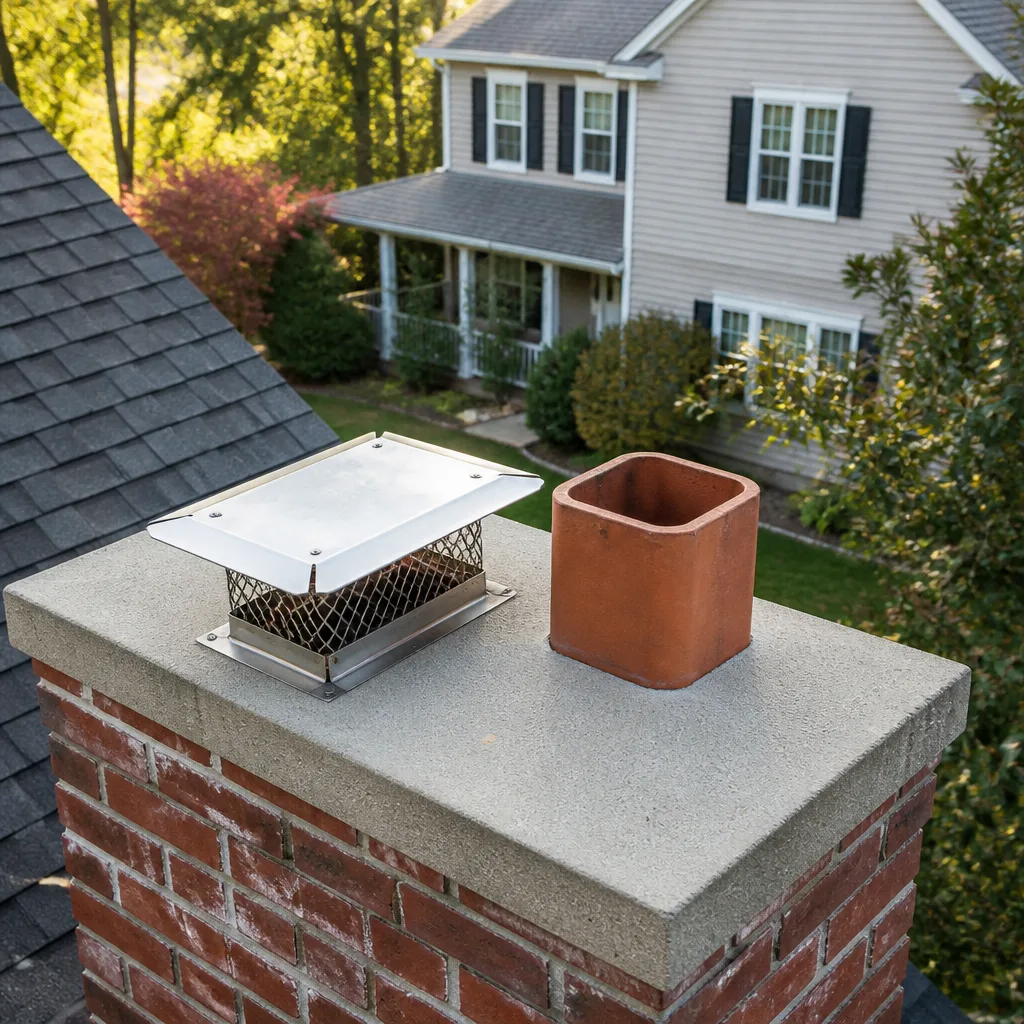 Sweep & inspection
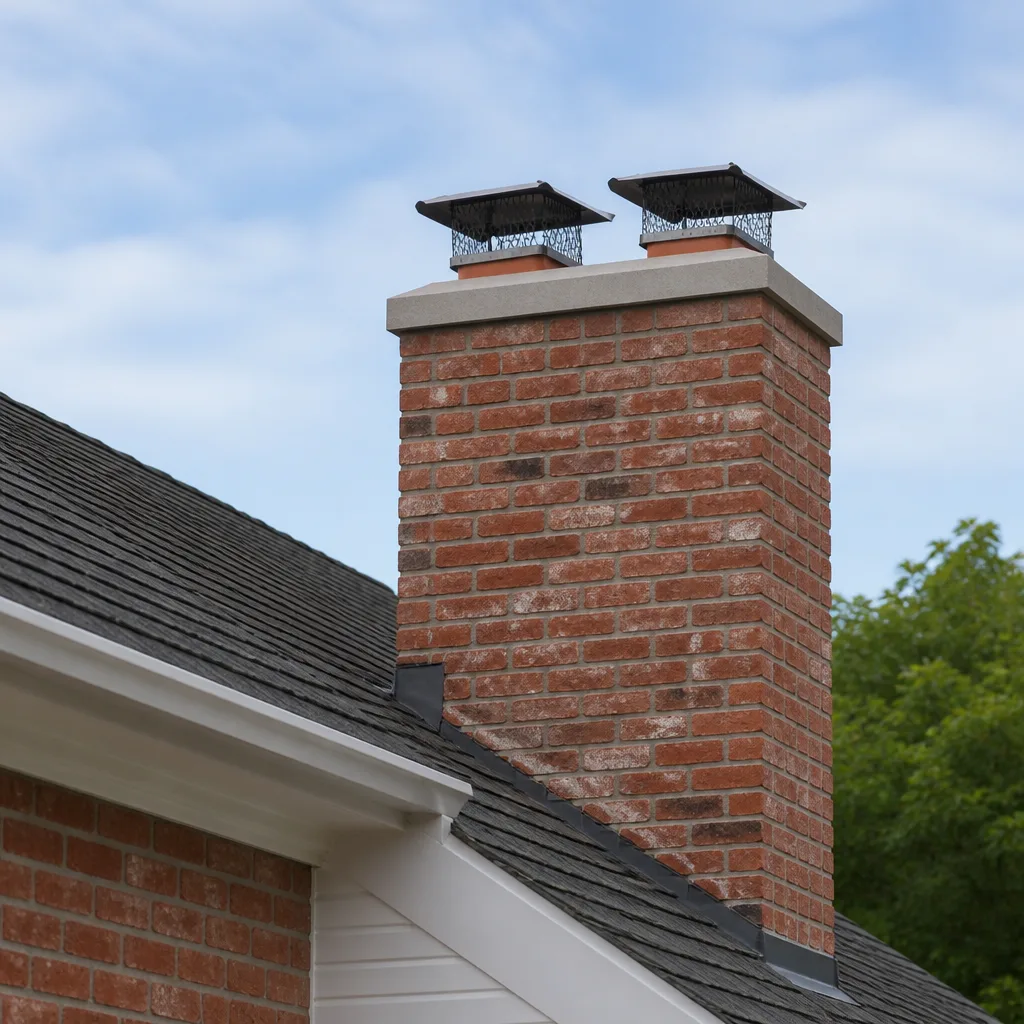 Caps & crowns
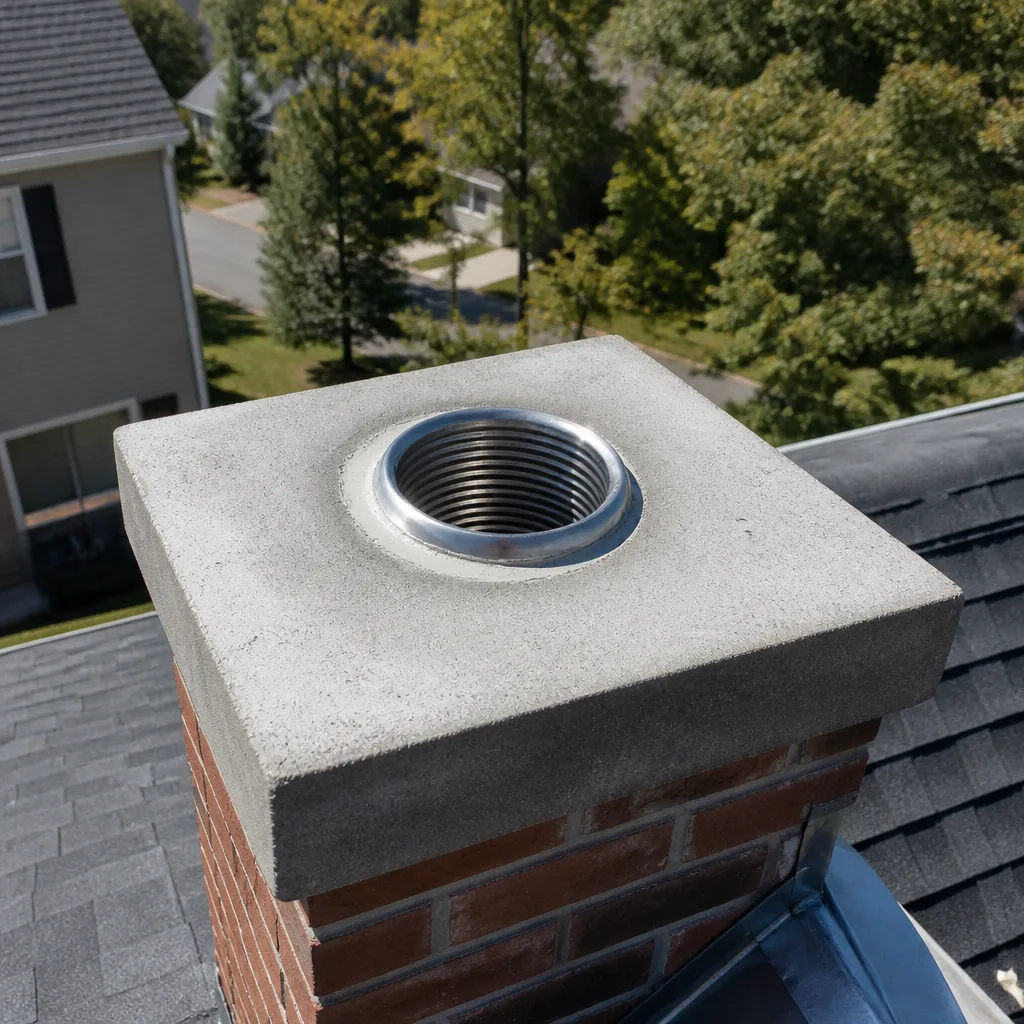 Flue relining
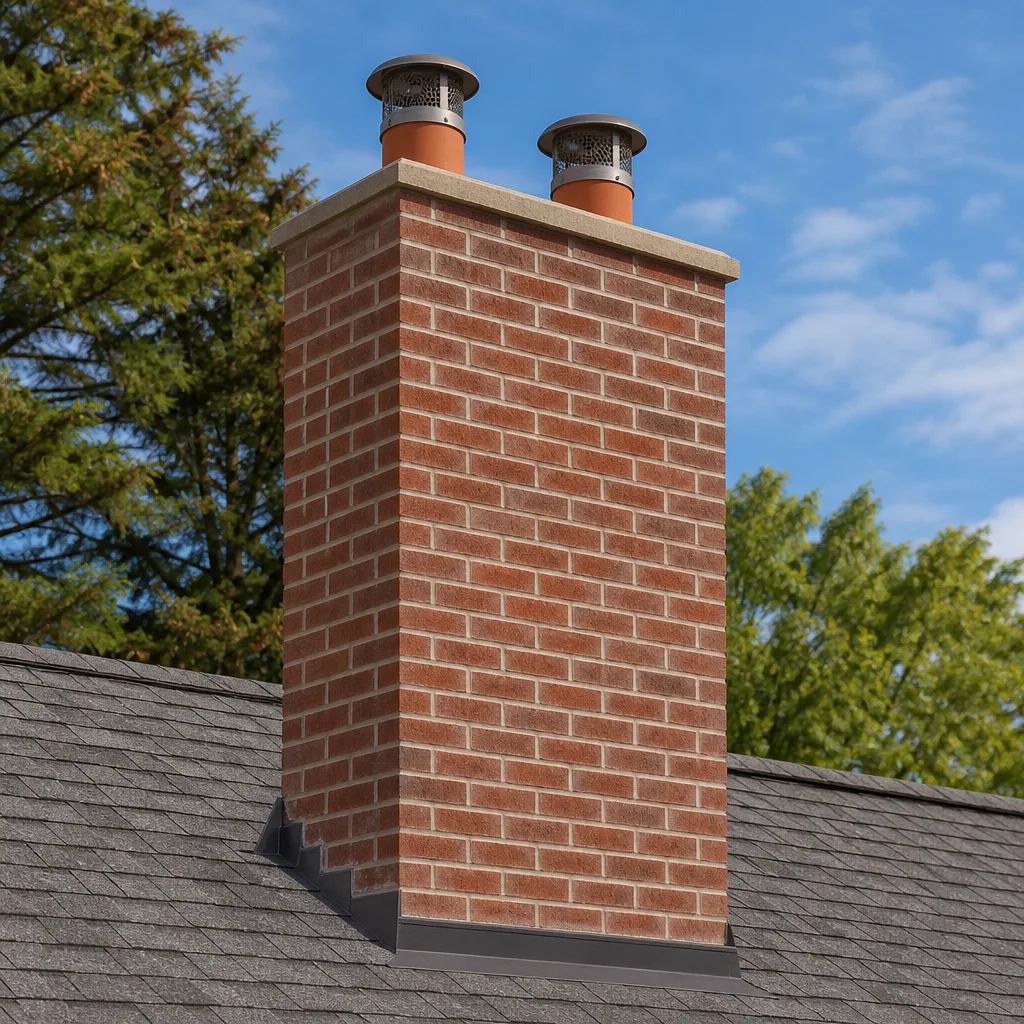 Masonry repair
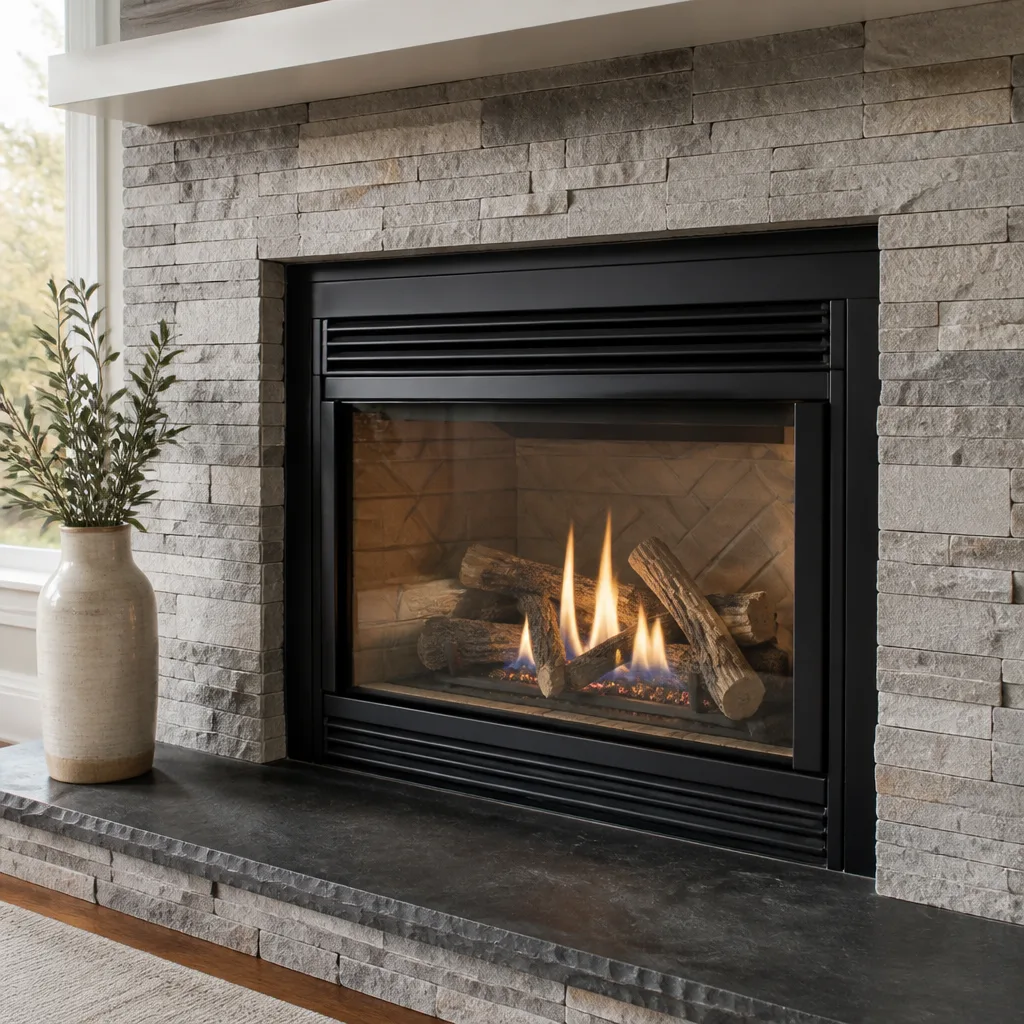 Gas fireplace service
Level 1 sweep and inspection to the NFPA 211 annual standard - flue, crown, cap, and flashing checked and photographed
Chimney sweep logs do not sweep chimneys. They loosen some creosote - which then falls where a brush and vacuum still have to collect it.
Chimney Cleaning Permits, Codes & Inspections in CA: What You Need to Know
Replacing a cracked flue tile without a permit in Los Angeles County isn’t just a code violation. It can void your homeowner’s insurance coverage for any fire that originates in the flue, even years after the work was done. Most Baldwin Hills homeowners assume chimney cleaning never requires a permit, and for a basic sweep they’re right. But the moment any repair, relining, or cap replacement enters the picture, California’s Title 24 energy code and local LADBS jurisdiction rules can require documentation that an unlicensed sweep can’t legally provide. This guide draws the exact line between permit-exempt maintenance and permit-required work, so you know what to ask before anyone climbs onto your roof. For Chimney Cleaning Warning Signs: A Baldwin Hills Homeowner’s Reference Guide, see our companion post.
Styles & brands we work with
- Sweep & inspection
- Caps & crowns
- Flue relining
- Masonry repair
- Gas fireplace service
Quick Answer
A basic chimney sweep in California requires no permit, but most repairs do, and Los Angeles County enforces this through LADBS. The dividing line is simple: cleaning and inspection are exempt. Any replacement of flue tiles, relining, damper installation, or structural repair triggers a mechanical permit, and the contractor performing it must hold a valid C-61 Limited Specialty License. If you’re only getting a sweep and a Level 2 inspection report, no paperwork is needed from the city. If a sweep recommends repair work, that’s where the permit conversation begins.
Table of Contents
- What Chimney Work Is Permit-Exempt in California
- What Chimney Work Requires a Permit in Los Angeles County
- California Health & Safety Code Sections That Govern Chimney Work
- How Title 24 Affects Damper Replacement and Energy Compliance
- What a Level 2 Inspection Report Provides Legally
- How to Verify a C-61 License on the CSLB Website
- LADBS Jurisdiction for Baldwin Hills Chimney Work
- Common Mistakes to Avoid
- When to Call a Professional
- Frequently Asked Questions
- The Bottom Line
What Chimney Work Is Permit-Exempt in California
California building code treats routine maintenance as outside the permit process, and that’s where a standard chimney sweep falls. Sweeping removes creosote and soot from the flue interior. It doesn’t alter the structure, modify the system, or change how the appliance operates. Los Angeles County and LADBS classify this as ordinary maintenance, which means no mechanical permit, no plan check, and no final inspection are required for a simple sweep.
Inspection-only work is also exempt. A Level 1 or Level 2 chimney inspection involves cameras, visual assessment, and a written report. Nothing is removed, replaced, or modified. Even if the inspection finds serious problems, the inspection itself requires no permit. The permit obligation triggers only when you act on the findings and begin repair work.
Here’s the permit-exempt list for California chimney work:
- Standard chimney sweeping and creosote removal
- Level 1 and Level 2 visual and camera inspections
- Chimney cap cleaning (but not replacement)
- Minor mortar touch-up on the exterior crown that does not involve structural repair
- Replacing a standard fireplace grate or screen
- Installing a spark arrestor that slides onto an existing cap without modification
In our experience serving Baldwin Hills, most homeowners are surprised to learn that even a thorough sweep with a rotary brush and camera verification is entirely permit-exempt. We’ve cleaned chimneys in Ladera Heights, View Park, and the hillside streets above Baldwin Hills that hadn’t been touched in decades, and in each case the cleaning itself required no city paperwork. The problems arose only when the camera found damage that needed repair.
What Chimney Work Requires a Permit in Los Angeles County
The trigger for a mechanical permit in Los Angeles County is any work that alters, replaces, or adds to the chimney system. LADBS enforces this through the California Mechanical Code, which classifies chimney repair differently from chimney maintenance. If a component is being replaced rather than cleaned, you’re almost certainly in permit territory.
Here are the specific repairs that require a permit in Baldwin Hills and throughout LA County:
- Flue tile replacement or crack repair that involves removing and reinstalling liner sections
- Full chimney relining with flexible or rigid systems, including stainless steel liners
- Damper replacement, including switching from a throat damper to a top-mount damper
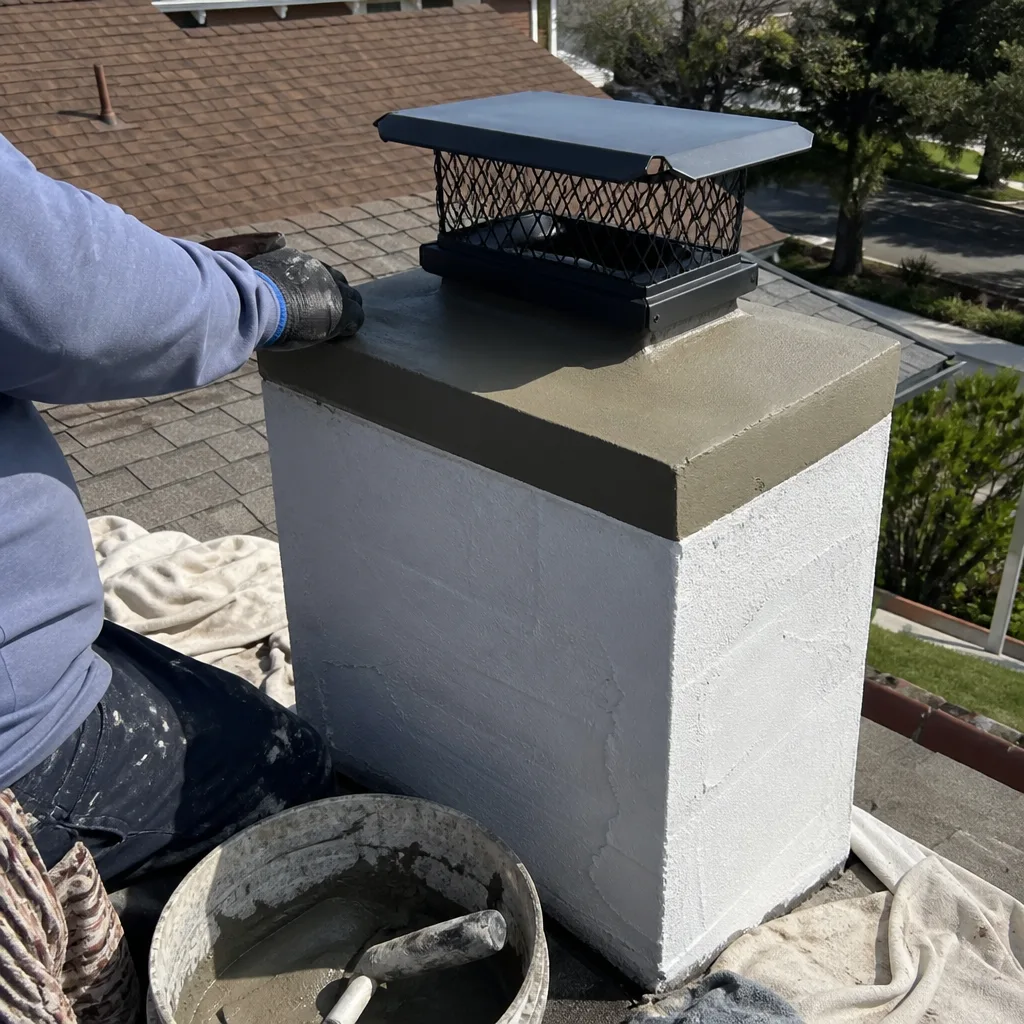
- Chimney cap replacement that requires anchoring or modification to the flue crown
- Firebox repair that involves replacing firebrick beyond surface patching
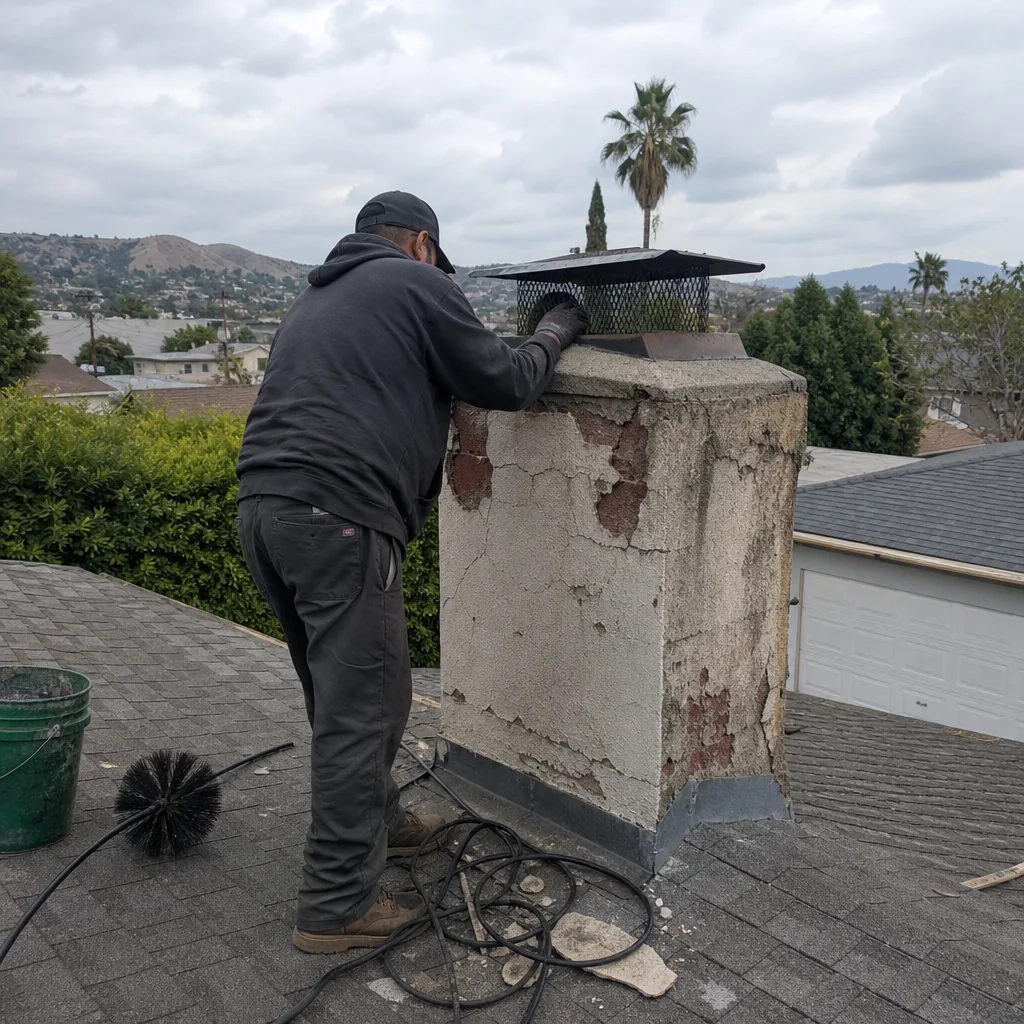
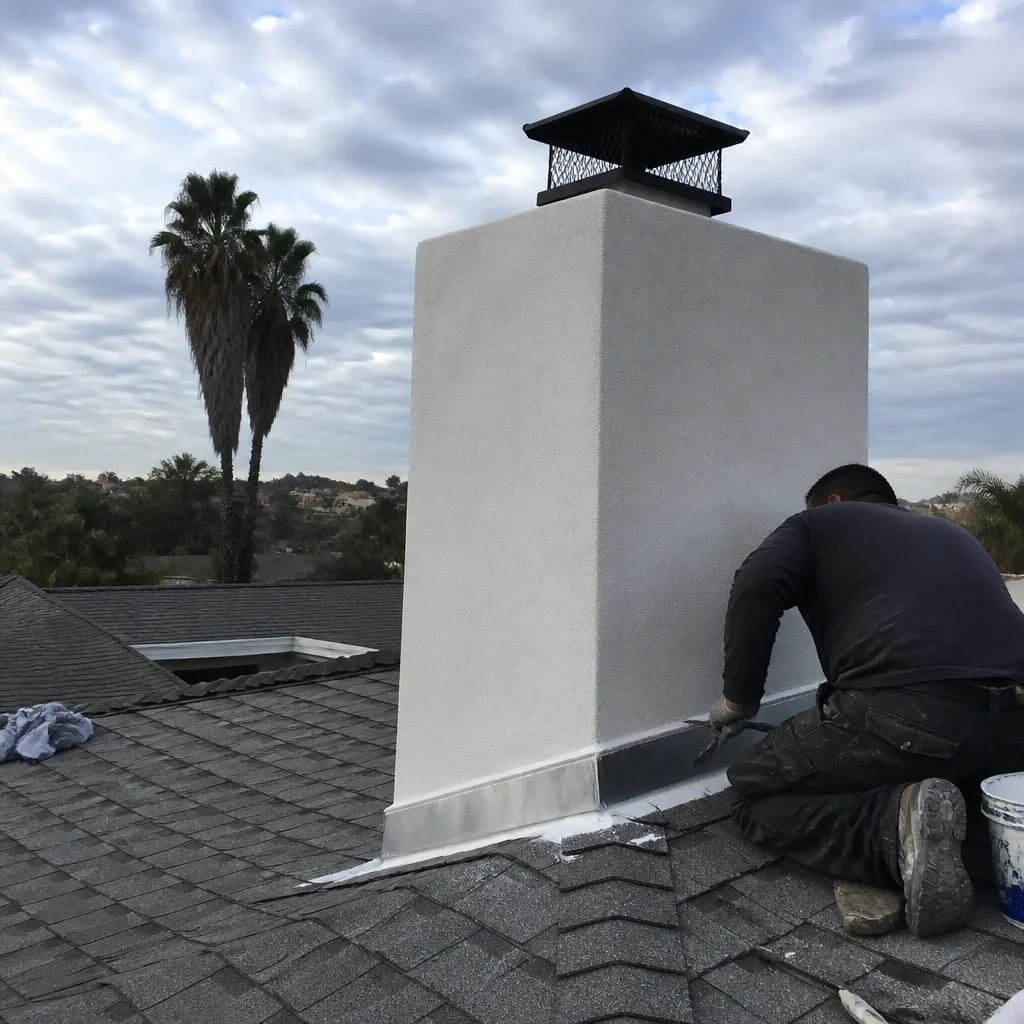
- Crown rebuild or significant mortar repair on the chimney crown
- Any structural repair to the chimney stack itself
The permit question matters for insurance reasons, not just compliance. If a fire originates in a flue that was repaired without a permit, your insurer can deny the claim on the grounds that unpermitted work contributed to the loss. We’ve seen this exact scenario in older Baldwin Hills homes where flue tiles had cracked from decades of thermal cycling. The homeowner paid cash for a patch job, and when a chimney fire occurred two years later, the insurance company walked away. The repair itself may have been fine. The missing permit made it uninsurable.
For a homeowner reading this, the practical takeaway is straightforward. Ask any contractor who recommends repair work whether the repair requires a permit. If they say no, ask them to put that in writing. If they hesitate, that’s your answer. A licensed contractor knows which repairs trigger LADBS review, and they won’t risk their license on unpermitted work.
California Health & Safety Code Sections That Govern Chimney Work
Two sections of the California Health & Safety Code directly apply to solid-fuel-burning appliances and the people who service them. Most homeowners have never heard of either, but both matter when you’re deciding who to hire.
Section 17920.3 defines what makes a building substandard. A chimney that is deteriorated, improperly venting, or structurally compromised falls under this definition. Why this matters: if your home is ever inspected by a county building official, a substandard chimney can trigger a repair order whether or not you were planning to address it. A Level 2 inspection report documenting the condition is your best defense, because it shows you were actively assessing the system rather than ignoring it.
Section 13869 establishes the regulatory framework for contractors who work on solid-fuel-burning appliances. In practice, this section reinforces the requirement that anyone performing repair work hold the appropriate contractor’s license. A sweep who only brushes and vacuums does not need a contractor’s license in California. But the moment they touch a flue tile, install a liner, or replace a damper, they are performing contractor work and must be licensed or they’re operating illegally.
Here’s the practical application for a Baldwin Hills homeowner:
- If your chimney is visibly deteriorated, document it with a professional inspection even if you’re not ready to repair. Section 17920.3 makes waiting a liability.
- If a company offers repair services, verify their license before they start. Section 13869 is the legal backstop.
- If they can’t produce a license number, they cannot legally perform the repair, and any permit application filed on that work will be rejected.
The code sections don’t exist to make life difficult. They exist because improperly repaired chimneys kill people. Carbon monoxide poisoning from cracked flues and chimney fires from failed liners are both preventable. The code is what makes prevention enforceable.
How Title 24 Affects Damper Replacement and Energy Compliance
California’s Title 24 energy efficiency standards rarely come up in chimney conversations, which is exactly why most homeowners miss them. Title 24 governs how buildings use energy, and chimneys are a direct path for conditioned air to escape your home. When you replace a damper, you’re changing the energy envelope of the building, and that triggers Title 24 documentation requirements in Los Angeles County.
The specific issue is this: a worn throat damper leaks. Even when closed, the metal-to-metal seal allows air exchange between your living space and the outdoors. Replacing it with a top-mount damper like the Lyemance or Lock-Top system changes the chimney’s air-sealing performance. Because that’s an energy upgrade, LADBS may require documentation that the new damper meets Title 24 specifications. The contractor performing the work should know which damper models qualify and how to document the installation.
Here’s what this means in practice for a Baldwin Hills homeowner:
- A damper repair that simply cleans and lubricates the existing mechanism is permit-exempt
- A damper replacement with a like-for-like throat damper requires a mechanical permit but minimal Title 24 review
- A damper replacement that switches to a top-mount design involves energy compliance documentation
- A contractor who doesn’t mention Title 24 when discussing damper replacement probably doesn’t understand the full scope
The good news is that a proper top-mount damper is worth the paperwork. In Baldwin Hills, where winter temperatures dip into the 40s and homes without central heat rely on fireplaces for warmth, a leaky damper costs real money. HeatShield and similar ceramic products can resurface a deteriorated flue, but only a functioning damper at the top of the system stops convective heat loss.
What a Level 2 Inspection Report Provides Legally
A Level 2 chimney inspection is the document your insurance company actually wants after a chimney fire, smoke event, or a home sale. It’s more thorough than a Level 1, which is visual-only and appropriate for annual maintenance when nothing has changed. A Level 2 inspection uses camera equipment to examine the entire flue interior, the smoke chamber, and accessible portions of the exterior. It’s the inspection standard defined by the National Fire Protection Association’s NFPA 211, and it’s what a competent Chimney Sweep in Baldwin Hills should recommend before any repair work.
What the report provides, in legal and practical terms:
- Documentation of flue liner condition, including cracks, spalling, and joint separation
- Evidence of creosote accumulation levels broken down by flue section
- Photographic or video documentation of any obstruction, animal nesting, or debris
- A written assessment of clearances to combustibles at key points in the system
- Specific repair recommendations with prioritization
The insurance angle is the one most people miss. If you’ve had a chimney fire, your insurer will likely send an adjuster who doesn’t specialize in chimneys. They’ll ask for documentation of the system’s condition. A Level 2 report from a qualified chimney professional is the document that satisfies them. Without it, you’re negotiating from weakness. With it, you have third-party documentation that specifies exactly what was wrong and what needs repair.
We’ve done Level 2 inspections throughout Baldwin Hills where the camera found flue damage the homeowner had no reason to suspect. In one case, a home near Kenneth Hahn Park had a cracked flue tile hidden behind two decades of creosote. The homeowner had been using the fireplace every winter. The inspection report gave them documentation to file with their insurer before the problem became a fire.
How to Verify a C-61 License on the CSLB Website
The California Contractors State License Board maintains a free, searchable database of every licensed contractor in the state. If someone is going to repair your chimney, verify their license before they start. This takes five minutes and it’s the single most effective screen against unqualified operators.
Here’s the step-by-step process:
- Go to the CSLB website (cslb.ca.gov) and click “Check a License”
- Enter the contractor’s name or license number
- Confirm the license classification is C-61 Limited Specialty, with the specific subclassification for chimney work
- Verify the license is active and not suspended or expired
- Check the bond amount is current, which protects you if the contractor fails to complete work
- Look for any enforcement actions or complaints on record
A C-61 license with the appropriate classification authorizes the holder to repair chimneys without subcontracting. That’s the key distinction. A general contractor can take your chimney repair job and then hire a specialist to do the actual work. A C-61 chimney specialist does the work themselves. When you hire a C-61 holder, you’re hiring the person who will be on your roof, not a middleman.
In Baldwin Hills, this matters because the housing stock includes homes built from the 1940s through the 1970s, and many have chimneys that have never been relined. Those homes need real repair work, not just a sweep. Hiring a C-61 specialist means the person with the license is also the person who knows what a cracked flue liner from 1962 looks like on camera.
LADBS Jurisdiction for Baldwin Hills Chimney Work
Baldwin Hills falls under the Los Angeles Department of Building and Safety, which enforces the California Mechanical Code and issues permits for chimney repair work. Understanding where LADBS jurisdiction begins and ends is essential, because the answer determines whether your job requires a trip to the permit office or just a phone call.
Where LADBS jurisdiction is limited: A routine chimney sweep requires no LADBS involvement. The same applies to inspections, even camera-based Level 2 inspections that identify serious defects. LADBS regulates construction and repair, not maintenance and assessment. You can have your chimney swept and inspected every year without ever filing a single piece of paper with the city.
Where LADBS jurisdiction begins: The moment repair work starts, LADBS is involved. The specific trigger points include any flue liner replacement, relining, damper replacement, crown repair, or firebox reconstruction. The contractor performing the work pulls the mechanical permit, schedules any required inspections, and signs off on the job. A legitimate Chimney Repair in Baldwin Hills company handles this process as part of the project, not as an add-on.
Baldwin Hills presents one specific consideration: hillside construction standards. Some homes in the area sit on slopes that trigger additional LADBS review for any exterior work, including chimneys that extend above the roofline. If your home is on a hillside lot, expect the permit process to include a review of structural stability and seismic anchoring. This isn’t bureaucracy for its own sake. A chimney on a hillside home is subject to more wind load and more seismic stress than one on flat ground, and LADBS knows it.
For homeowners on flat lots in the Baldwin Hills basin, the process is simpler. A mechanical permit for a liner replacement typically clears quickly, inspections are scheduled flexibly, and a qualified contractor handles the paperwork. The permit exists to protect you. It creates a public record that the work was done to code, and that record is what your insurer relies on if anything ever goes wrong.
We also recommend checking your dryer vent system if you’re already having a chimney inspected. Dryer Vent Cleaning in Baldwin Hills is a separate service, but the inspection logic is the same: document the condition, identify fire hazards, and address them before they become emergencies. LADBS doesn’t regulate dryer vents the way it regulates chimneys, but lint fires are the leading cause of residential appliance fires in California, and they’re entirely preventable.
Common Mistakes to Avoid
- Assuming any sweep can legally perform repairs. Cleaning is permit-exempt. Repairing is not. A sweep who offers to patch a flue tile without a C-61 license and a mechanical permit is breaking the law, and your insurance won’t cover the work.
- Replacing a cap without checking damper compatibility. Some replacement caps change the system’s draft characteristics. If you’re also replacing a damper, the two need to be compatible, or you’ll create drafting problems that didn’t exist before.
- Skipping the camera inspection before a home purchase. Baldwin Hills has older homes with older chimneys. A Level 2 inspection during escrow is cheap insurance against discovering a $6,000 relining job after closing.
- Ignoring a cracked flue tile because the fireplace “still works.” Flue tile cracks allow heat and combustion gases to reach combustible framing. The system still functions until it doesn’t, and when it doesn’t, the failure mode is a house fire.
- Using a general handyman for liner work. Liner installation is specialized contractor work. A handyman can’t pull the permit, can’t document the installation to LADBS standards, and can’t provide the CSLB verification your insurer will demand.
- Not documenting maintenance for insurance purposes. If you ever file a claim related to your fireplace or chimney, your insurer will ask for maintenance records. A stack of inspection reports shows you did your part. A clean chimney with no documentation is harder to defend.
- Waiting for a problem before inspecting. Chimney fires don’t announce themselves in advance. By the time you see smoke backing up or hear strange noises, the system has already failed. Annual inspections exist because most problems are invisible until they’re dangerous.
When to Call a Professional
Call a professional when you see spalling brick, when you smell something strange from the fireplace even when it’s not in use, when the damper won’t seal completely, or when you haven’t had the system inspected in over two years. If you’ve recently purchased an older home in Baldwin Hills and the previous owner couldn’t produce maintenance records, schedule a Level 2 inspection before your first fire. If anything has changed about the way your fireplace draws, don’t wait. The Chimney Sweep Baldwin Hills home service area includes the full Baldwin Hills neighborhood and surrounding communities, and our team works with professional-grade products including Copperfield caps, DuraFlex liners, and HeatShield resurfacing systems. Chimney Sweep Baldwin Hills offers free estimates in Baldwin Hills. Call (877) 752-4855 to schedule.
Frequently Asked Questions
A standard chimney sweep in Baldwin Hills typically runs between $180 and $325, depending on flue condition, accessibility, and whether it’s a single-flue or multi-flue system. If the chimney hasn’t been cleaned in years or has heavy creosote accumulation, expect the higher end. A Level 2 inspection with camera documentation adds to the base price. For an exact quote on your chimney, call (877) 752-4855 and we’ll provide a free estimate before any work begins.
No standard chimney sweep requires a permit anywhere in California, including Baldwin Hills. Sweeping is classified as ordinary maintenance under the state building code and LADBS does not regulate it. Permits apply only when repair work begins: liner replacement, damper installation, flue tile repair, or structural work on the chimney itself.
Creosote accumulates in layers, and each layer hardens over time. The hardened creosote, called glazed creosote, is highly flammable and cannot be removed with standard brushes. It requires chemical treatment or rotary cleaning methods. Meanwhile, flue tile cracks expand with each heating cycle, and small cracks become passageways for heat and combustion gases. The failure is rarely sudden in appearance, but when it happens, it’s a chimney fire. Annual inspection catches these issues before they develop. If you’ve skipped several years, call (877) 752-4855 to schedule a camera inspection.
The NFPA standard is to sweep when creosote reaches 1/8 inch of accumulation, which for most Southern California homeowners translates to once per year or once every two years, depending on usage. In Baldwin Hills, where fireplaces are used seasonally rather than daily, every 12 months is a safe interval. If you burn green wood, use the fireplace more than three times per week during winter, or have an older chimney with unlined masonry, sweep more frequently.
No. A handyman without a C-61 Limited Specialty License cannot legally perform any chimney repair that requires a permit, which includes all liner work, damper replacement, and structural repairs. Even if the handyman does competent work, the missing permit means the repair isn’t documented with LADBS, and your insurer can deny any future claim related to the chimney. Verify any contractor’s license on the CSLB website before they start.
HeatShield is a ceramic resurfacing system that restores the interior surface of a deteriorated clay tile liner without removing the existing structure. It’s appropriate when the flue tiles are intact but cracked, spalling, or showing joint separation. A full liner replacement, typically using a stainless steel system like DuraFlex, is required when the existing liner is so deteriorated that it can’t serve as a substrate, or when the chimney is unlined in the first place. The decision requires a camera inspection to see the actual condition. For most Baldwin Hills homes with 1950s-era clay tile liners, one of these two options is the right fix. Call (877) 752-4855 for an assessment.
The Bottom Line
Basic chimney cleaning in California is permit-exempt and unregulated beyond basic consumer protection laws. But the moment repair enters the conversation, you’re in LADBS territory, and the contractor doing the work needs a C-61 license and the ability to pull permits. Title 24 adds damper documentation requirements many homeowners never anticipate. A Level 2 inspection report is the document that protects you with your insurer, whether you’re buying, selling, or filing a claim. For Baldwin Hills homeowners, the practical path is simple: get your chimney inspected annually, keep the reports, and when repair work is needed, hire a licensed specialist who handles the permit process as part of the job. Browse our more guides & resources for additional homeowner support. The distinction between a sweep and a repair isn’t just semantic. It’s the difference between a clean flue and an insurable home.
Written by the team at Chimney Sweep Baldwin Hills, serving Baldwin Hills since 2015.
See the difference
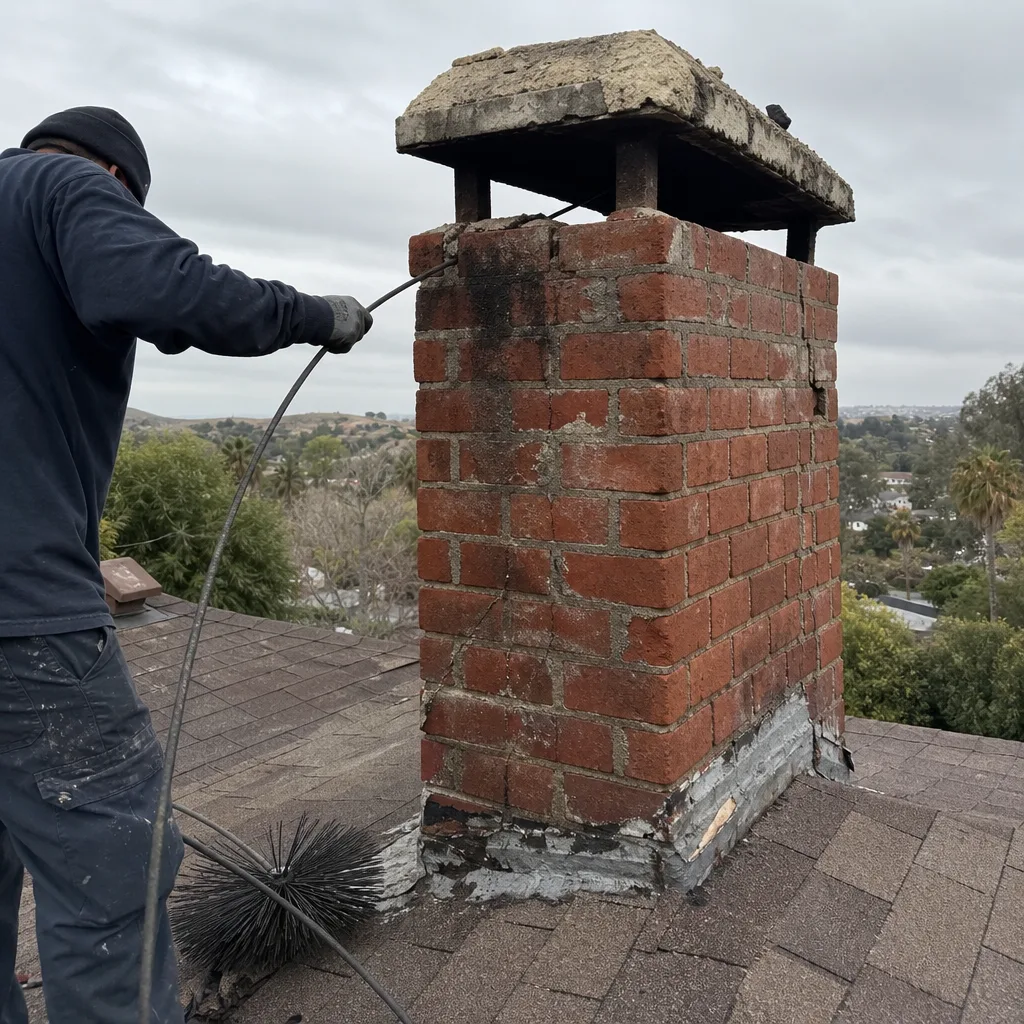 Before
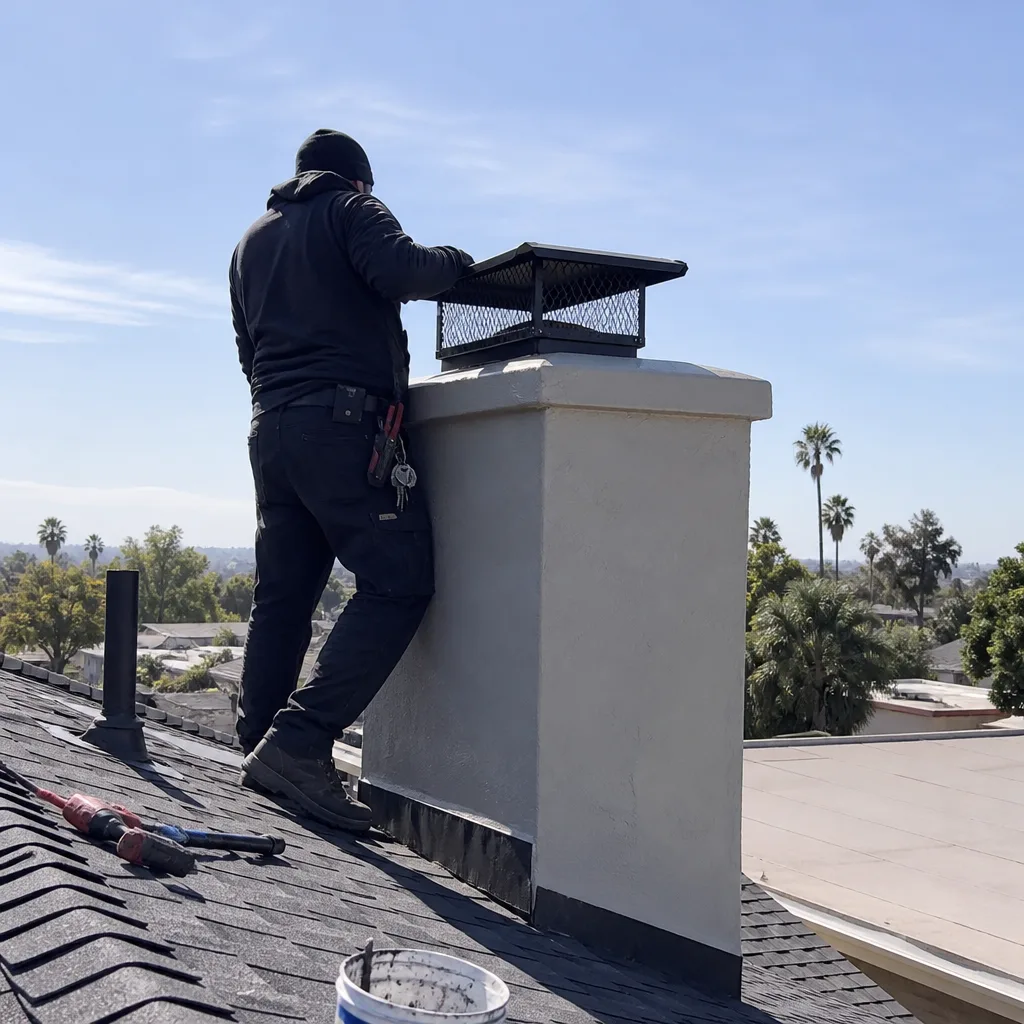 After
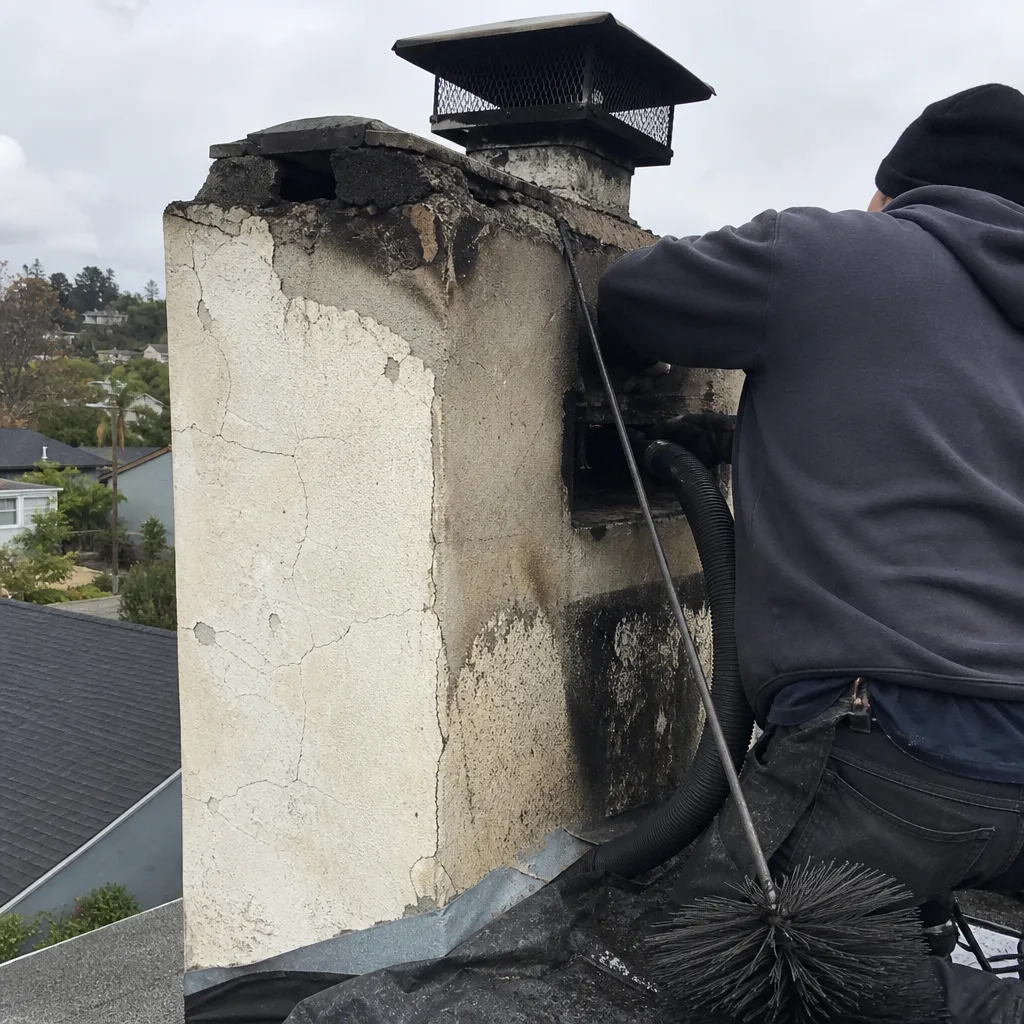 Before
 After
 Before
 After